

Excellent technology
The Baak Go&Relax System Wins the Innovation Award
Ergonomic safety shoes: In 2023, the IGR Institute for Health and Ergonomics awarded the Baak Go&Relax system its Ergonomics Innovation Award.

Foot health starts with ergonomics
This is how the foot is naturally designed to function
The human foot consists of 26 bones, numerous joints, and a complex network of muscles and tendons. Every step begins in the foot and continues through the ankle, knee, and hip, all the way up to the spine. As a result, the foot plays a key role in determining how stress is distributed throughout the body.
The role of the metatarsophalangeal joints is particularly important. They provide the final impulse for movement, because walking follows a clear pattern—from the heel striking the ground, through the midfoot, to the push-off from the toes.
If this chain of movement is restricted, it can affect the body’s overall posture. Especially in everyday work life, where safety shoes are worn for many hours at a time, the quality of movement plays a crucial role in foot health and overall well-being.
Ergonomic safety shoes therefore take a different approach: in addition to providing protection, they also ensure that the foot retains its natural function.
The problem
Traditional safety shoes restrict natural movement
Many conventional safety shoes restrict the foot’s natural movement. Due to the sole design, the heel can roll inward when walking. In response, the lower leg shifts outward—an improper alignment that directly affects the knee joint. This places a particularly heavy and sustained strain on the inner side of the knee.
This strain isn't caused by a single movement, but by thousands of repetitions during the workday—day after day. Over time, this can put stress on the cartilage and contribute to premature joint wear, such as osteoarthritis.
The mobility of the metatarsophalangeal joints is crucial for the foot to roll naturally.
However, many conventional safety shoes prevent the natural flexion of the toe joints. Due to their rigid construction and traditional toe caps, the foot can only bend straight. The natural distribution of movement is lost.
This can lead to improper strain throughout the musculoskeletal system. Joints are no longer guided naturally, individual bones—especially in the area of the smaller toes—are subjected to greater stress, and muscles and tendons increasingly lose their active function. Over time, this can alter the body’s overall posture.
Ergonomic safety shoes should therefore not only provide protection but also support the foot’s natural movement, thereby reducing strain on the feet and joints and strengthening the muscles and back during the workday.
The Solution
Ergonomic safety shoes promote natural movement
The Baak Go&Relax system was developed to allow the foot to roll naturally even when wearing safety shoes. It conforms to the foot’s anatomy and supports its natural movement—without compromising on protection.
Ergonomic safety shoes featuring Go&Relax provide a sense of movement that more closely mimics natural walking. This helps reduce strain along the entire kinetic chain.
Foot health is not viewed in isolation, but as part of a holistic approach.
Patented technology
The technical design of the Baak Go&Relax system
Baak Go&Relax is a fully integrated system that combines several coordinated elements:
• Asymmetrical toe cap
• Flex zones in the forefoot area
• H-link element
• Segmented sole structure
• Flexible sole material (depending on model)
• Balance Zone in the heel area (depending on model)
These components work together to promote natural movement while meeting the legal requirements for safety footwear.
The components of the Baak Go&Relax system
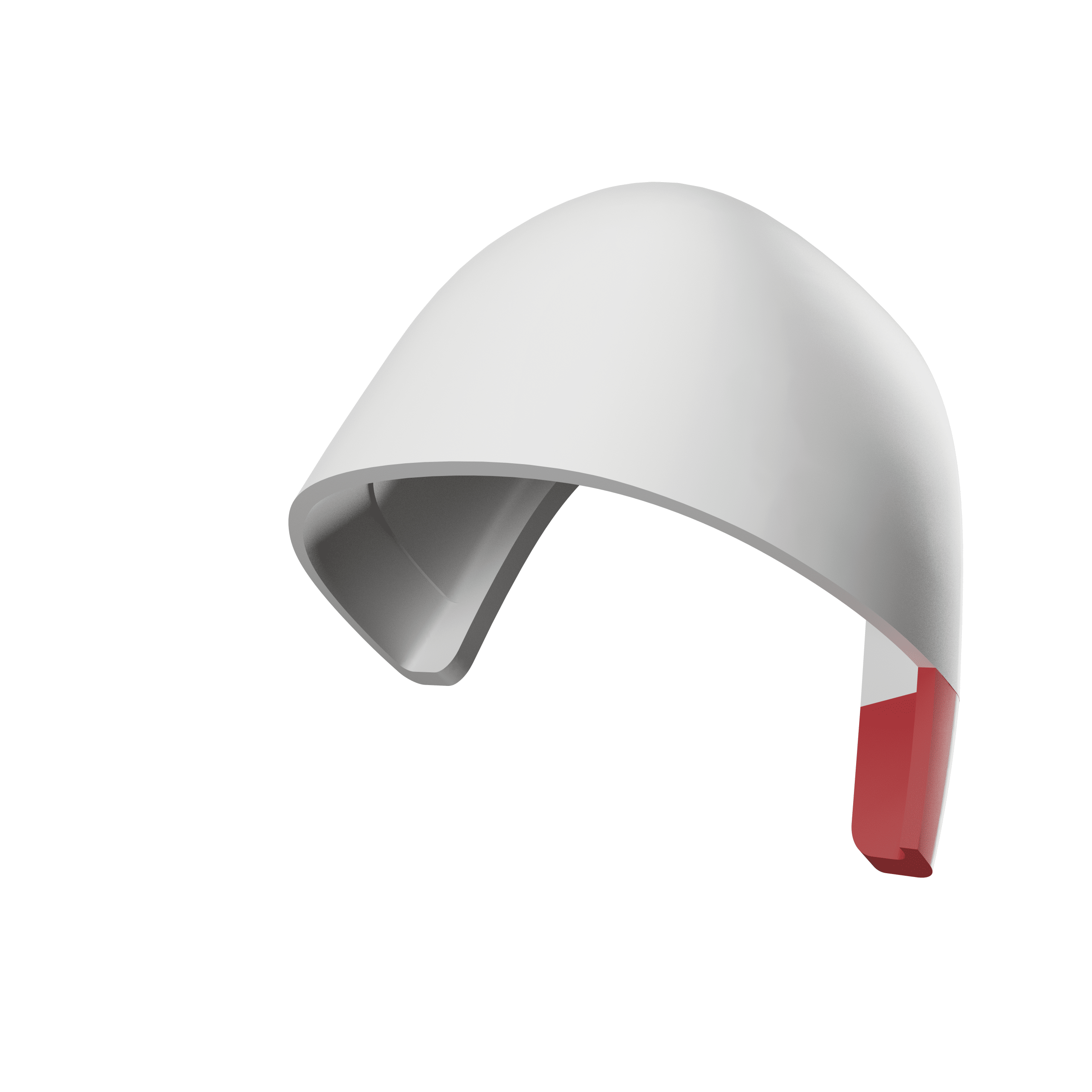
Wing cap
The extended tab on the outside helps support the natural flexion of the metatarsophalangeal joints as the foot rolls forward.
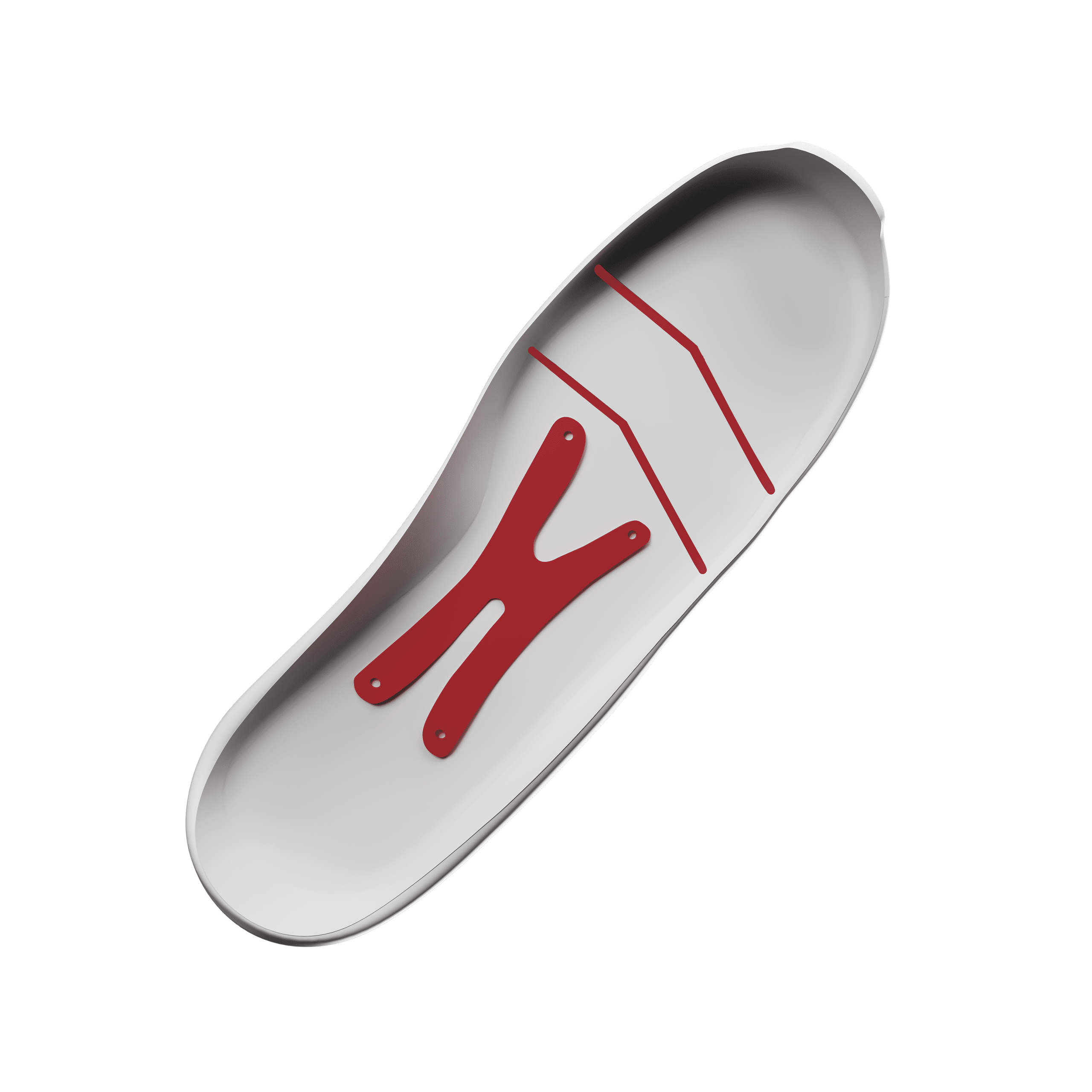
H-joint
The H-coupling element integrated into the outsole connects the forefoot and rearfoot elastically, supports the correct position of the toes and ensures stability plus control.
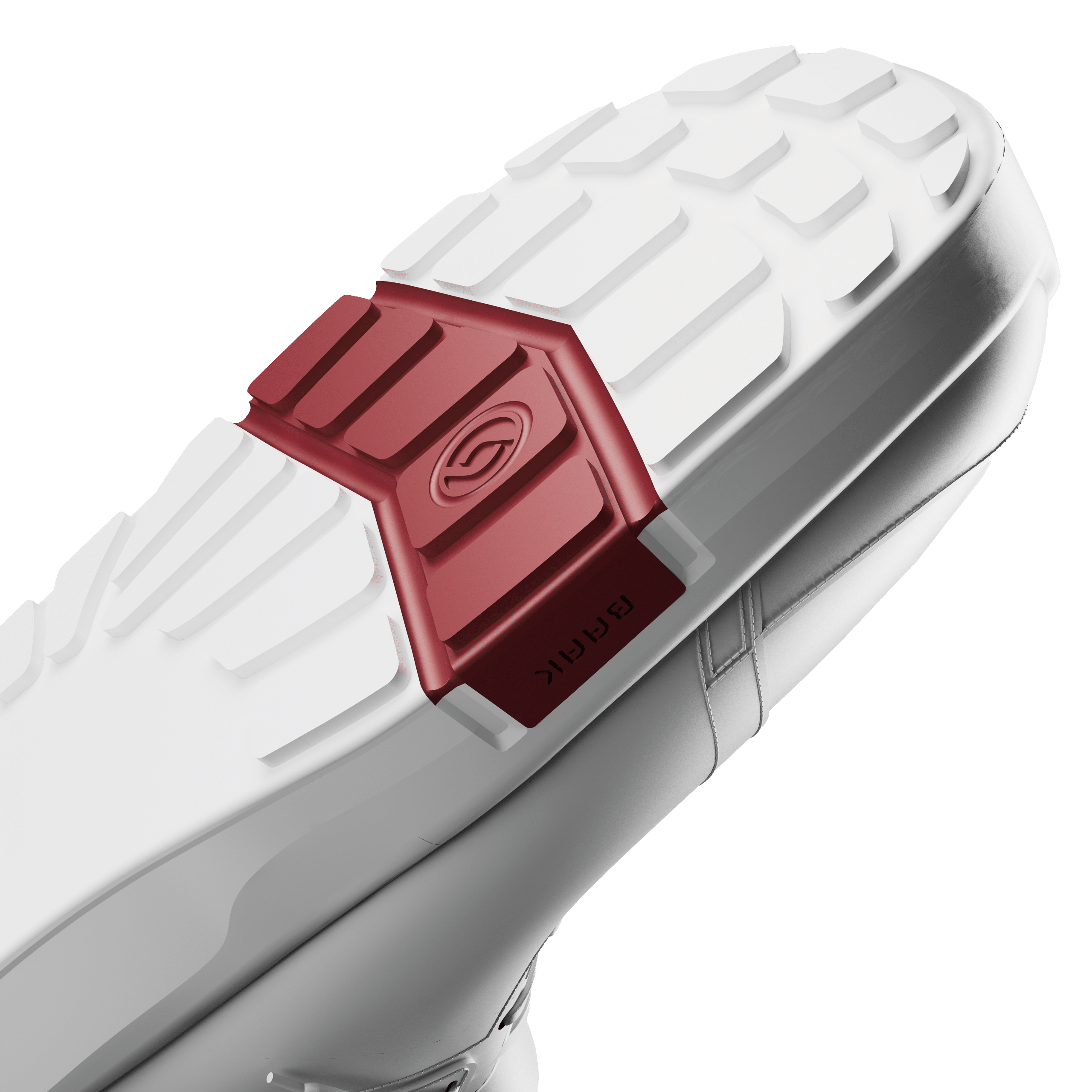
Flexzone
The Flexzone in the forefoot area of the outsole allows the foot to bend naturally, so that the toes are aligned with the natural line of flexion of the metatarsophalangeal joints as the foot rolls forward.
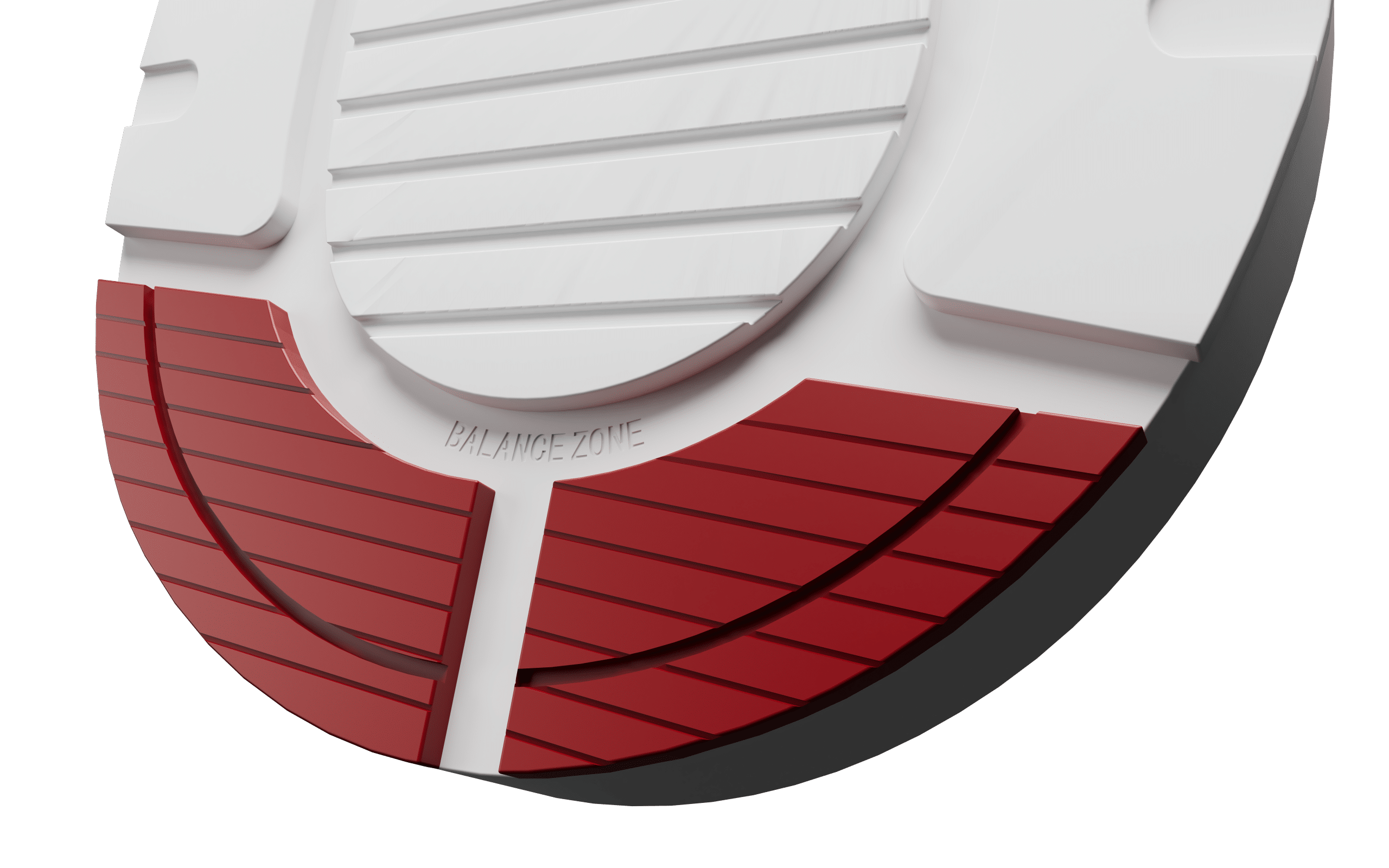
Balance Zone
The asymmetrical heel strike zone on the outer heel ensures a smoother heel strike and roll-off, promoting healthy, balanced walking.
Science & Evidence
Scientifically backed findings on foot health
The development of the Go&Relax system is based on biomechanical studies. These studies show that safety shoes designed with the Baak Go&Relax system have a positive effect on natural movement and help relieve strain on the body.
The biomechanical effectiveness of the Go&Relax system was validated at the Institute of Biomechanics and Orthopedics (IBO) at the German Sport University Cologne under the direction of Prof. Dr. Brüggemann, through experimental studies that demonstrated changes in the kinematics of the metatarsophalangeal joints, the ankle joint, and the knee joint compared to those of a traditional safety shoe.
The study shows that ergonomic safety shoes featuring the patented Baak Go&Relax system:
- can reduce stress on the knees
- can reduce energy loss while walking
- can affect the amount of force exerted by the muscles
These findings underscore the importance of foot health in the workplace and demonstrate that modern safety shoes can make a significant contribution to ergonomics.

Prof. Dr. Gerd-Peter Brüggemann
A world-renowned biomechanist and former director of the Institute for Biomechanics and Orthopedics (IBO) at the German Sport University Cologne.
With his support, Baak developed the Go&Relax system.
Study shows significant reduction in energy losses
Scientific studies conducted by the Institute of Biomechanics and Orthopedics at the German Sport University Cologne confirm that traditional safety shoes result in energy losses of over 25%. Safety shoes tested with the Baak Go&Relax system show significantly lower energy dissipation values—just under 10%—compared to reference shoes without the Baak Go&Relax system.
Natural freedom of movement
The asymmetrical toe cap and flexible zones in the forefoot allow the foot to roll naturally, just as if you were walking barefoot—only with full protection. This can help prevent forced positions and subsequent deformities, such as hallux valgus.
Less muscle fatigue
Baak Go&Relax models require up to 50% less force and lose up to 30% less energy than comparable shoes. Less bending force + less energy loss means: Calves and foot muscles have to work noticeably less over an 8-hour shift.
Gentle on knees and back
The study shows a measurable reduction of up to 25% in knee stress (adduction torque). Combined with reduced pronation*, this stabilizes the leg axis and can help prevent long-term wear and tear in the knee joint and related problems in the hip and lumbar spine.
*Pronation refers to the heel tilting slightly inward when walking. This is natural—however, excessive, unnatural inward tilting can strain the ligaments and joints in the foot and lead to pain over time.
Developed by experts
Improved Foot Health with the Baak Go&Relax System
In collaboration with Prof. Dr. Brüggemann from the Institute of Biomechanics and Orthopedics at the German Sport University Cologne, Baak has developed a system that follows the anatomy of the foot: the Baak Go&Relax System.
Thanks to the Baak Go&Relax system, the safety shoe adapts to the foot without restricting its natural movement.
Click on the video image to access the recording of the A+A presentation on YouTube.
Foot Health for Improved Workplace Safety
A valuable addition to workplace health management
According to the the DGUV are among the most common causes of work disability in Germany.
Especially in jobs that involve long periods of standing and walking, thousands of movements are exerted on the feet, joints, and muscles every day. If natural movement patterns are permanently restricted, this can lead to improper strain that affects the entire musculoskeletal system—from the feet, through the knees and hips, all the way to the back.
However, many traditional safety shoes restrict the foot’s natural movement. Rigid sole constructions and conventional toe caps can prevent the foot from rolling naturally over the metatarsophalangeal joints. The body begins to compensate for these restrictions on a permanent basis. This can result in improper strain on joints, muscles, and tendons, which is exacerbated by thousands of repetitions during the workday.
Musculoskeletal disorders account for approximately 22.6% of all days lost to illness. Among employees over the age of 55, this figure rises to over 35%.
At the same time, this results in production losses of approximately 19.6 billion euros per year. Source: DGUV
The patented Go&Relax system from Baak addresses exactly this issue. The ergonomic footwear concept combines personal protective equipment (PPE) with biomechanical principles and supports the foot’s natural rolling motion even in safety footwear. The system’s coordinated components guide the foot through its natural movement without restricting it.
This helps relieve pressure on the entire musculoskeletal system—from the feet, through the knees and hips, all the way to the back. This makes Baak’s ergonomic safety shoes not only a key factor in enhancing comfort during the workday, but also an essential component of preventive health strategies in the workplace.
Contact Form
Are you interested in ergonomic safety shoes? If so, we look forward to hearing from you.
Frequently Asked Questions
Frequently asked questions
Ergonomic safety shoes go beyond the occupational safety requirements mandated by law. Their design takes into account the physiology and anatomy of the human body. Ergonomic safety shoes support the foot’s natural movement and can thus help keep muscles, tendons, and joints healthy.
The system is based on the natural structure of the human body and foot. The Baak Go&Relax System is a fully integrated system for safety footwear that allows the foot to move naturally within the shoe—without compromising its protective function. However, this is only possible through the interaction of the individual system components. The Baak Go&Relax System is patented and therefore available exclusively in Baak safety shoes.
For all professionals who spend many hours a day working in safety shoes. All Baak safety shoes feature patented technology, including barefoot safety shoes and safety shoes designed specifically for women’s feet.
No. The Baak Go&Relax system is patented by Baak GmbH & Co. KG. This means that only safety shoes manufactured by Baak are equipped with the Go&Relax system.
All of our models are equipped with the Baak Go&Relax system. This patented technology is a standard feature of every Baak safety shoe, including barefoot safety shoes and safety shoes designed specifically for women's feet.