

Specially developed women's lasts
Why ladies' lasts are crucial
Safety shoes are an indispensable part of personal protective equipment in many professions. They protect against injuries, provide stability and ensure sure-footedness. However, one aspect is often underestimated: the fit - especially for women. This is because women's feet are anatomically different to men's feet. It is therefore essential that safety shoes for women are not simply scaled-down men's models, but are based on specially developed women's lasts.
The anatomy of the foot
Anatomical differences between men's and women's feet
Heel shape
The heel is usually narrower in women. Women's safety shoes take this into account with a narrower heel construction that provides support and prevents slipping in the shoe.
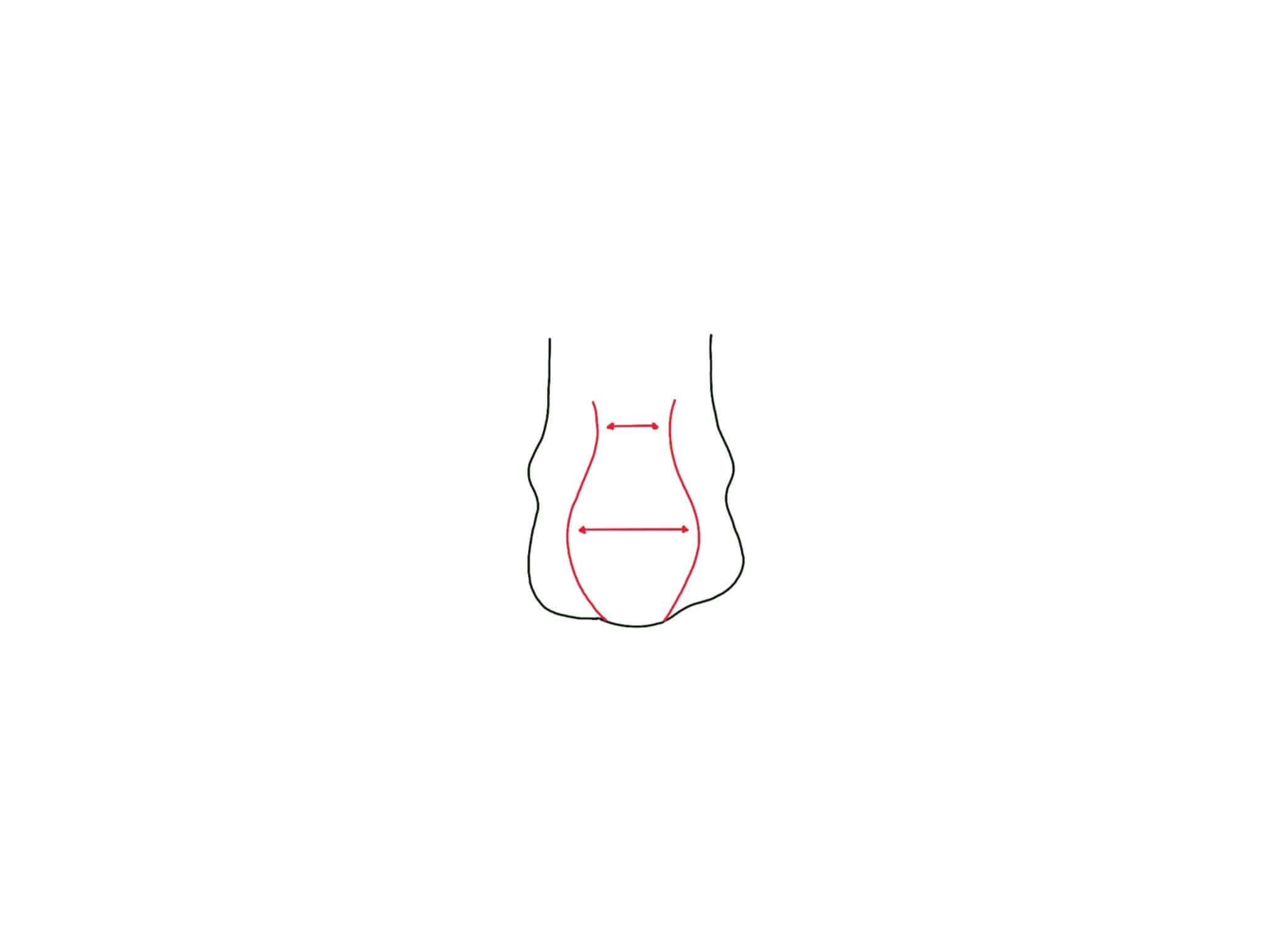
Ball of foot area
Women's forefoot is often wider in relation to the heel. Women's lasts offer more space here to avoid pressure points and support the natural shape of the foot.
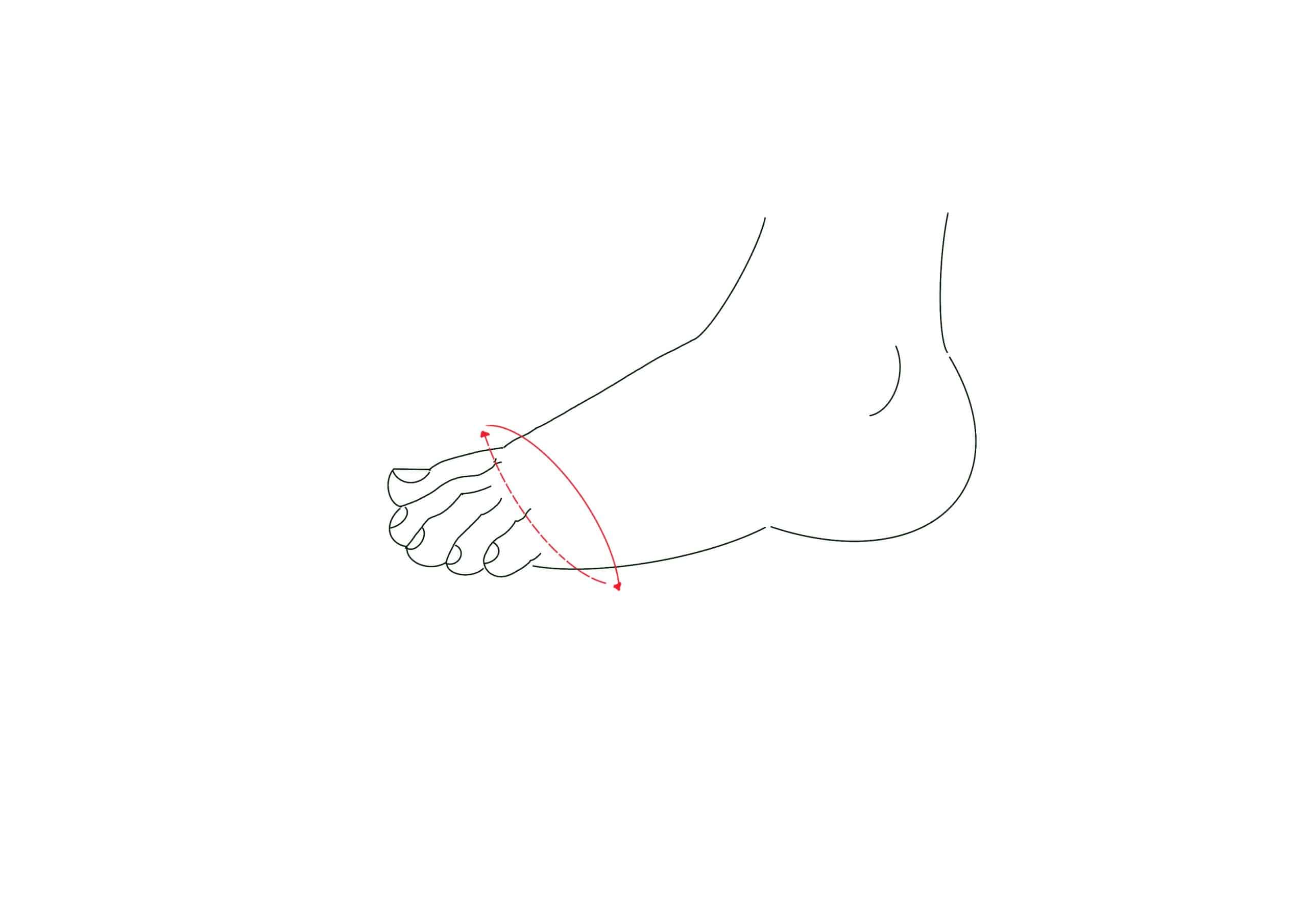
Clamping height
Women's midfoot is usually less arched. Women's models are therefore cut lower in the instep area, which ensures a better fit and less pressure.
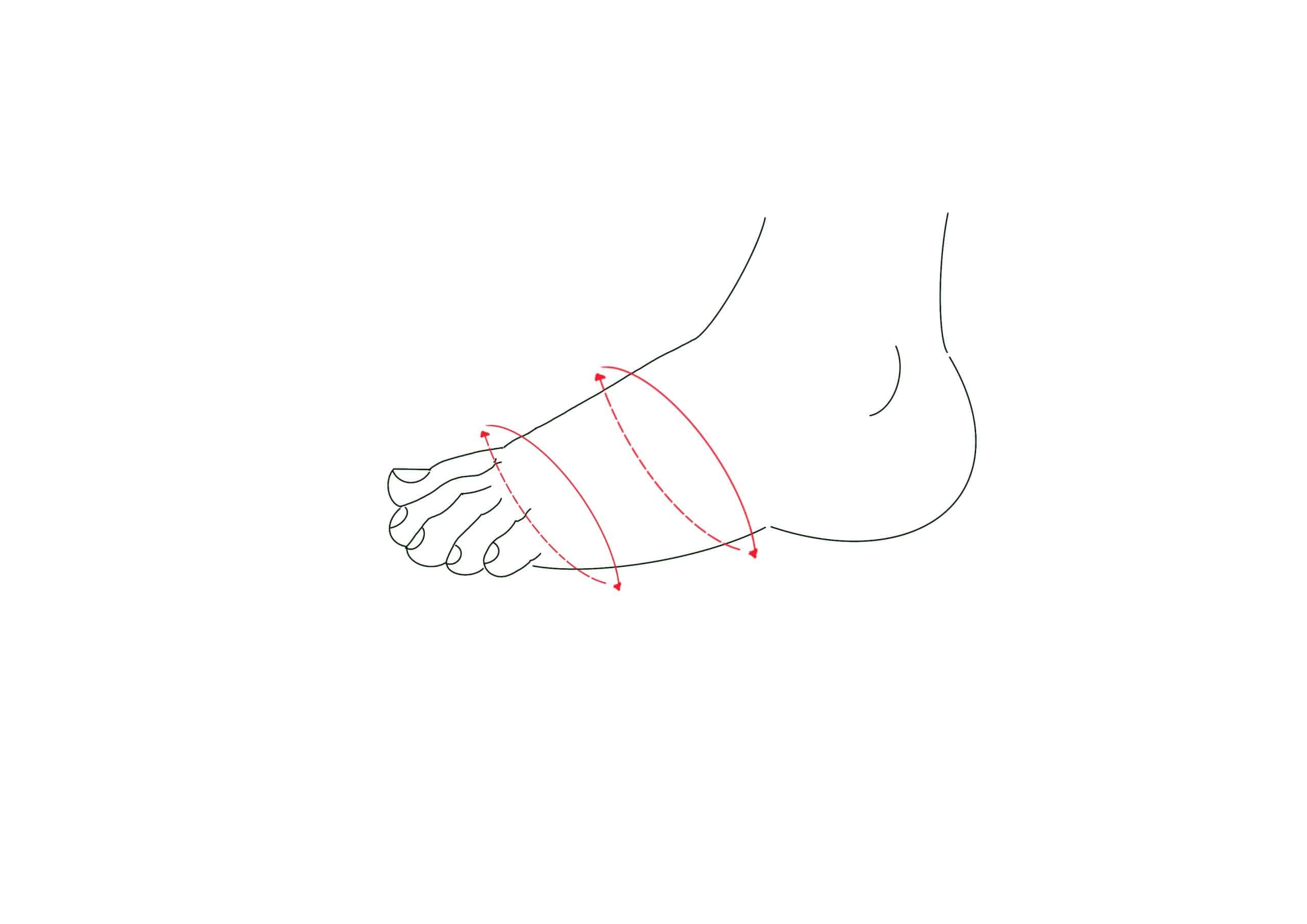
Shaft height
As women's calves are anatomically lower, the shaft height of women's models is often adjusted. This ensures more freedom of movement and prevents unpleasant friction.
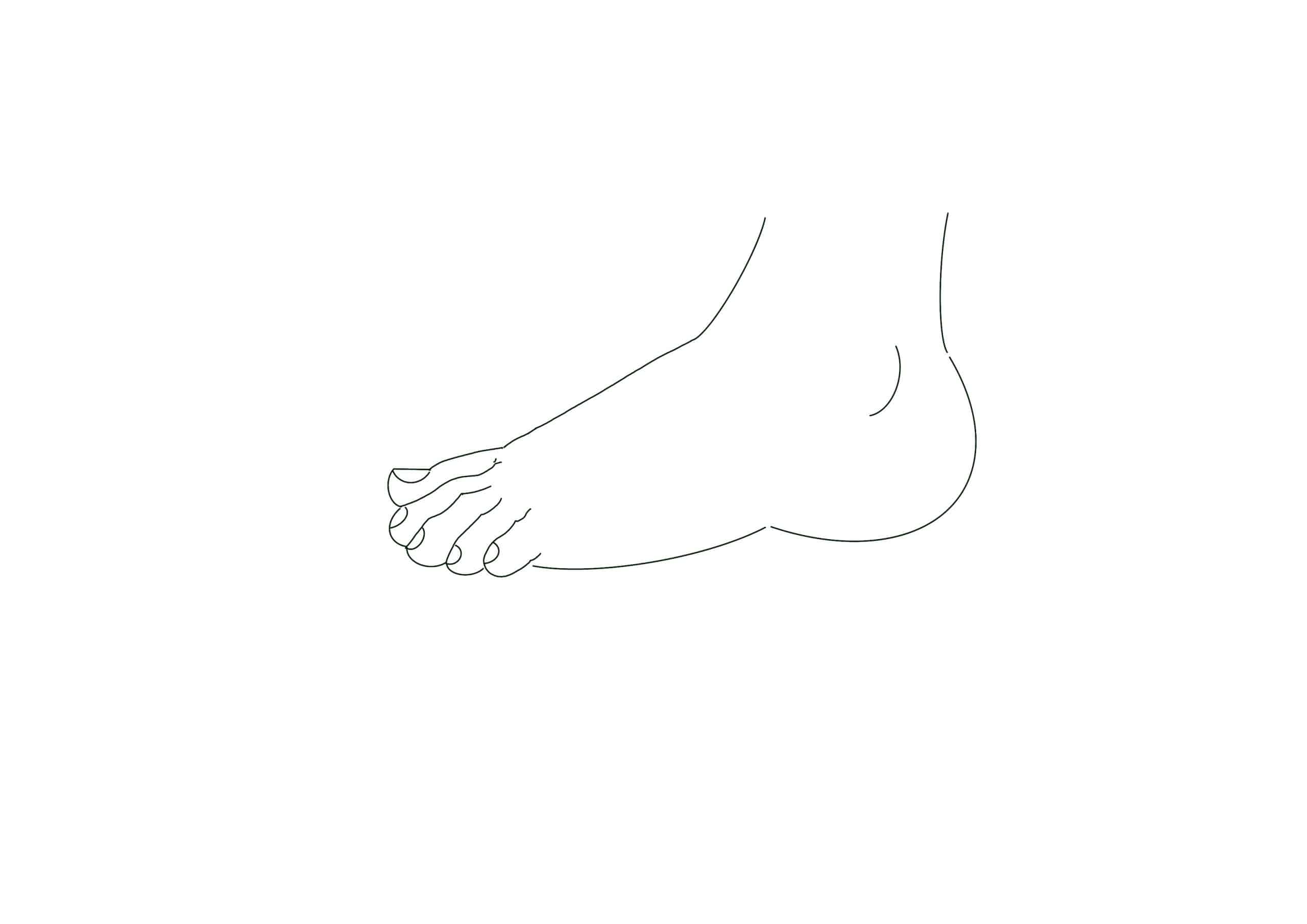
Movement behavior: Women walk differently
Not only the anatomy, but also the mechanics of movement differ between men and women. These differences influence the design of modern safety shoes for women.
1. leg axis & foot position
Due to their wider pelvis, women often have a bowlegged posture. Safety shoes from Baak, which have been specially developed for women, take this into account.
2. flexibility
Women's lasts are often designed to be more flexible in order to accommodate the female movement pattern. This improves roll-off behavior and increases comfort - especially on long working days.
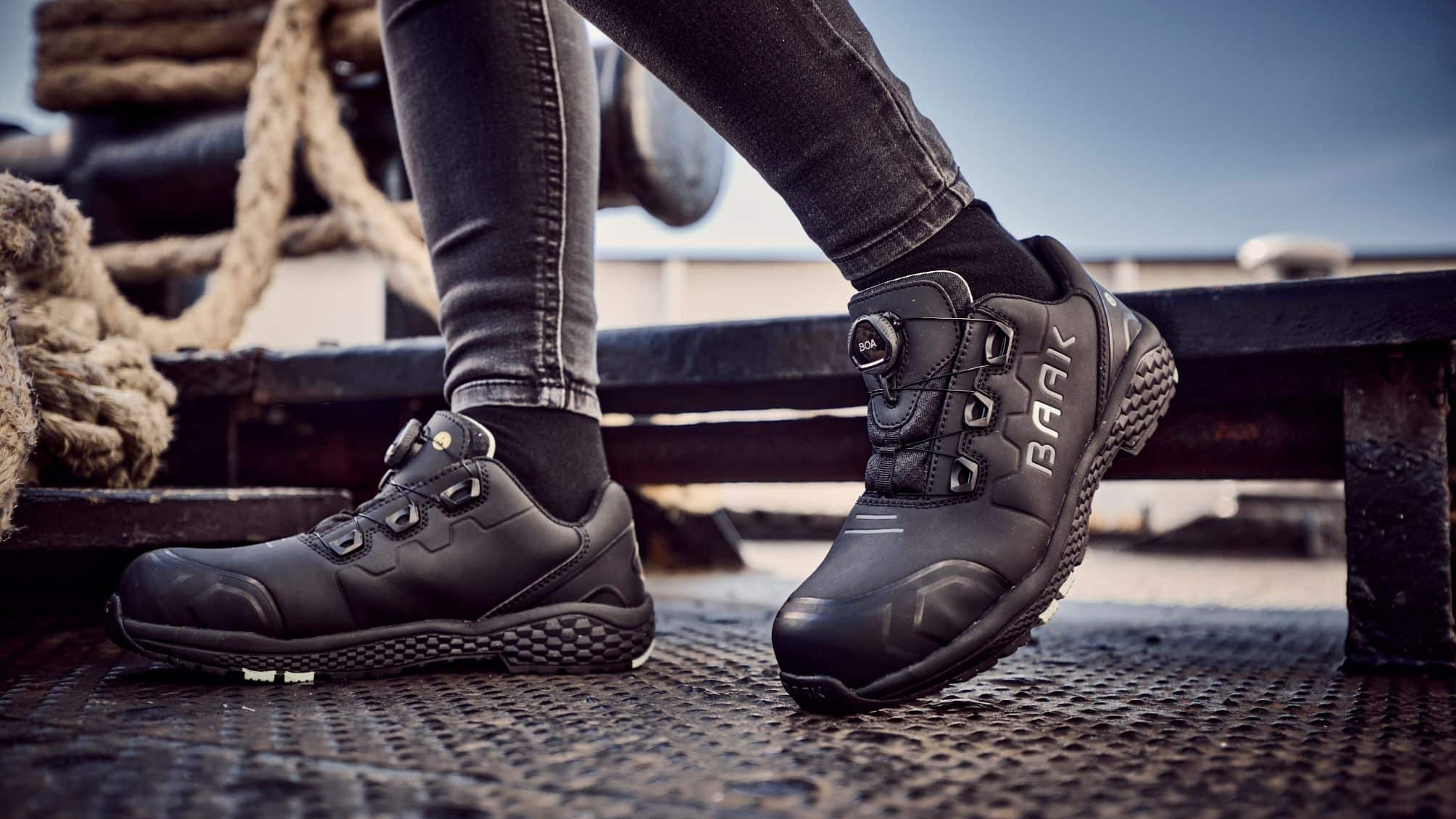
Illustration: Alea ladies' model - available from spring 2026.
The instep area: an often overlooked factor
A particularly sensitive area is the instep - i.e. the upper midfoot. There are clear differences between men's and women's lasts here.
Differences in the instep area:
- Instep height: Women's lasts are usually flatter in the instep area, as women tend to have a lower instep.
- Volume: Men's lasts offer more volume over the instep to accommodate the higher instep of male feet.
- Cut: Women's lasts are narrower and more contoured to better enclose the foot.
- Material flexibility: Women's models often use softer materials or elastic inserts to ensure comfort despite a tighter fit.
An instep area that is too high or too low can:
- Cause pressure points
- Impairing blood circulation
- Negatively influence rolling
Fit for women's feet
Why the right fit is so important
Advantages of a suitable ladies' last:
- Better hold: the shoe sits securely on the foot without slipping.
- Fewer pressure points: The construction adapts to the female foot shape.
- Optimal rolling behavior: Supports natural movement.
- Reduced risk of injury: stability and protection are guaranteed.
Risk of incorrect fit:
- Pressure points and blisters
- Foot pain
- Limited mobility
- Increased risk of accidents
- Lower wearer acceptance
Safety-relevant aspects of the fit
The fit has a direct influence on the safety function of the shoe. A poorly fitting shoe can significantly reduce the protective effect.
1. stability & protective effect
A well-fitting shoe distributes forces optimally. A poorly fitting last - with too much volume in the instep area, for example - can cause the foot to slip in the shoe. This reduces the protective effect of the toe cap and increases the risk of twisting your ankle or tripping.
2. pressure prevention & blood circulation
A last that is too tight can cause pressure points that are not only uncomfortable but also restrict circulation - particularly critical when worn for long periods in hazardous working environments.
3. ergonomics & wearer acceptance
Safety shoes are only worn consistently if they are comfortable. A suitable last increases wearer acceptance - and therefore the actual protective effect.
4. orthopaedic care
Women's lasts are often narrower and flatter in the instep, while men's lasts are more voluminous. If the wrong type of last is chosen, this can make it difficult to integrate orthopaedic insoles or adjustments.

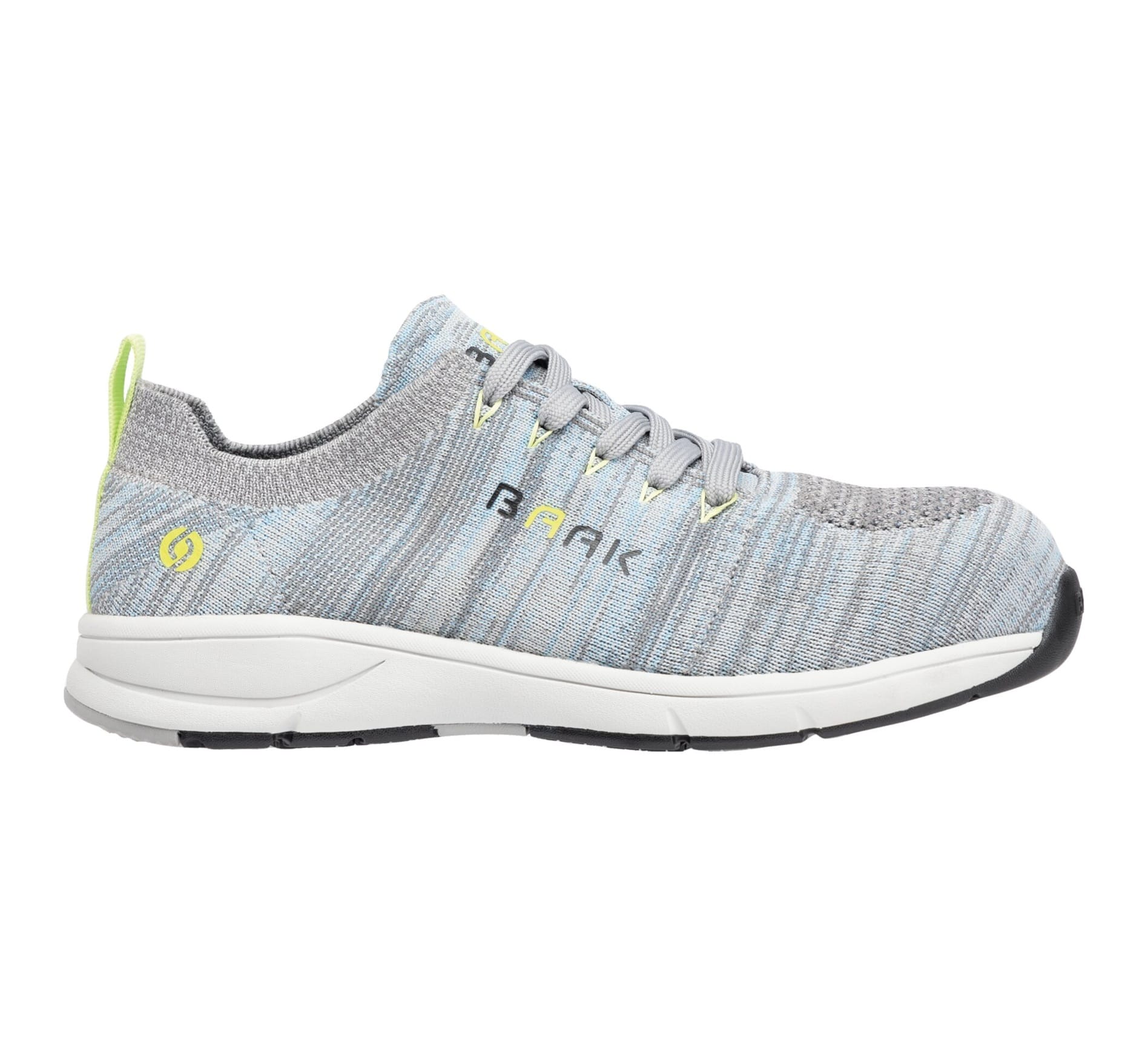
Illustration: Women's model Svea - available from specialist retailers.
Women's safety shoes from BAAK
Models specially made for women's feet
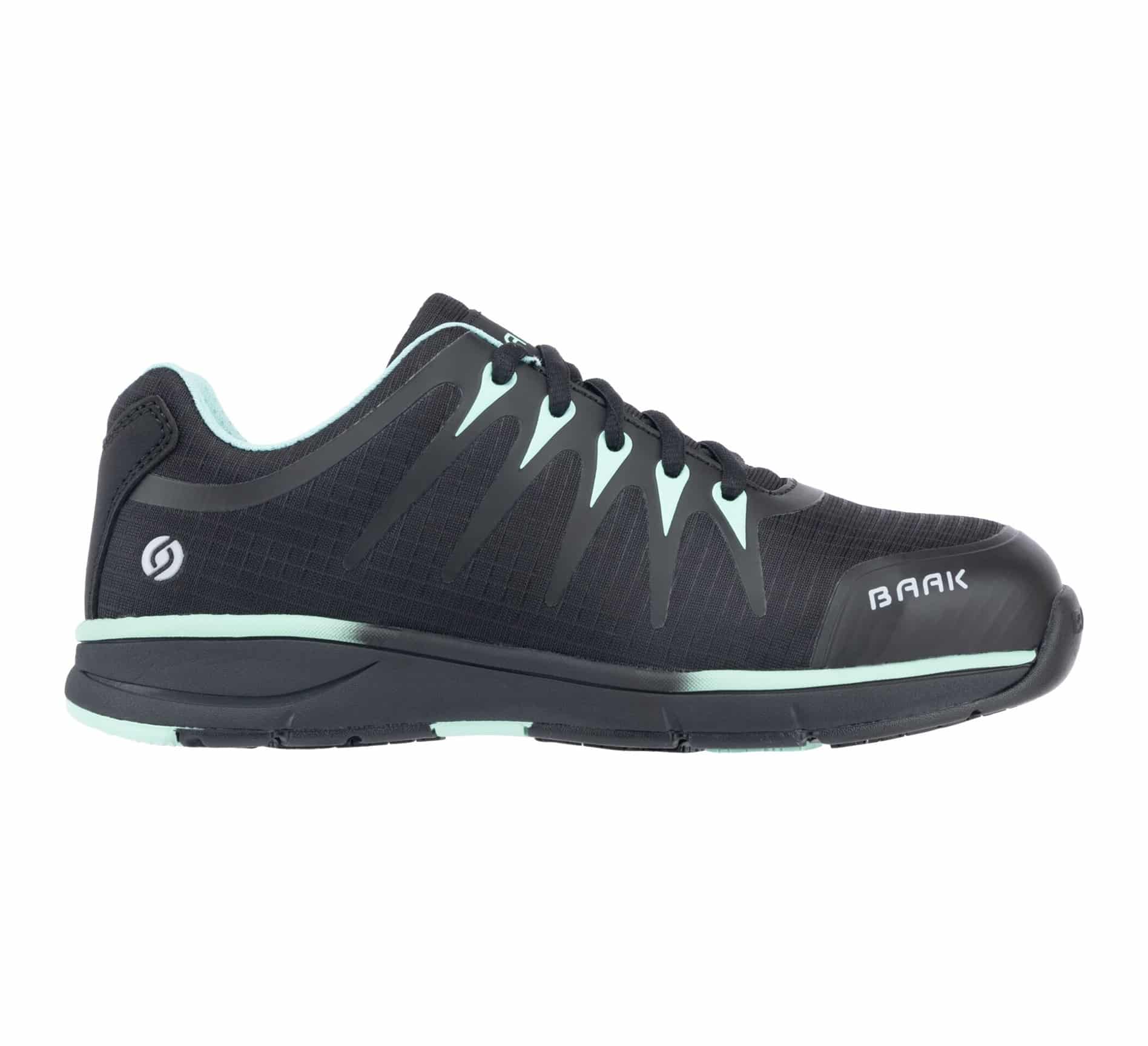
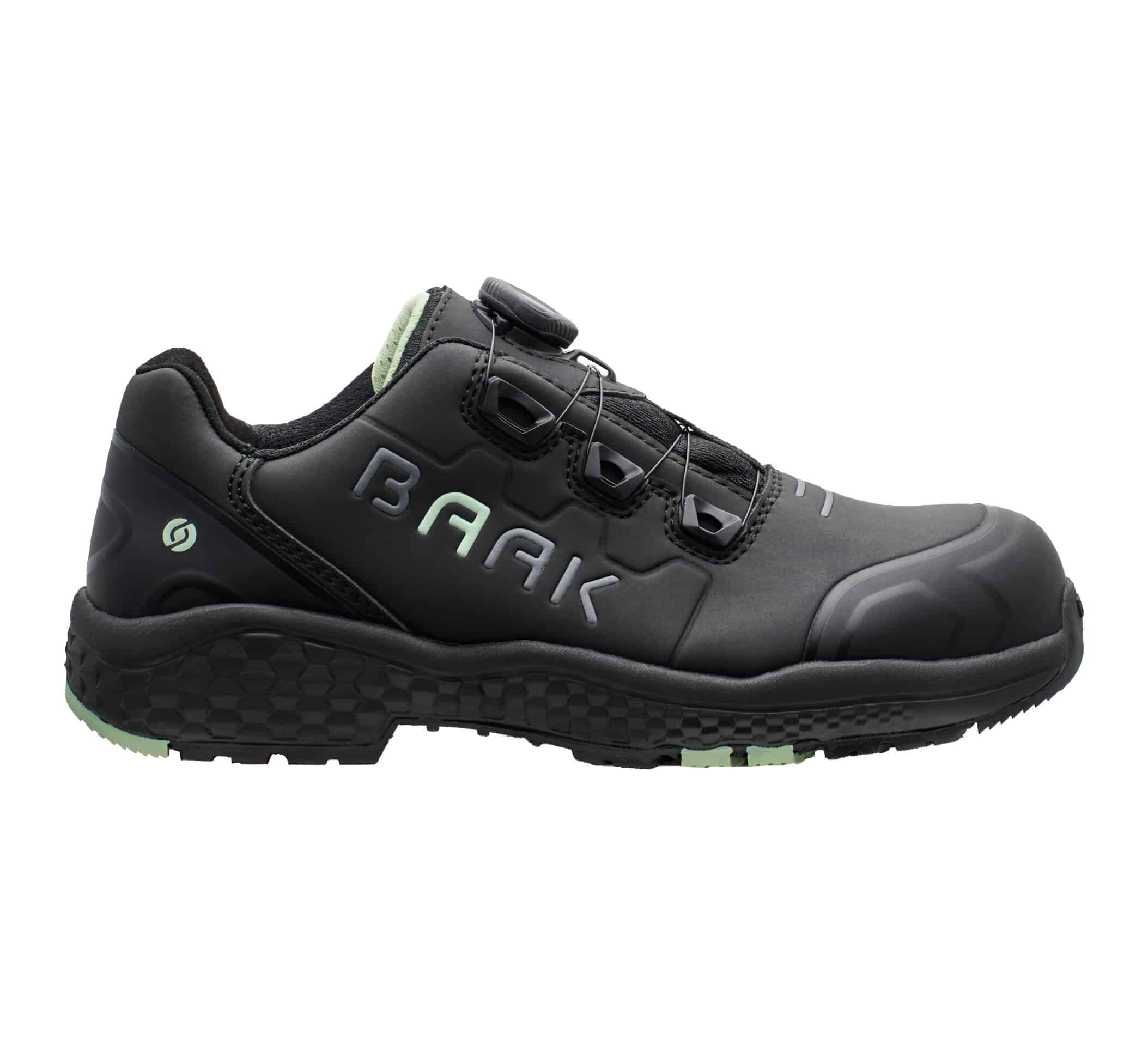
At Baak, we have recognized the importance of fit for women and offer a wide range of safety shoes that are specially made on women's lasts. Models such as Stella and Alessia exemplify this approach and combine protection, comfort and design.
We are continuously developing this segment to meet the requirements of modern workplaces - and to offer women the health and safety they deserve.
Conclusion: safety starts with the fit
Safety shoes for women are more than just smaller versions of men's models. They are specially adapted to the anatomy and movement mechanics of female feet - and therefore offer a significantly better fit, more comfort and greater safety.
Women who choose safety shoes with women's lasts are investing in health, well-being and protection in the workplace. Because only a shoe that really fits can really protect.