
A new project in our social engagement program
Expansion of the Angazi Academy in Kenya
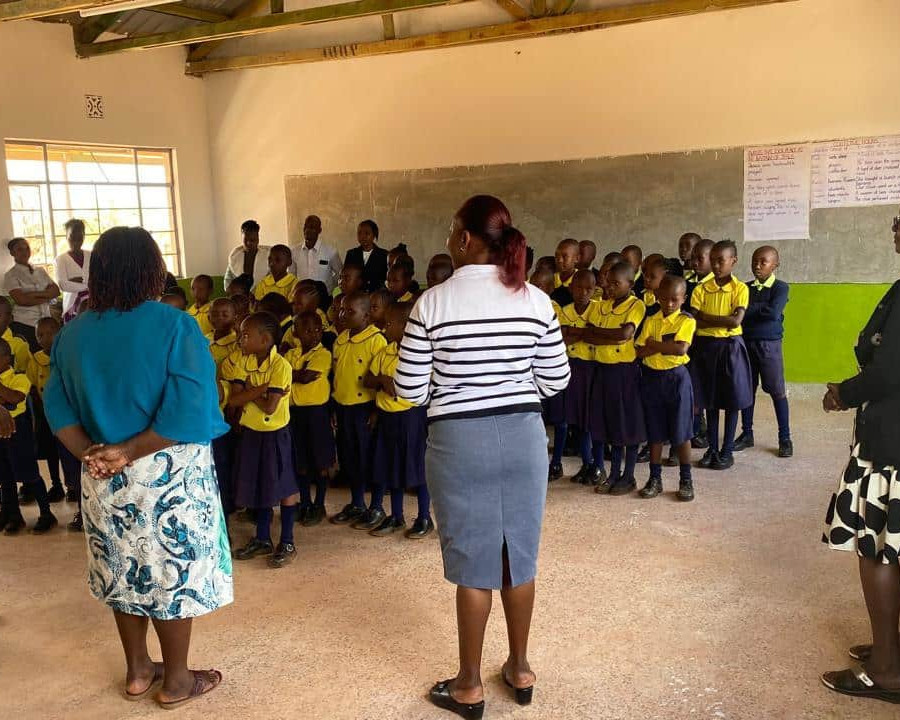
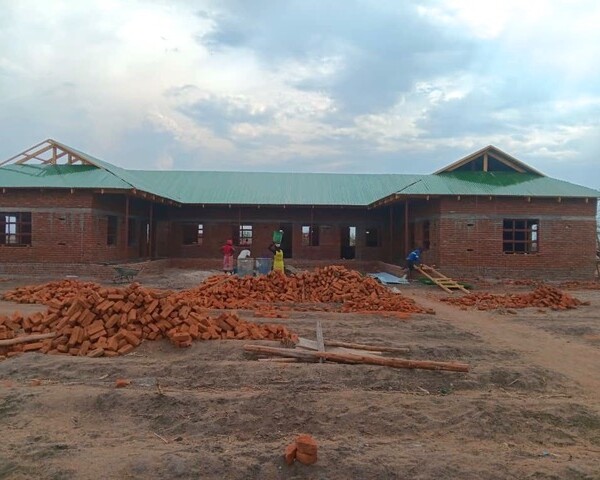
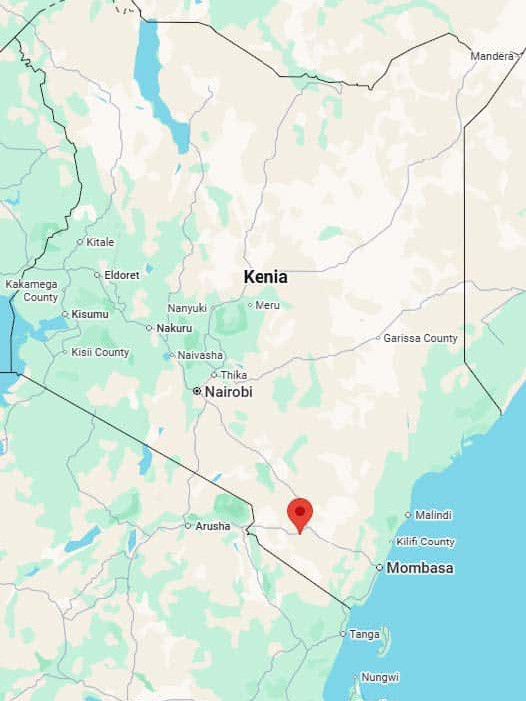
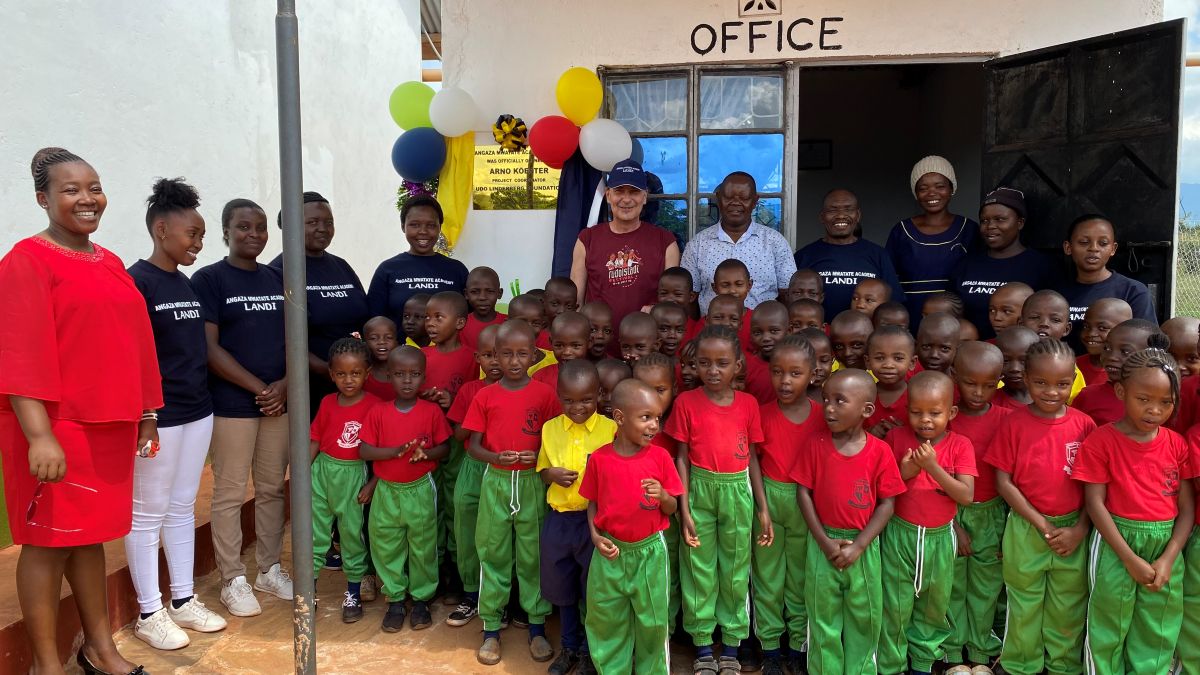
The expansion of the Angaza Academy in the Taita Taveta region of Kenya is an important part of our social commitment to education.
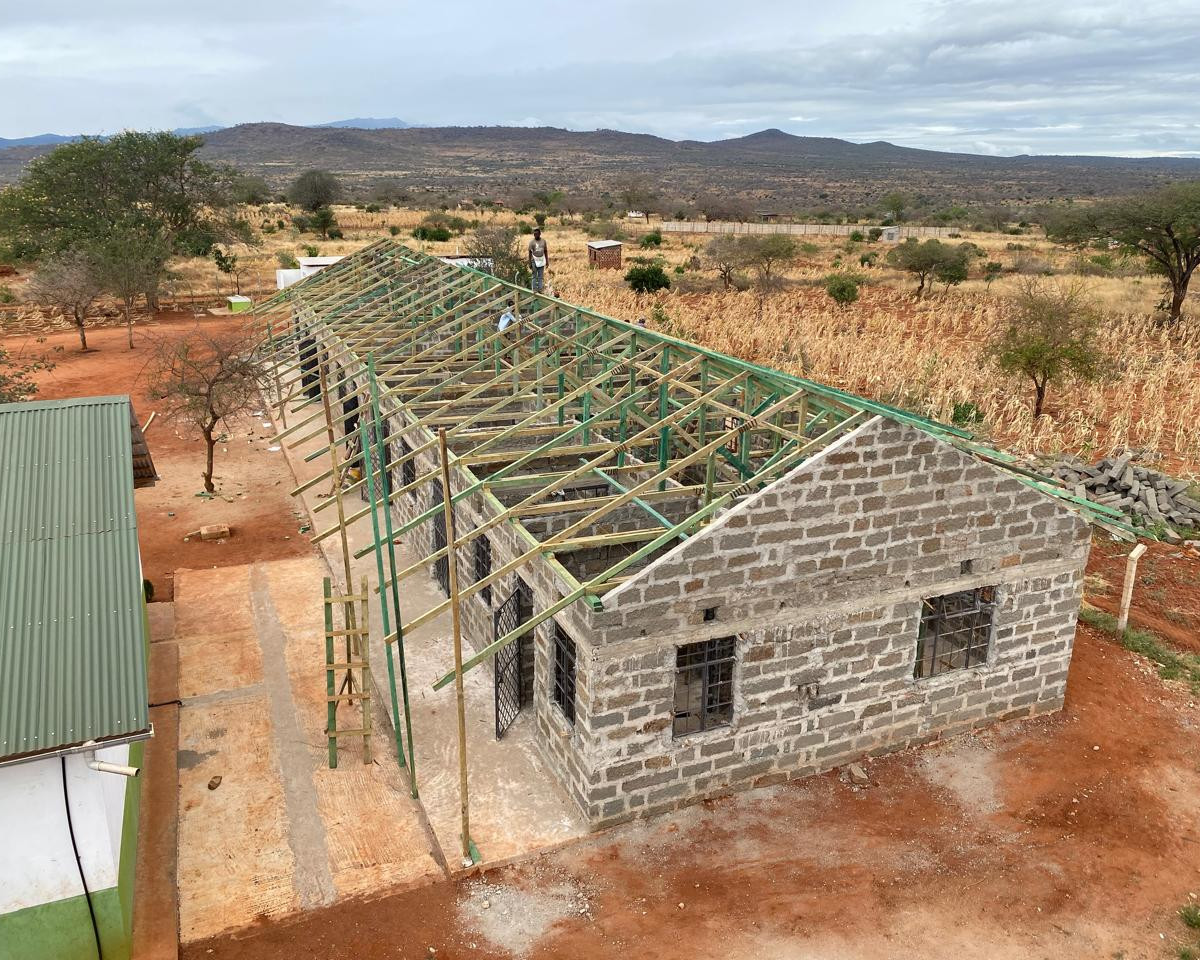
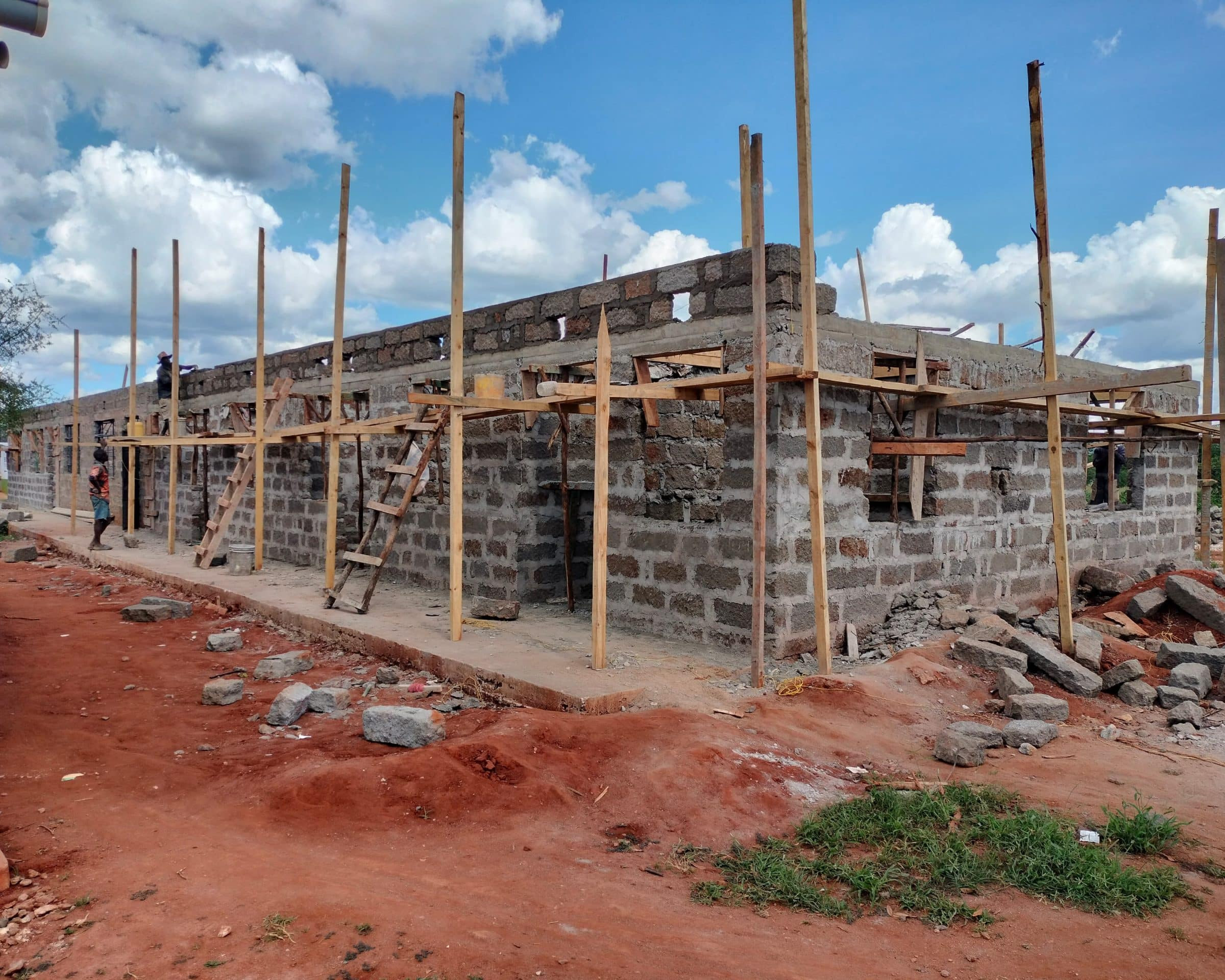
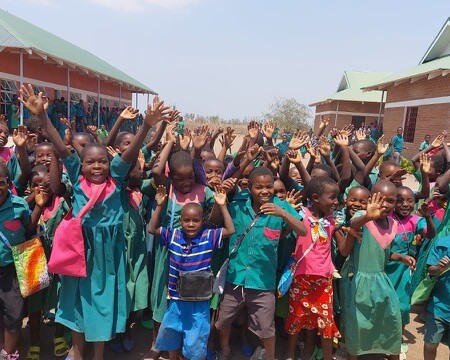
The existing primary school building is to be expanded to include several classrooms and specialist rooms, giving 150 children access to safe, high-quality education in the future. It will also provide secure employment for 25 staff and teachers. The project is helping to improve the educational situation in Kenya in the long term – together with strong local partners.
Our social commitment
The donation project at a glance
For the year 2026, the following must be achieved:
- two additional classrooms including furniture for grades 5 and 6,
- an administrative building and
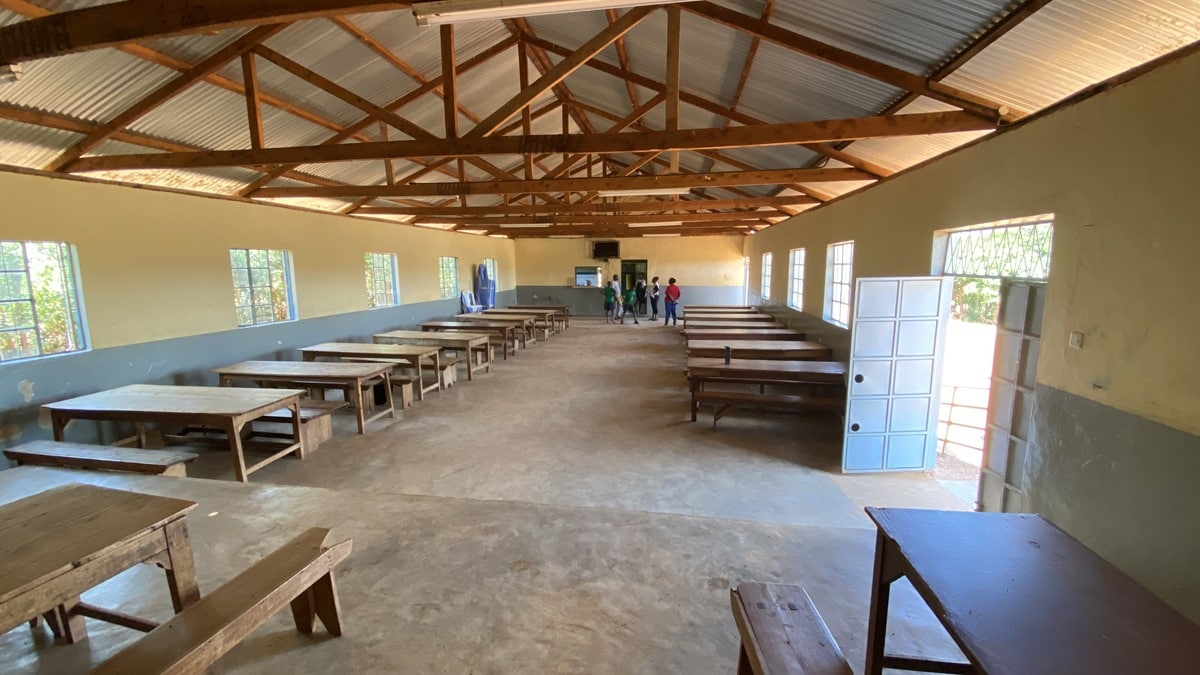
- a dining room
be created in order to meet government requirements. In addition, children who will be completing fourth grade next year should be able to continue their education at Angaza Academy. To this end, the school requires additional
- a library,
- a science lab,
- a music room and
- One roomeach for agricultural and home economics classes.
Total donations (May 28, 2026): €45,715
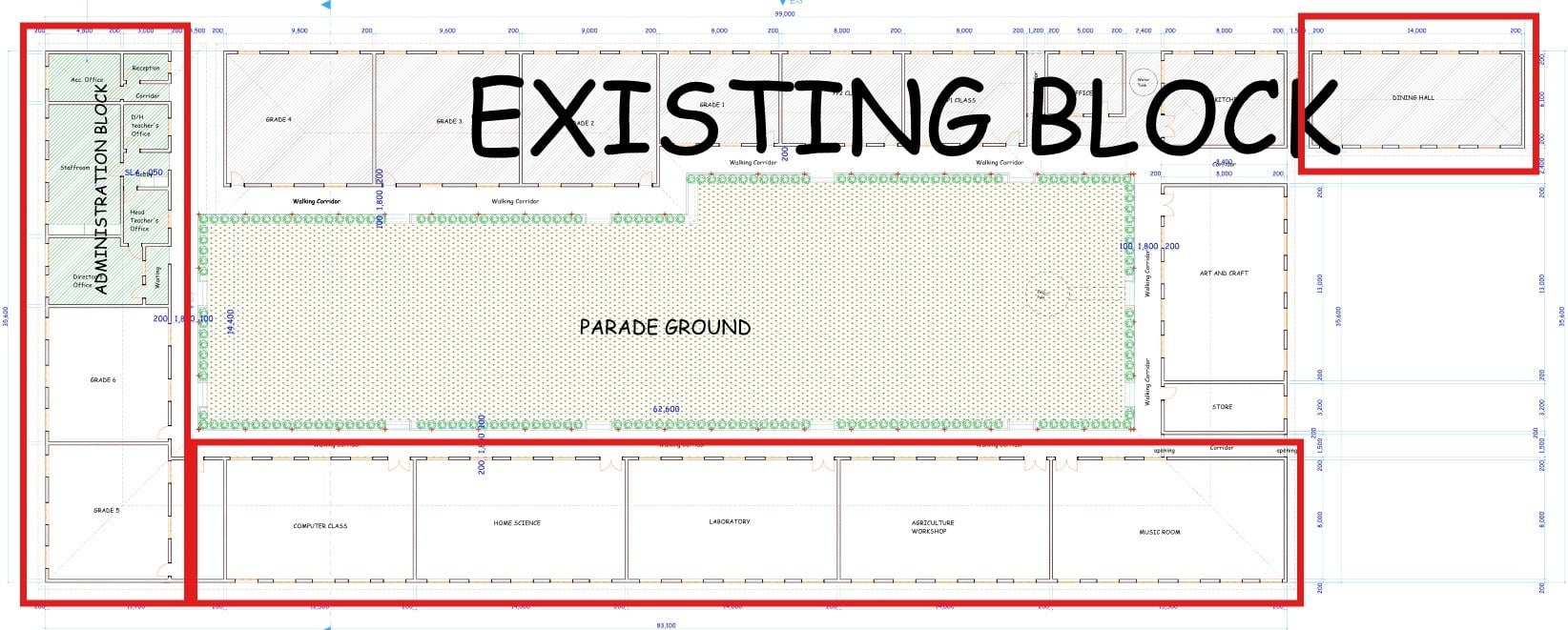
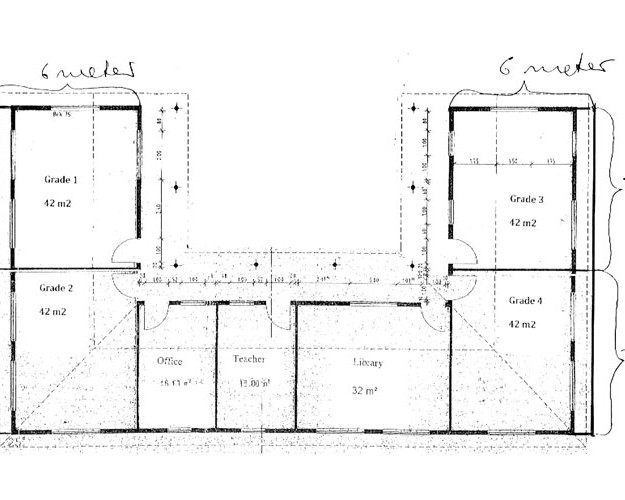
The red markings indicate the new rooms included in the application.
L-shaped school building:
- Left: Administration block above and two classrooms below
- Right: 5 functional rooms
Top right: Dining room next to existing kitchen
Support our social commitment
Donations for our school project
Education changes lives. If you would like to support our social commitment, you can make a donation to help even more children in Kenya gain access to safe learning spaces, a warm meal, and real prospects for the future.
Support our school project in Kenya with your donation so that children in the Taita Taveta region can receive better educational opportunities.
100% of all donations go to the project.
All administrative and organizational costs of the FLY & HELP Foundation are covered by Reiner Meutsch privately or by sponsors and donors.
donation account
Reiner Meutsch Foundation FLY & HELP
IBAN: DE94 5739 1800 0000 0055 50
BIC: GENODE51WW1
WesterwaldBank eG
Password: Baak School
donation receipt
Are you donating more than €50?
Then please include your full name and address in the reference field. This is the only way the FLY & HELP foundation can issue you with a donation receipt.
The project is being implemented in partnership with:
- Reiner Meutsch Foundation Fly & Help
- ANGAZA Watoto wa Africa Foundation (Kenya)
- Teachers and local officials
True to our motto "Helping people help themselves," we work together to ensure that our social commitment has a lasting impact locally.
Data protection & disclosure
All persons who use the password "BAAK Schule" automatically agree that the FLY & HELP Foundation may forward the following information to Baak GmbH & Co. KG:
- Name
- address
- donation date
- donation amount
This information is used solely for the purposes of allocation and transparency of the joint project.
Interesting facts about the project
Background & current challenges
The Angaza Academy is located in a region with one of the highest poverty levels in Kenya. The level of education is correspondingly low, and many children lack access to safe schooling. The ANGAZA Watoto wa Africa Foundation aims to improve this situation in the long term. Its school, the Angaza Academy, offers children from the surrounding communities the opportunity to receive reliable, high-quality education.
Infrastructure & Equipment
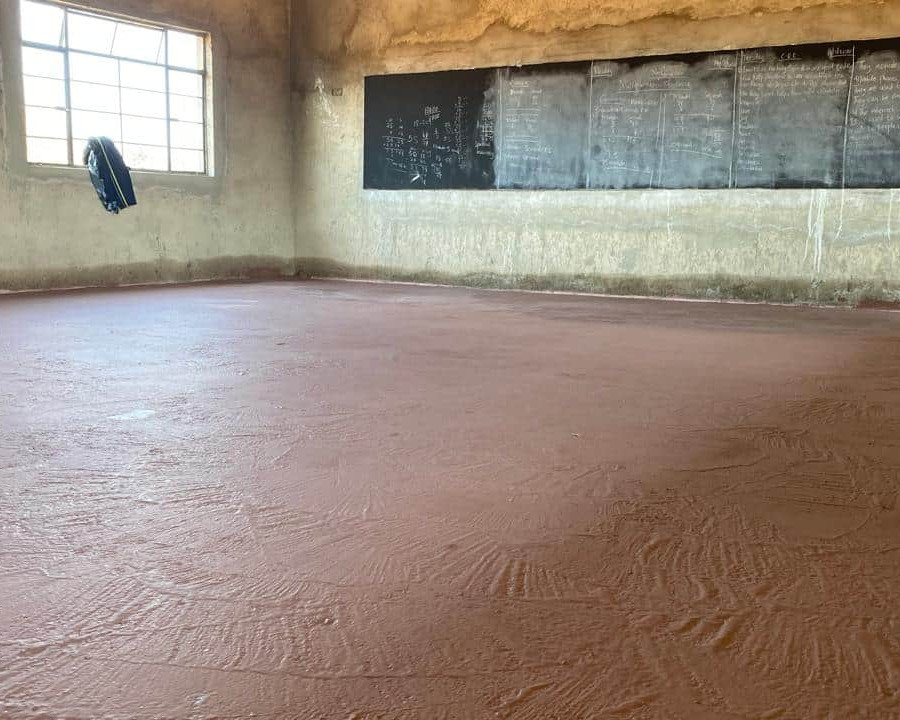
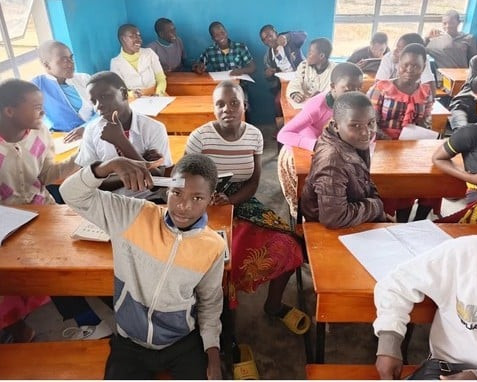
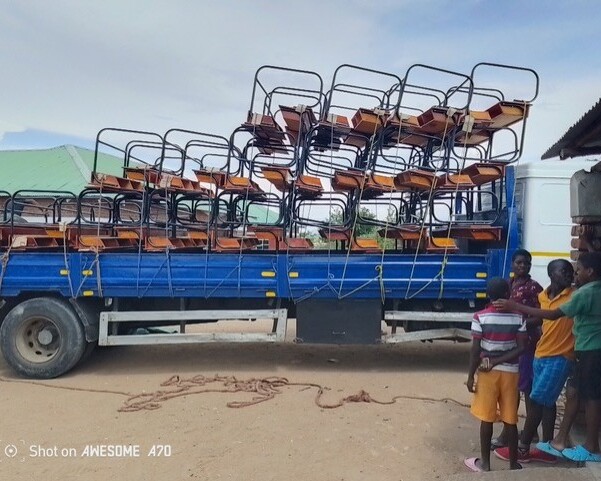
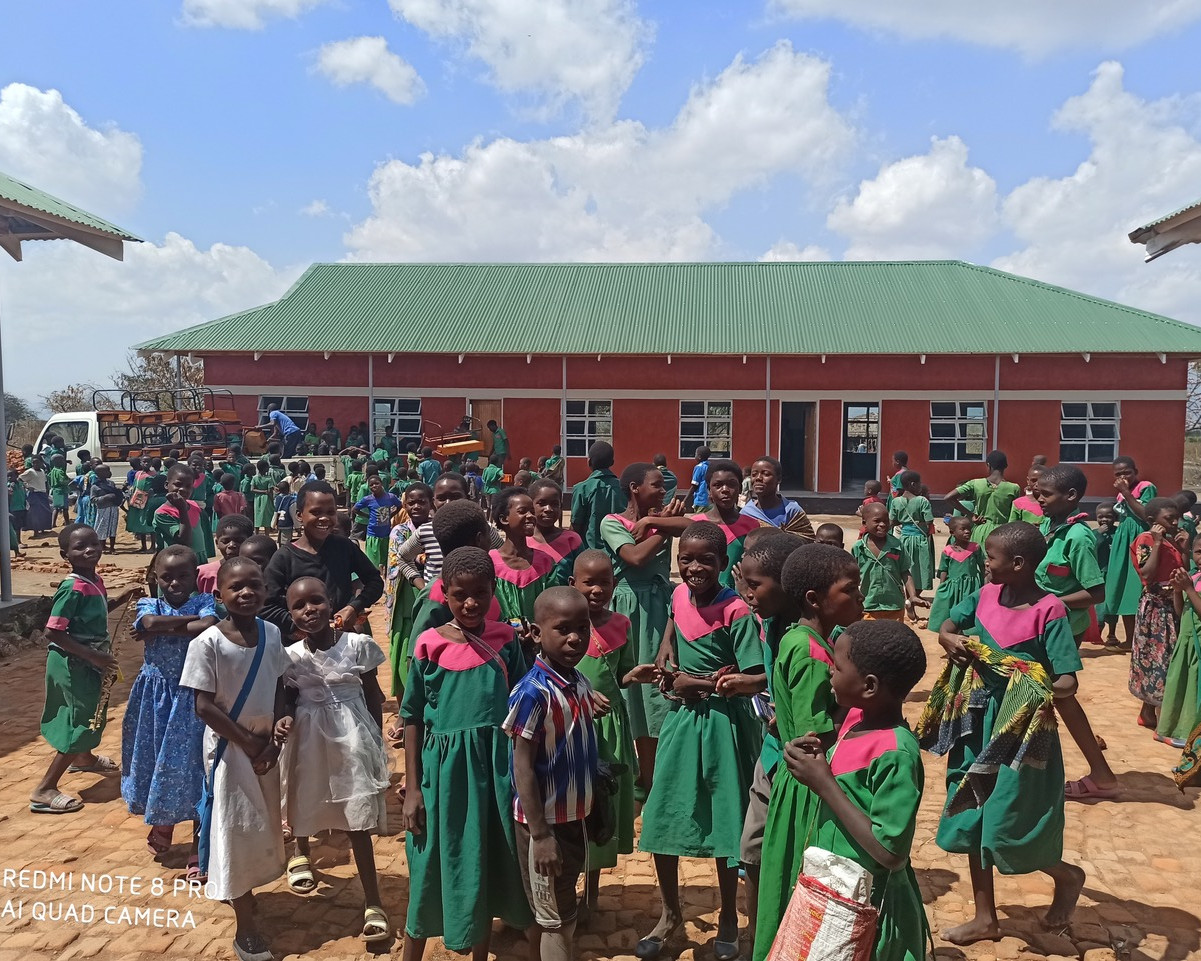
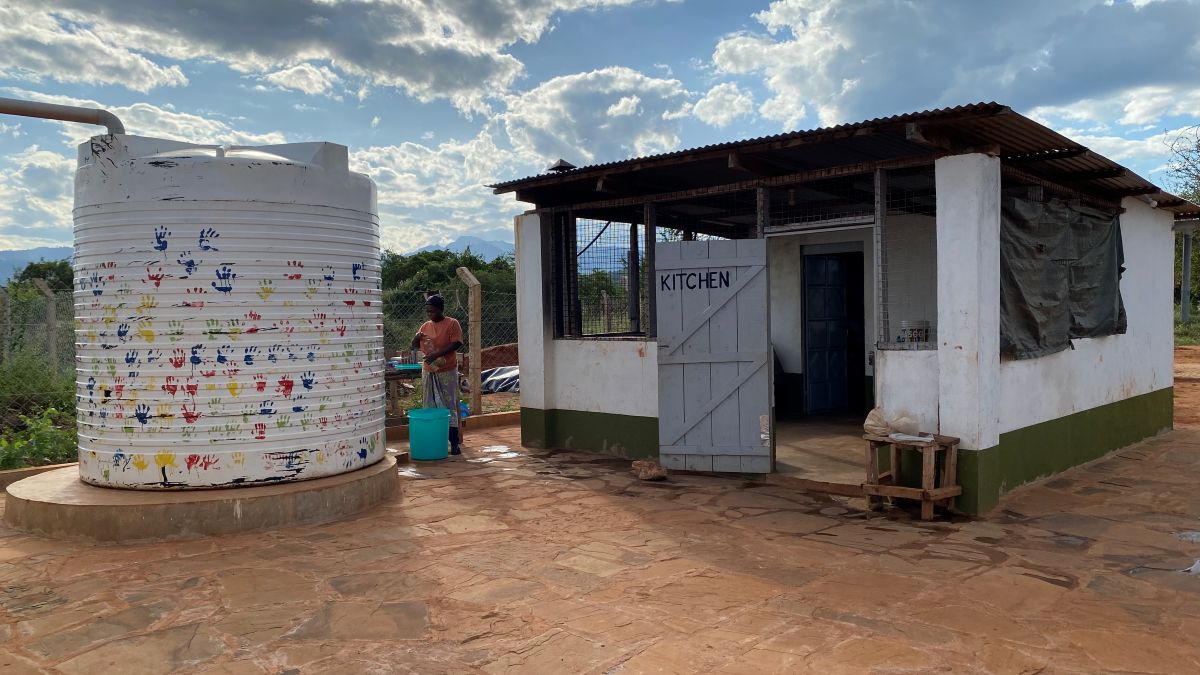
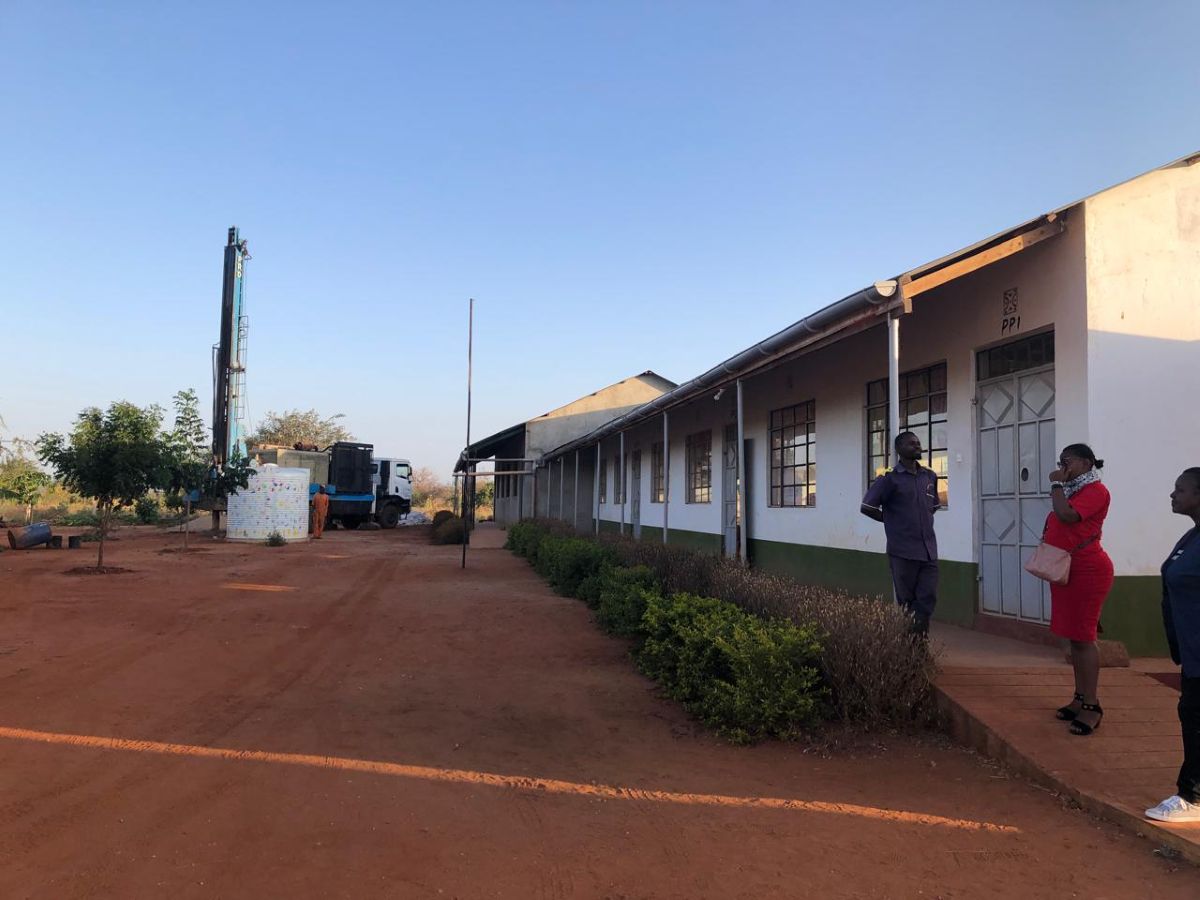
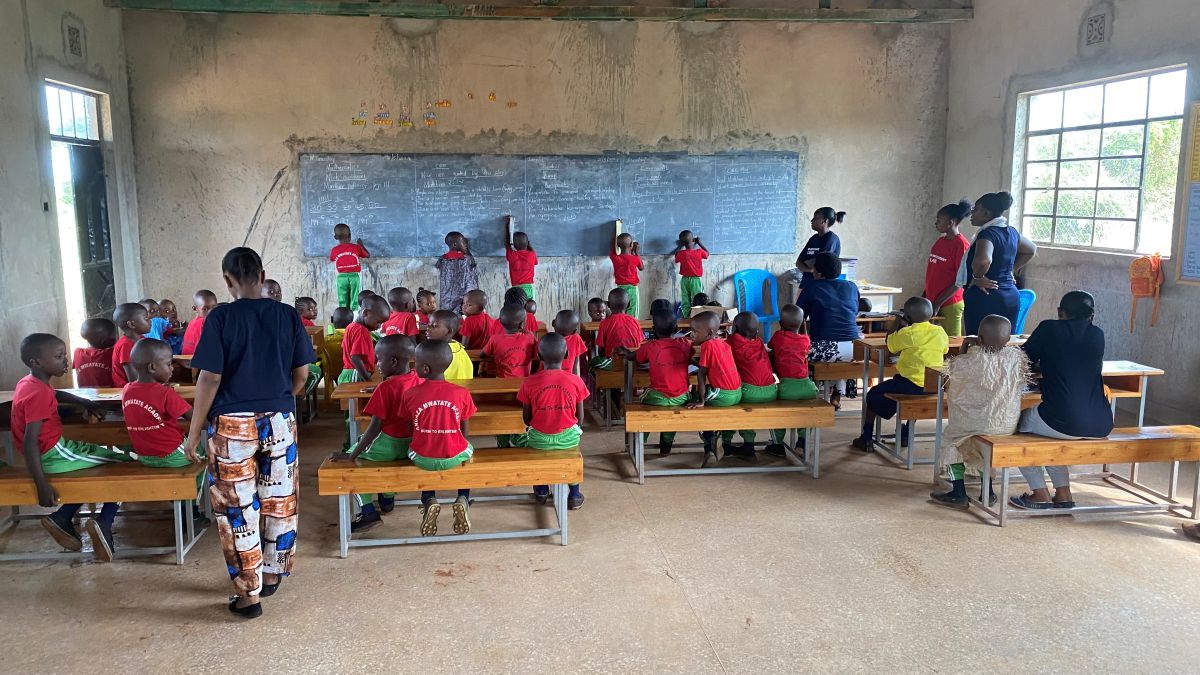
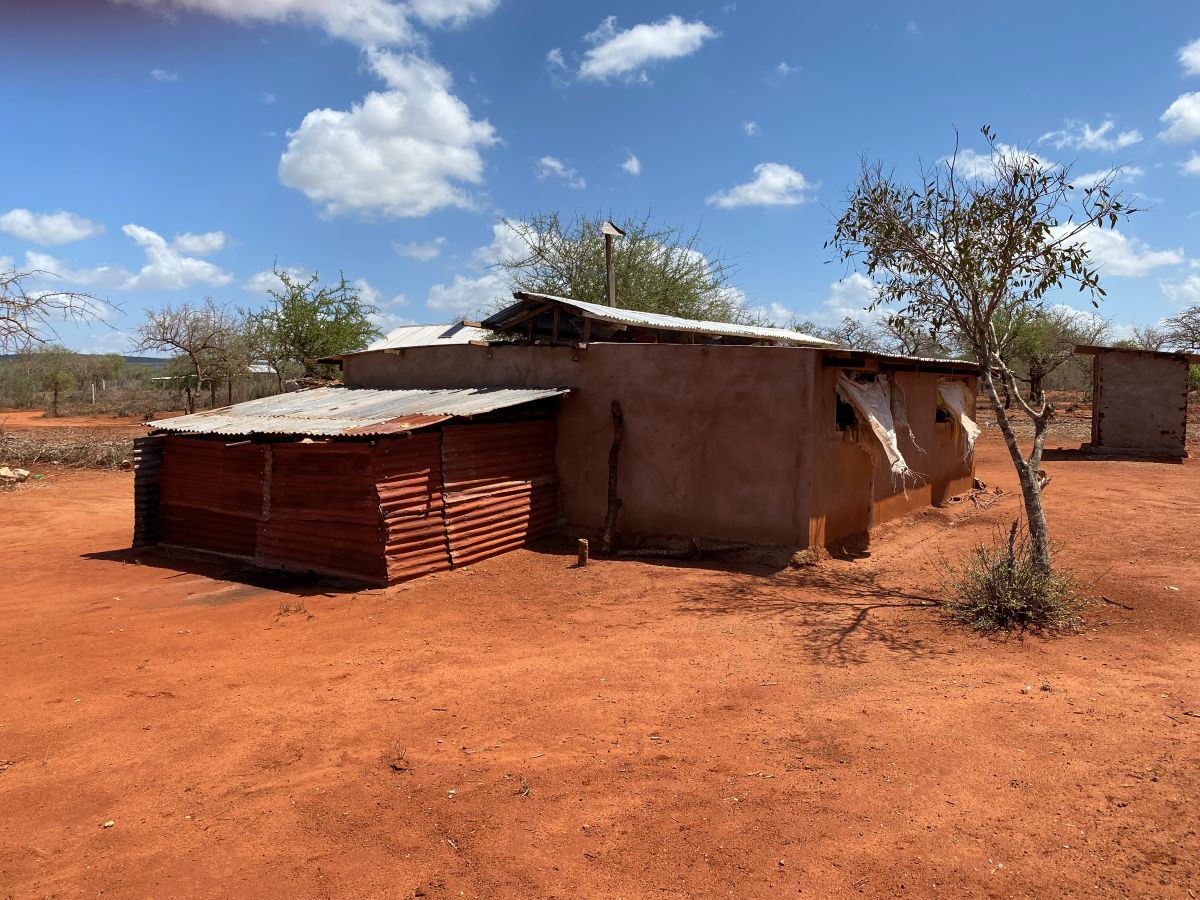
The school currently has six classrooms—two for the preschool levels (Pre-Primary 1 and 2) and four for grades 1 to 4. The existing buildings are solid stone structures with cement or terrazzo-like floors, which are easy to keep clean. Steel doors, glass windows, and corrugated iron roofs provide stability and protection. In the preschool classes, the children learn at hexagonal group tables, while grades 1 to 3 sit at shared school desks. From grade 4 onwards, each child has their own chair and locker.
In addition to the classrooms, the school currently only has a small temporary office, a simple kitchen, and a storage room. Eight teachers are currently teaching a total of 108 students; after the expansion, around 150 students are expected.

Further challenges shape the Taita Taveta region
- Water scarcity: Drinking water has to be purchased, which is a significant cost factor. With funding from the BMZ Small Projects Fund (via the WATER IS RIGHT and Udo Lindenberg foundations), a high-quality water treatment plant is currently being built. It is expected to provide an unlimited supply of drinking and industrial water from March 2026.
- Danger from wild animals: Due to the proximity to Tsavo East National Park, there is a risk from elephants and other wild animals. Fences and beekeeping already serve as protective measures, but danger cannot be completely ruled out.
- Poverty and food security: Many families have very limited financial resources and can hardly afford regular meals. Angaza Academy therefore provides all children with two hot meals a day – supported by the school's own farm.
- Long journeys to school: The Landi region is spread out. Many children travel eight to twelve kilometers every day to get to school. Since the beginning of the year, a small school bus has been making the journey easier.
Kenya – Landi Community
Background and challenges in the region
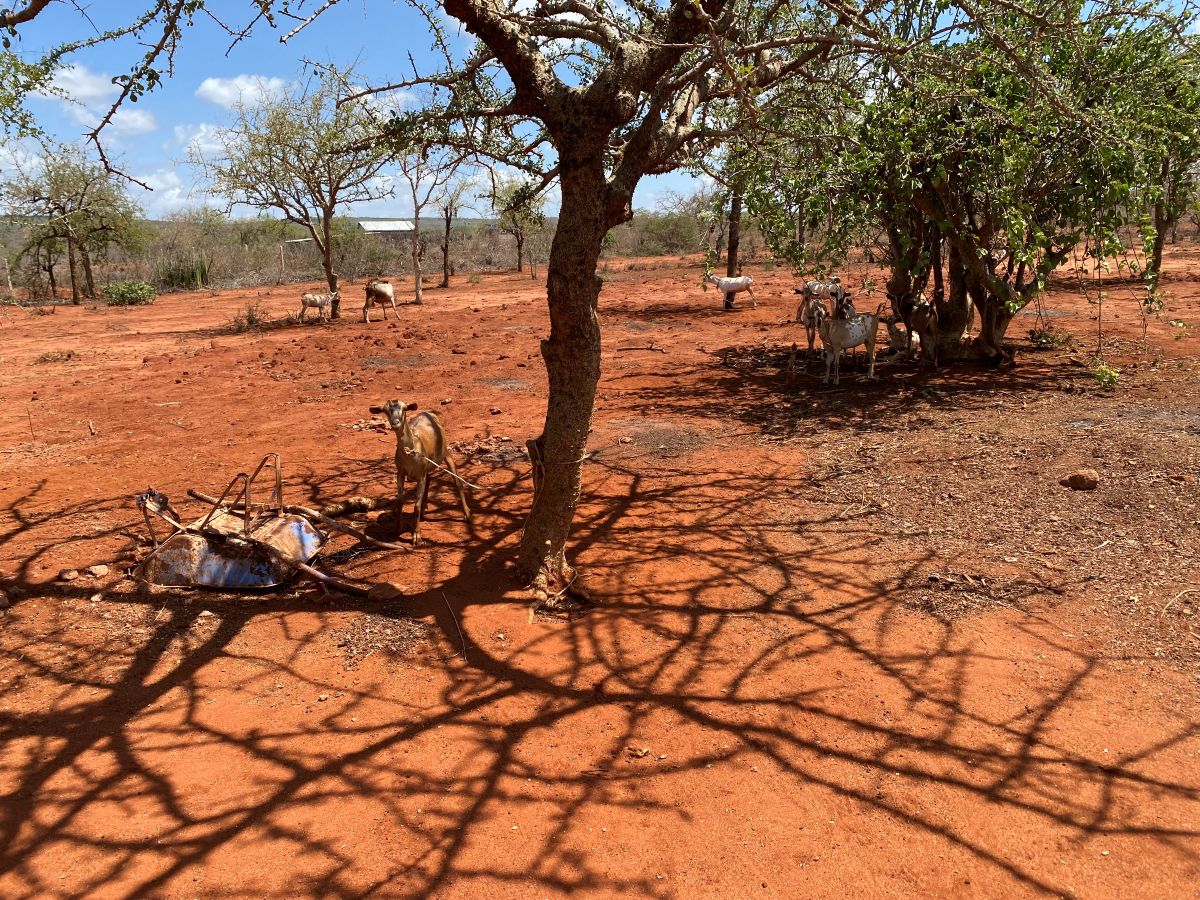
Kenya shows a mixture of economic progress, innovation, and social challenges. The country has a relatively stable economy, but also a high poverty rate and social inequality. Education is an important factor for the country's development. The state offers eight years of free primary education, but many children are unable to attend school due to poverty and other obstacles. Between 20% and 25% of the population is still considered illiterate. Poverty, a lack of teaching materials, poor school facilities, and a shortage of teachers continue to be obstacles to access to education. Children from slums and economically disadvantaged regions, as well as AIDS orphans, are particularly affected. Education is seen as the key to combating poverty.

Economy
Kenya is considered the strongest economy in East Africa, but social inequality is high. About half of the population lives below the poverty line. The country has a relatively dynamic private sector and is not heavily dependent on commodity exports.
Youth unemployment is high, and many people work in the informal sector. Nevertheless, there is a small boom, particularly in the digital sector and alternative energies, which is often driven by very young people.
poverty
In Kenya, poverty particularly affects children in slums and structurally weak regions. Price increases caused by the war in Ukraine are making fuel, fertilizer, and food more expensive. At the same time, climate change is exacerbating the situation; the Horn of Africa is experiencing a historic drought that is plunging millions of people into hunger.
High levels of public debt limit the government's scope for action and destabilize the social situation, with long-term consequences for children.
Our partners
About FLY & HELP
The FLY & HELP Foundation has set itself the task of sustainably improving access to school education in developing countries. Since its inception, more than 650 school projects have been implemented worldwide, with a total funding volume of around 34 million euros to date. These projects give thousands of children in Africa, Asia, and Latin America the opportunity to attend school, laying the foundation for a self-determined future.
The foundation's goal is to implement at least 50 new educational projects each year.
For us, working with FLY & HELP was a conscious decision—based on many years of experience, clear quality criteria, and transparent project management:
- Careful project selection: The foundation's employees personally research, review, and evaluate each project.
- Local representatives: Each project has a local contact person who closely monitors its implementation.
- Regular progress monitoring: Construction progress must be continuously documented through structured project reports.
- Transparency in the use of funds: The foundation continuously discloses the project-related use of donations.
- Principle of "helping people help themselves": All projects strengthen local structures and promote long-term independence.
- Ensuring sustainability: The school must be state-approved, and funding for teachers and ongoing operations must be guaranteed.
A special aspect of the collaboration is that 100 percent of the donations are passed on:
All donations go entirely to the educational projects, as Reiner Meutsch covers the foundation's administrative costs privately or these are covered by sponsors.
Company blog
Project progress & updates
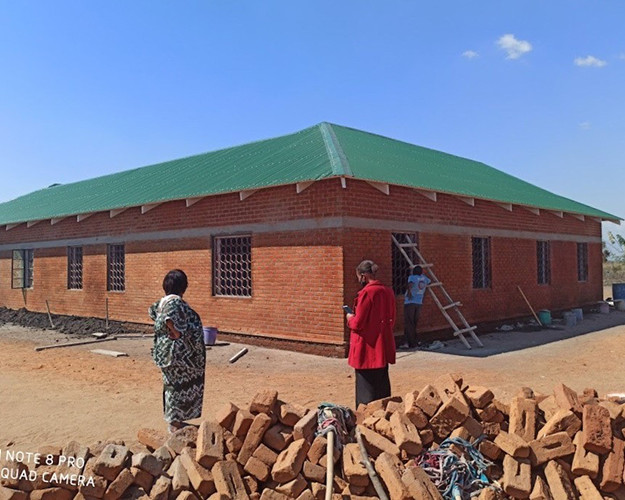
In our company blog, we will publish reports on the status of donations as well as photos and construction progress.