

BAAK Barefoot
The only certified barefoot safety shoes
Available in our online store and from specialist retailers
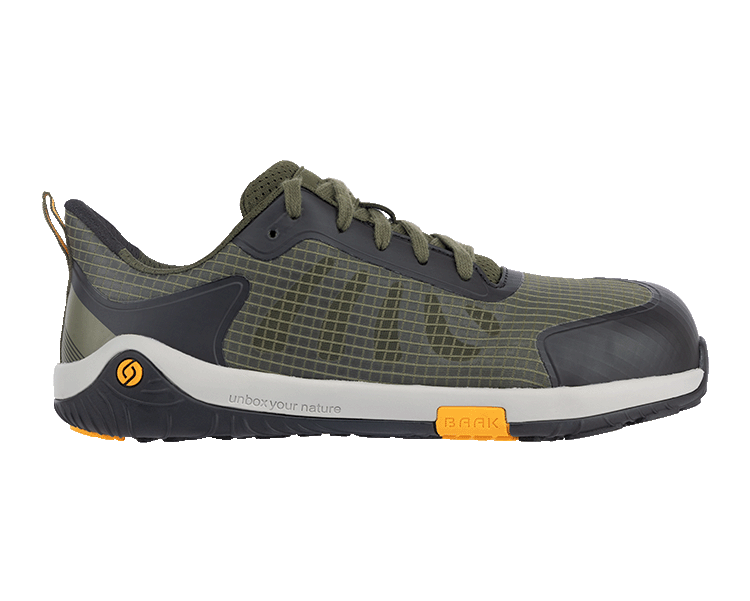
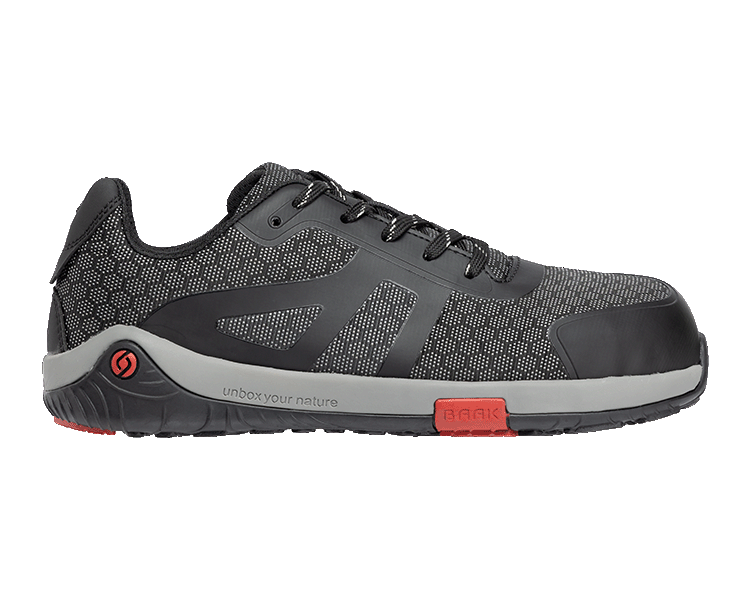
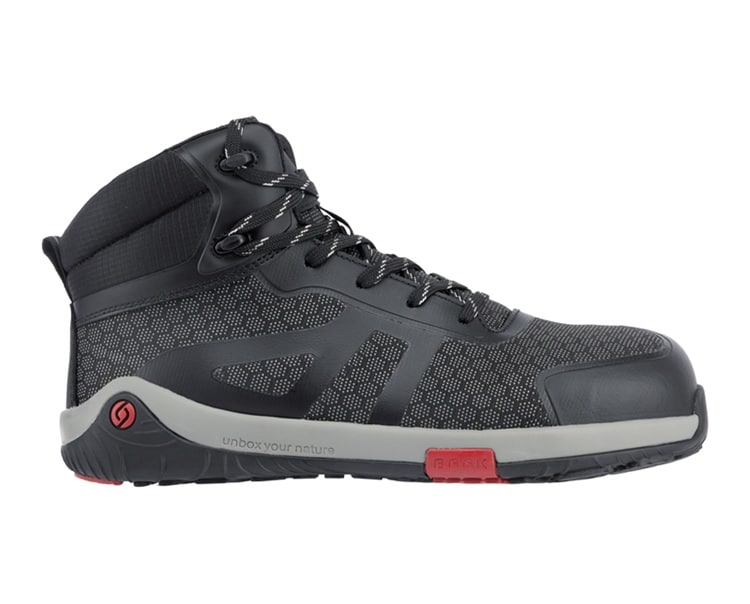
Barefoot safety shoes by Baak
A natural running feel meets certified protection
Many people are familiar with the feeling of heavy, tight, or uncomfortable work shoes. Blisters, tired feet, and tense legs are a common part of the workday for many. Barefoot safety shoes take a different approach: more room for the toes, flexible soles, and a stable footing can help the body move more naturally and noticeably improve comfort during the workday.
Regardless of the industry they work in, more and more people are looking for ergonomic safety shoes that effectively combine protection with freedom of movement. On this page, you’ll learn how barefoot safety shoes work, what to look for when it comes to fit and breaking them in, and which model is right for your daily work routine.
Why wear barefoot safety shoes?
The problem
Conventional shoes with raised heels force the body into an anatomically incorrect posture, which can cause a variety of symptoms, such as: swayback, anterior pelvic tilt, and poor shoulder posture. In safety shoes, the health consequences can be drastically exacerbated, as the shoes must be worn for many hours every day. Over time, this can lead to chronic discomfort and limited mobility.

The Solution
Barefoot safety shoes combine all the benefits of barefoot shoes and bring them into the workplace. Thanks to the zero-drop sole with no heel-to-toe drop, the extra-wide toe box, and the flexible sole and upper material, you stand straight and upright. This ensures that your pelvis and spine in perfect alignment with your body’s center, known as the neutral position. This promotes healthy posture and can even reduce muscular imbalances over the long term.

Features of barefoot safety shoes
Natural movement makes all the difference
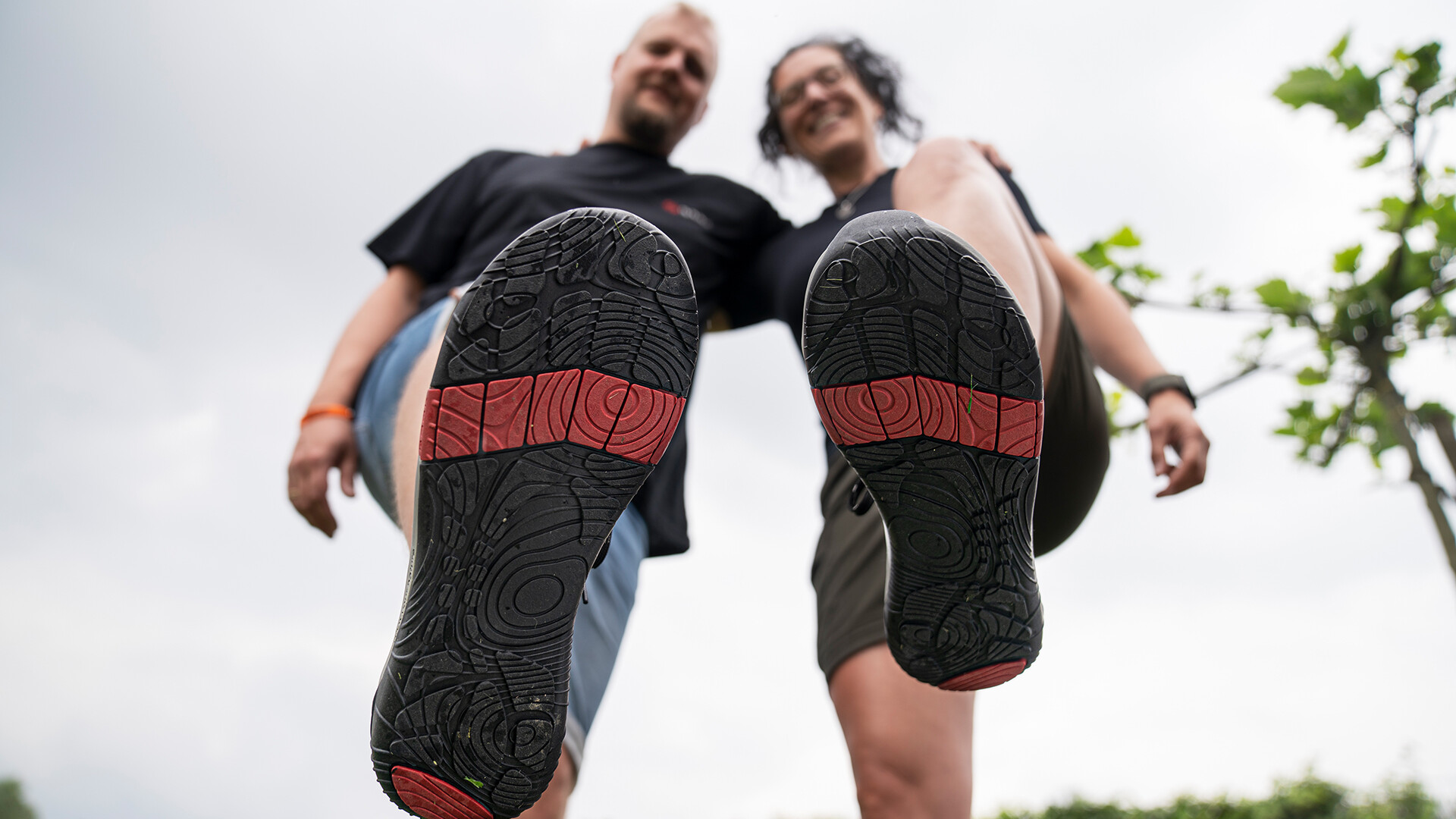
Zero-drop sole
With Baak’s barefoot safety shoes, you’ll experience natural freedom of movement and maximum comfort. Thanks to the zero-drop sole, you stand completely flat on the ground, with no heel lift. This means your body maintains a natural, upright posture that relieves pressure on your joints and supports healthy body mechanics .
This ergonomic design promotes natural foot movement, improves balance, and ensures a comfortable walking experience —almost like walking barefoot, but with the protection you need on the job.
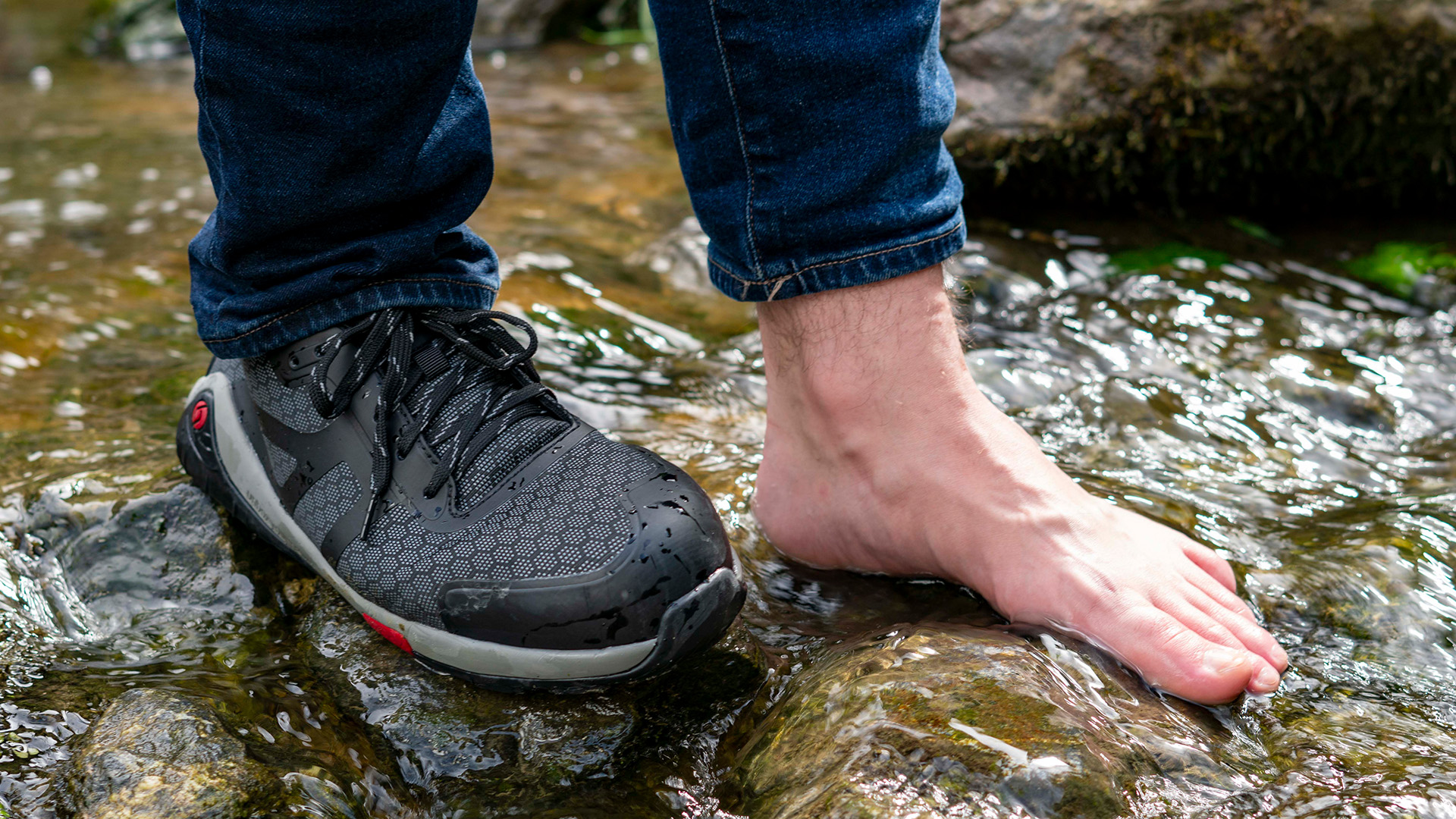
More legroom
Wide toe box
The extra-wide toe box of Baak barefoot safety shoes is designed to accommodate the natural shape of your feet. Unlike conventional work shoes, the protective toe cap does not constrict your toes; instead, it provides ample space for them to move freely.
The result: Maximum toe freedom for a comfortable fit and a natural foot position. Your feet can move the way nature intended. This promotes blood circulation, prevents pressure points, and reduces the risk of misalignment or discomfort after long days at work.
Natural movement
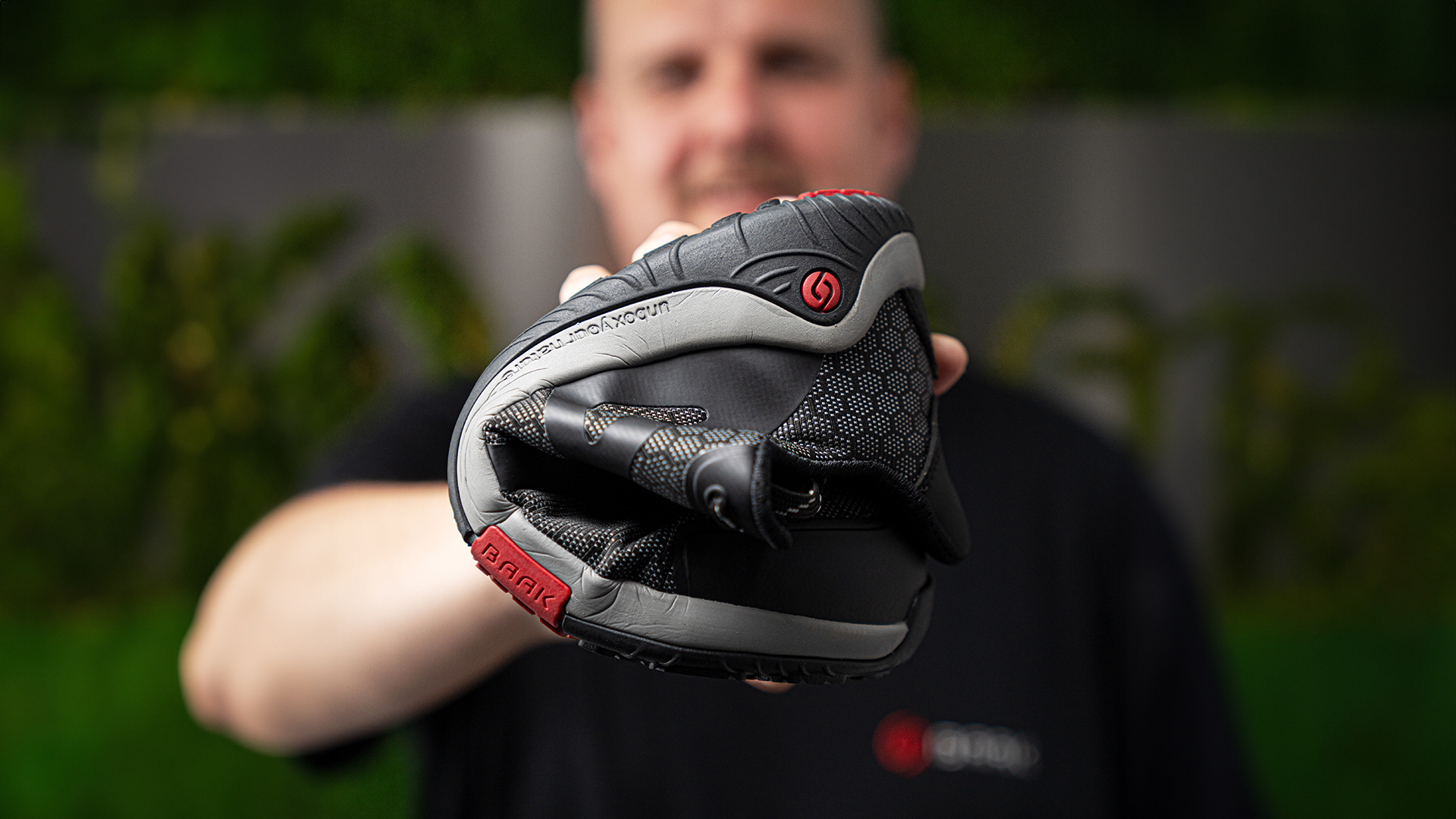
Flexible material
Barefoot safety shoes are made of highly flexible and very lightweight material that molds perfectly to your foot. This allows for a natural rolling motion and maximum freedom of movement.
While traditional work shoes are often stiff and restrictive, Baak’s barefoot safety shoes allow your feet to move freely and naturally in any situation. Whether you’re walking, kneeling, or squatting—the shoe moves with you without causing pressure points or restricting your movement.
Baak Barefoot Collection
Technical product information
Name and article number:
Weight:
Size range:
Safety class & standard
Midsole & outsole
Toe & penetration protection
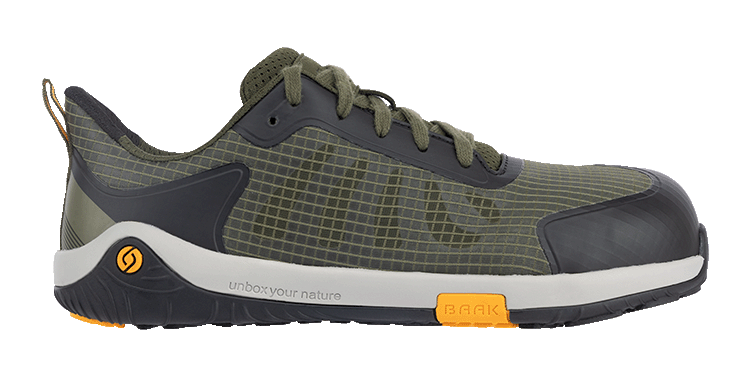
Name and article number:
Weight:
Size range:
Safety class & standard
Midsole & outsole
Toe and penetration protection
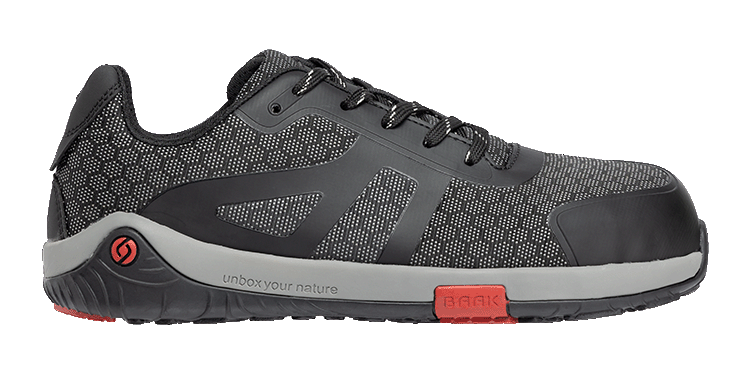
Name and article number:
Weight:
Size range:
Safety class & standard
Midsole & outsole
Toe & penetration protection
Size Chart & Fit
Find the right barefoot safety shoes
The fit of barefoot safety shoes is different from what you're used to with conventional shoes. To find the perfect size of barefoot safety shoe for you, all you need is a piece of paper and a pen. Here's how to determine the right shoe size:
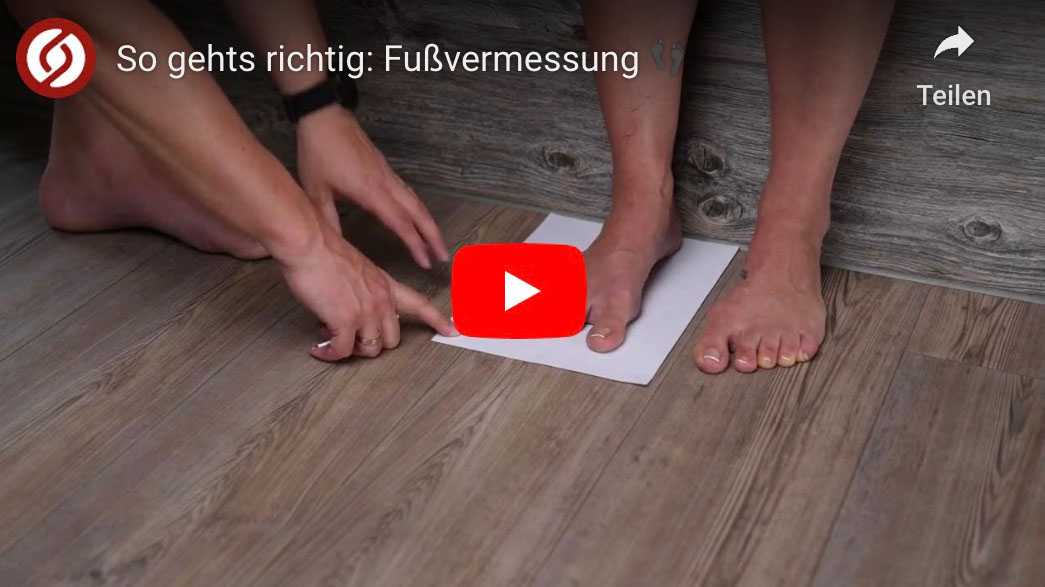
Click on the video image to go to the measuring instructions on YouTube.
| Shoe size | Recommended for foot length | Insole Length (Shoe) | Ball width (shoe) |
|---|---|---|---|
| 36 | 223-230 | 240 | 92 |
| 37 | 231-237 | 247 | 94 |
| 38 | 238-243 | 253 | 96 |
| 39 | 244-250 | 260 | 98 |
| 40 | 251-257 | 267 | 100 |
| 41 | 258-263 | 273 | 102 |
| 42 | 264-270 | 280 | 104 |
| 43 | 271-277 | 287 | 106 |
| 44 | 278-283 | 293 | 108 |
| 45 | 284-290 | 300 | 110 |
| 46 | 291-297 | 307 | 112 |
| 47 | 298-303 | 313 | 114 |
| 48 | 304-310 | 320 | 116 |
Foot length = includes the recommended allowance of 10–15 mm
Helpful tips – here and on YouTube
Everyday exercises for healthier feet
Click on the video image to access the exercise playlist on YouTube.
Popular with the community. Well-known on social media.
Meet our barefoot experts





Frequently Asked Questions
Frequently asked questions
Barefoot safety shoes are safety shoes designed to provide a particularly natural fit. Typical features include a wide toe box, flexible soles and uppers, and a flat sole with no heel-to-toe drop (zero drop). They combine certified foot protection with greater freedom of movement and a more natural walking experience.
No, barefoot safety shoes do not have to be worn barefoot. The term “barefoot shoe” refers to the shoe’s design—specifically, a flexible sole, a wide toe box, and a natural, barefoot-like walking experience. Especially at work, wearing barefoot safety shoes with work socks can improve stability. What matters is not whether the shoe is worn barefoot, but that the foot has more freedom of movement and can perform its natural functions. #UnboxYourNature
Yes, certified barefoot safety shoes meet the same safety standards as traditional safety shoes. For example, all models feature a steel toe cap, puncture resistance, and slip-resistant soles in accordance with ISO 20345.
"Zero drop" means that the heel and forefoot are at the same height. In other words, the sole does not have a traditional heel-to-toe drop. This promotes a more natural posture and a stable stance.
A wide toe box gives your toes more room to move naturally. This can reduce pressure points, improve comfort, and help you stand more steadily.
Barefoot safety shoes are particularly well-suited for people who stand or walk for long periods, prefer more room for their toes, or feel constricted in traditional safety shoes. They can also be an interesting alternative for those with sensitive feet or who want a more natural walking experience.
Barefoot shoes are made using special lasts, which means their fit differs from that of traditional safety shoes. The best way to determine the right size is by measuring the length of your foot. Measure your foot while standing and compare the result with our size chart. You can find more information on how to determine the right shoe size here.
Absolutely. Barefoot safety shoes are particularly well-suited for wider feet, as they offer more room in the forefoot area than traditional models. However, it’s still crucial that you choose the right shoe size.
Traditional safety shoes often feature sturdier support, cushioning, and a tighter fit. Barefoot safety shoes, on the other hand, offer significantly more room for the toes, ultra-flexible materials, and a more natural walking experience, which is further enhanced by the flat sole.
Yes, the transition can feel a bit strange at first. Since barefoot safety shoes support the foot’s natural movement more effectively, the muscles in your feet and legs are often engaged more actively. That’s why we recommend a gradual adjustment period. To help with this, every Baak Barefoot model comes with a free insole featuring a 7 mm heel-to-toe drop, designed to make the adjustment easier for you.