

Orthopaedics for safety shoes
There is a standard for the shoe, but there is no standard for the foot.
Together with our orthopaedic partners, we can provide you with individual insoles and orthopaedic shoe fittings in accordance with DGUV Rule 112-191. DGUV Rule 112-191 stipulates that orthopaedic insoles may only be inserted into safety shoes in conjunction with a valid EU type examination certificate.
This ensures that your safety shoes continue to comply with EN ISO 20345 even after the orthopaedic modification and offer the wearer the same protection as before. In Austria, ÖNorm Z 1259 applies instead of DGUV Rule 112-191, which differs from the German standard in two respects:
- The shoes must meet the highest slip resistance category SRC in accordance with EN ISO 20345
- No ¾ inserts may be used.
The orthopaedic specialist store can select the most suitable insole for your orthopaedic treatment and purchase it from one of our orthopaedic partners or directly from Baak.


Ingo's checklist
5 steps to an orthopaedic insole
☑ If you have foot or gait problems, consult anorthopaedic specialist. After the appropriate diagnosis, you will receive a medical certificate (prescription) for orthopaedic insoles.
☑ Choose the right safety shoe from the Baak range. Our dealers and our team will be happy to advise you. You can find an overview of which safety shoes are suitable for orthopaedic measures directly on our website.
☑ Then take your Baak safety shoes and the medical certificate to an orthopaedic specialist store.
☑ The orthopaedic specialist store orders the appropriate materials and insole blanks from our orthopaedic partners or directly from us.
☑ The safety shoes are customized there and the orthopaedic insoles are professionally fitted. This gives you optimum comfort and complete safety.
☑ The orthopaedic specialist store will take care of billing your health insurance company for you.

Shoe repair:Suitable models from Baak
Baak offers you various models from the Industrial series for frequently required adjustments. Many of these safety shoes are available in two widths. The wider version also has an 8 mm wider protective toe cap - ideal fororthopaedic insoles and individual fittings.
Here you will find an overview of the four most common orthopaedic adjustments:
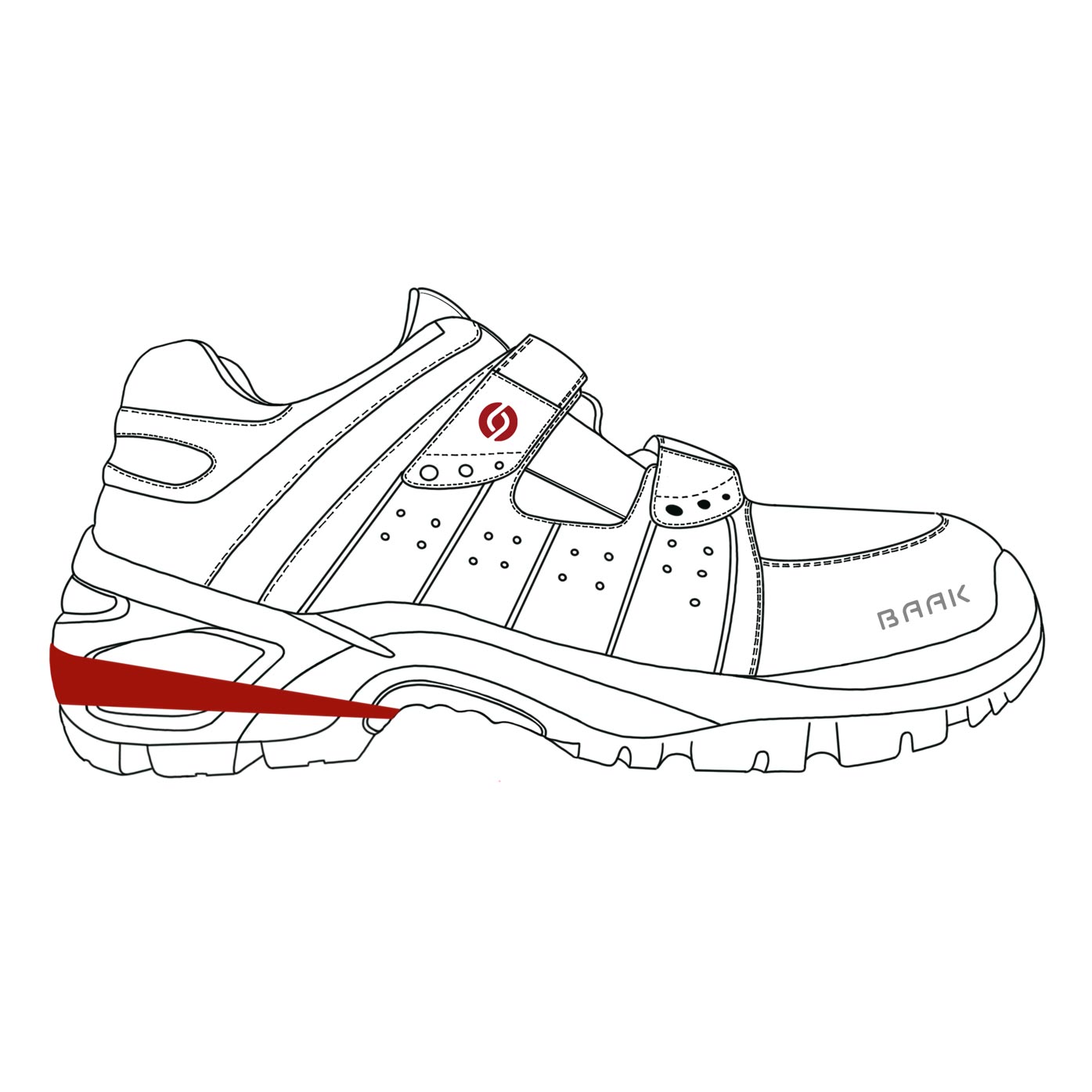
It is primarily used to raise the heel and thus compensate for a difference in leg length, as well as for problems with the Achilles tendon.
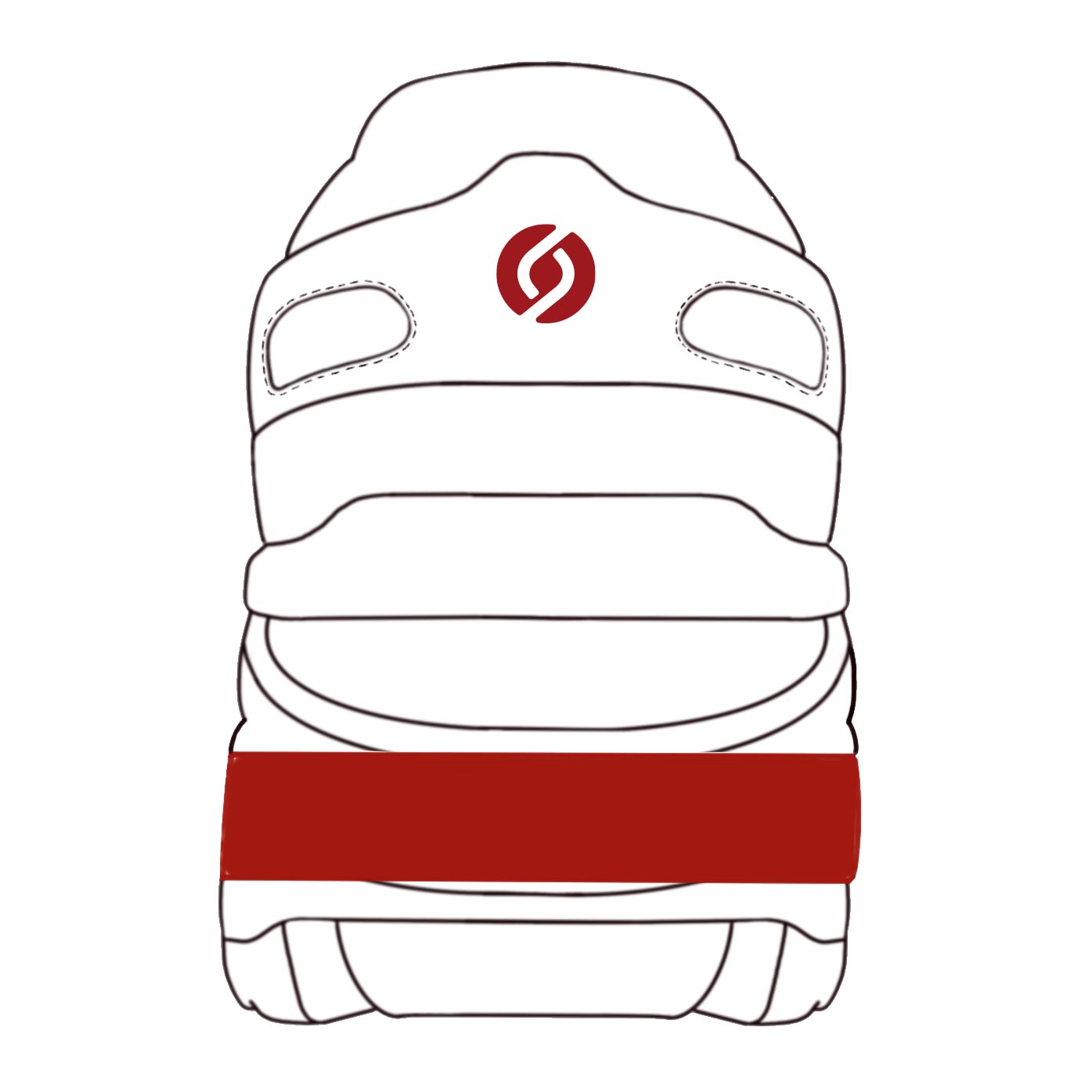
By raising the entire running surface, larger differences in leg length (maximum 3 cm) can be compensated for. This adjustment also allows the installation of a roll-off aid in the forefoot area.
They enable the wearer to walk more easily. We differentiate between the following roll-off aids:
- The metatarsal roller is used for stiffened joints. Example: Ankle joint and metatarsophalangeal joint
- The bunion roller is used for ankle and forefoot problems. This roller also makes it easier to walk. Depending on the case, a heel adjustment may also be necessary to guarantee a uniform shoe height.
Every orthopaedic specialist retailer is authorized to make changes to the ready-made safety shoe. The prerequisite is that the specifications of the type examination are adhered to. The specialist orthopaedic retailer is responsible for ensuring that the modified safety shoe is modified in accordance with our production instructions on baak.de.

Every orthopaedic specialist retailer is authorized to make changes to the ready-made safety shoe. The prerequisite is that the specifications of the type examination are adhered to. The specialist orthopaedic retailer is responsible for ensuring that the modified safety shoe is modified in accordance with our production instructions on baak.de.
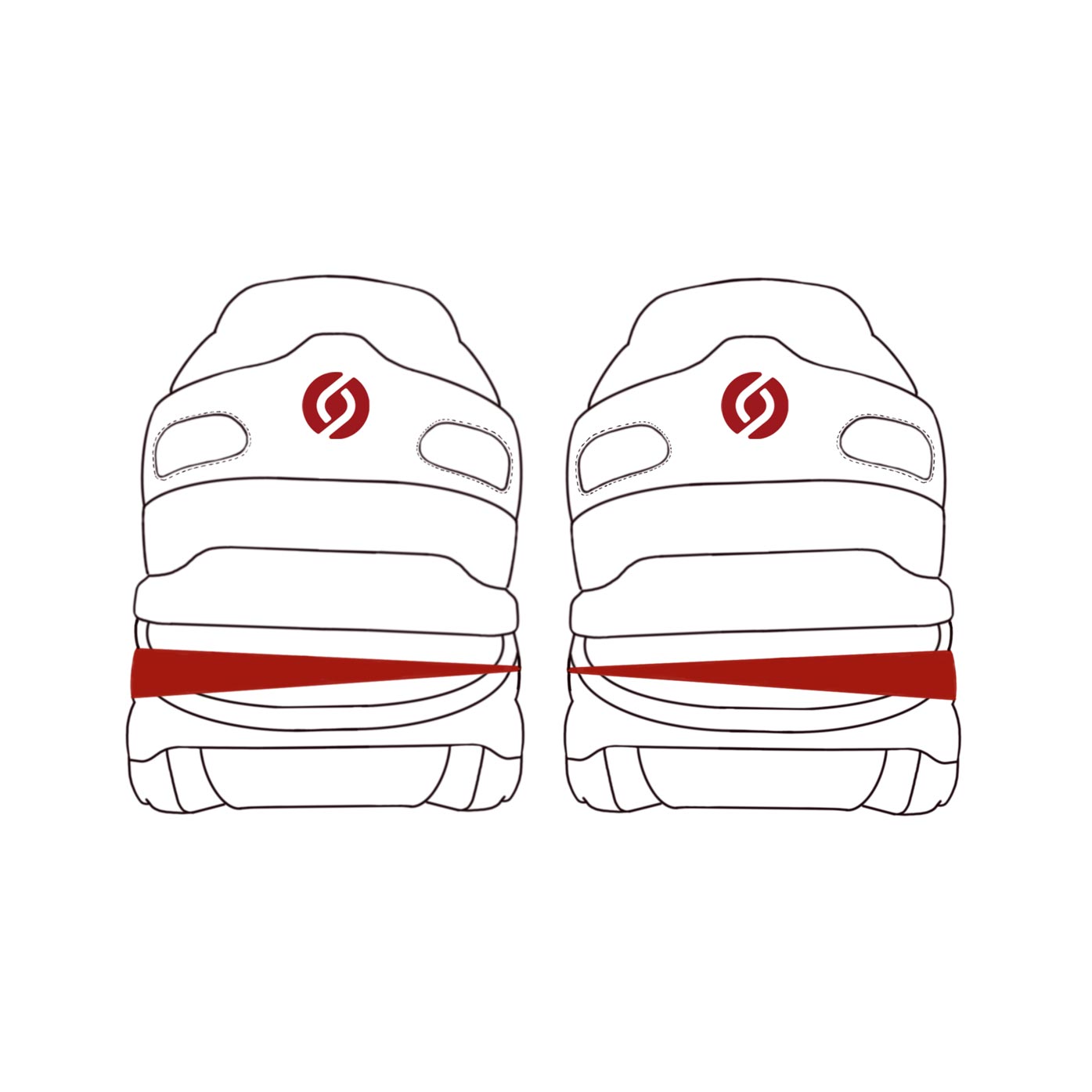
With this change, misalignments of the knee joints (O- and X-legs) can be compensated for (strong run-off of the inner or outer edge of the foot). The knees are corrected so that they are straight again.

In principle, the following applies:
Shoe elevations of up to 30 mm in the heel and up to 10 mm in the ball of the foot are possible. The manufacturing instructions according to which the modification of the safety shoe must be carried out can be found here:
Insoles:Private or orthopaedic insoles
Wearing private, non-certified insoles is not permitted. As a result, the safety shoe loses its certification and therefore its insurance cover under the Occupational Health and Safety Act. Therefore, make sure that you only wear certified, orthopaedic insoles in your safety shoes.
Here you will find an overview of all certified insoles:
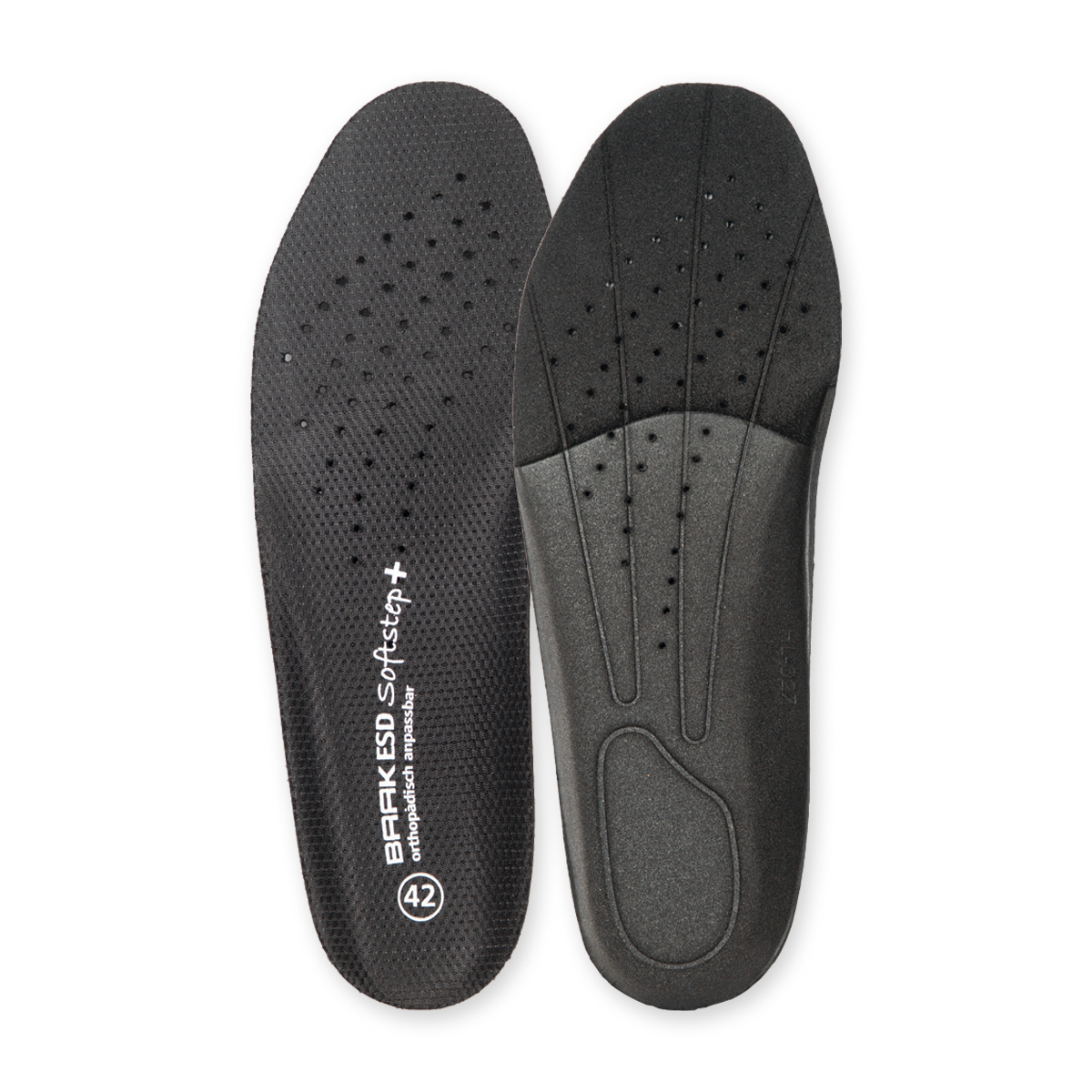
ESD Softstep+ insoles
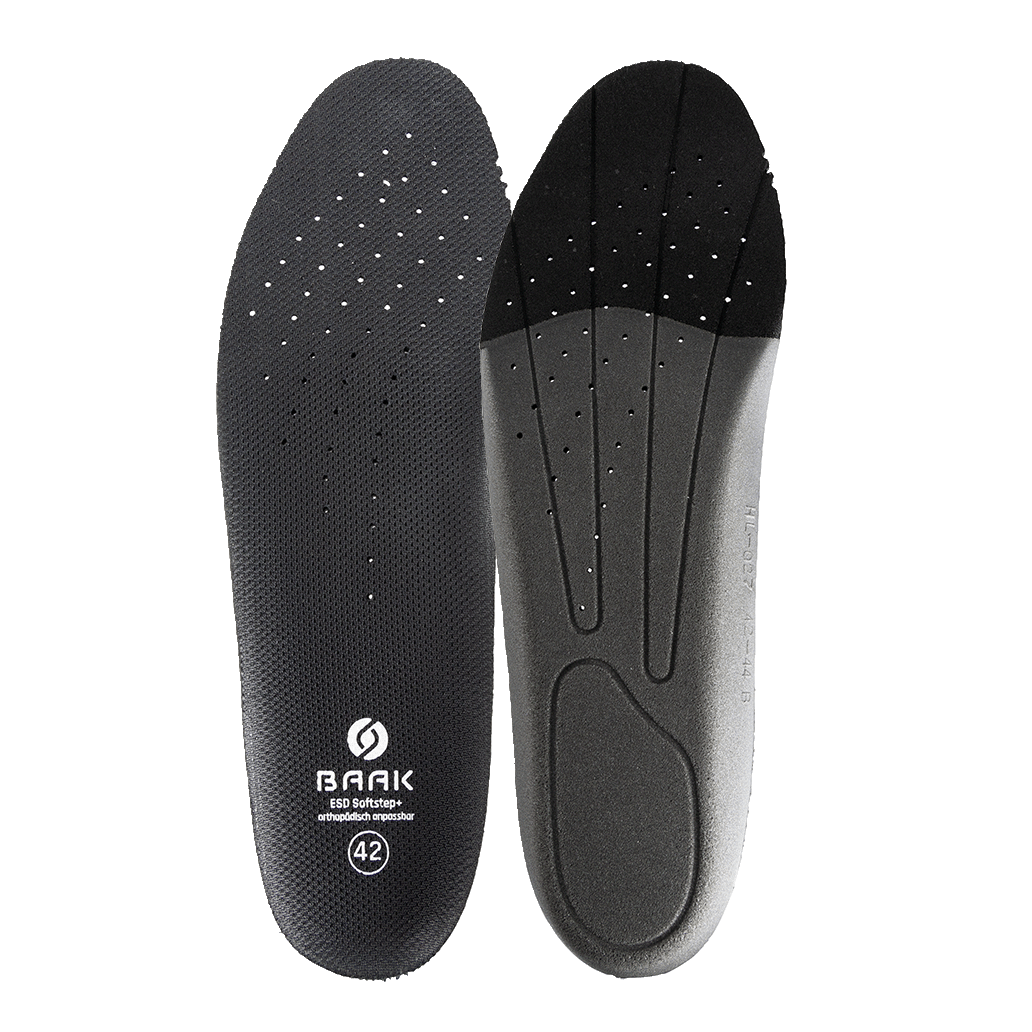
The BAAK ESD Softstep+ insole is already integrated into the shoe as standard in many BAAK models. Of course, it is also available as an accessory for men's and women's shoes in two widths. The BAAK ESD Softstep+ insole adapts to the foot with its light joint support and enables more stable walking thanks to the integrated ball heel. Soft PU foam ensures comfortable cushioning and optimum breathability for dry feet.
breathability for dry feet. This insole is certified in accordance with DGUV 112-191 and the Austrian ÖNorm Z 1259 and is therefore orthopaedically adaptable if the BAAK production instructions are followed. Your orthopaedic specialist store can make slight orthopaedic adjustments, such as heel elevation and inner and outer edge elevations, directly on the insole.
The insole is completely conductive, even after customization, and is therefore also the ideal solution for ESD shoes.
ESD Orthostep+ medic
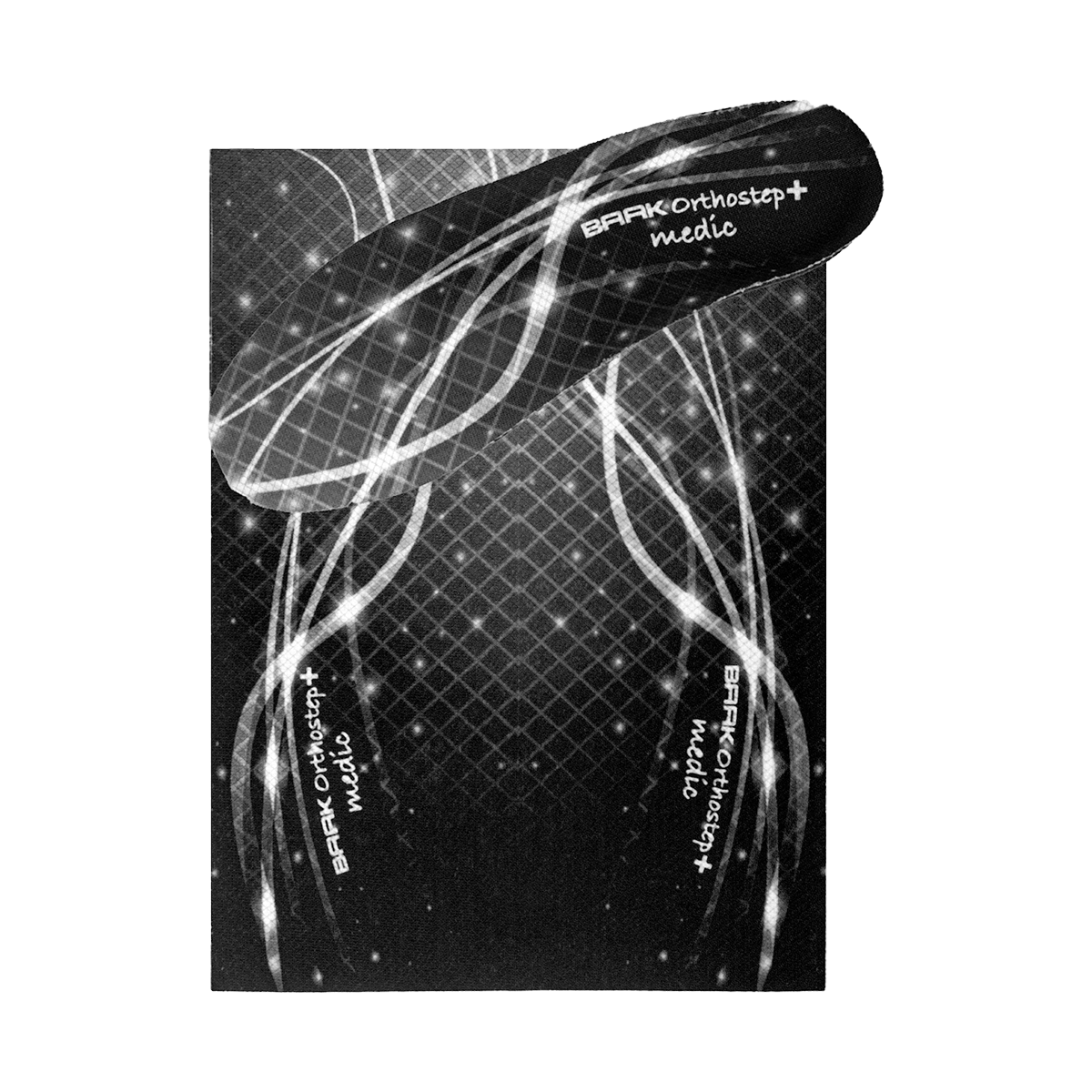
With a custom-made insole from BAAK Orthostep+ medic, you can reduce painful changes in the foot structure (e.g. heel spur, plantar fasciitis, flat splayfoot) or get to grips with problems caused by incorrect loading.
Custom-made insoles such as our Orthostep+ medic give you back your quality of life and enable you to enjoy your everyday life without pain. Our Orthostep+ medic is available from your orthopaedic specialist store or from us on site.
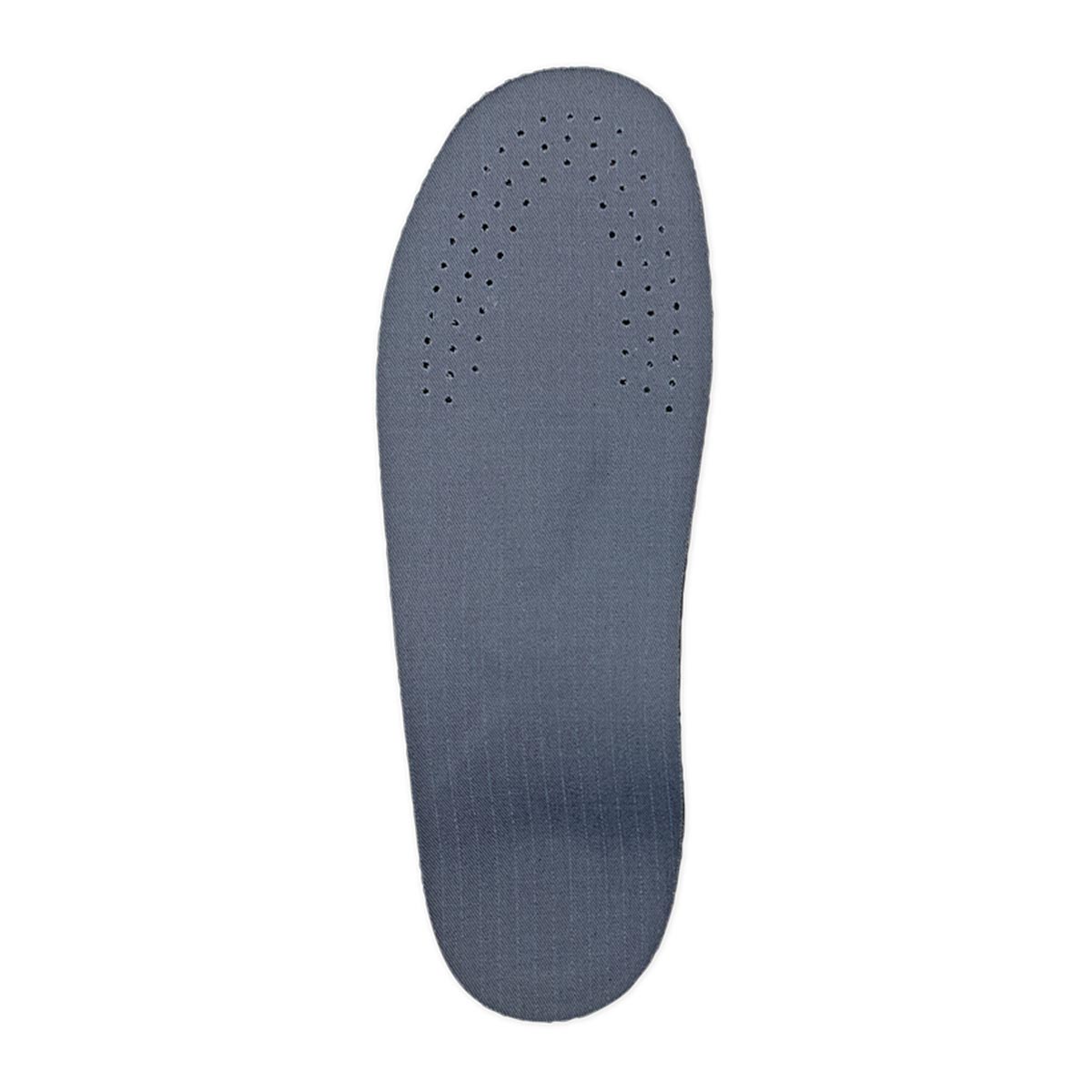
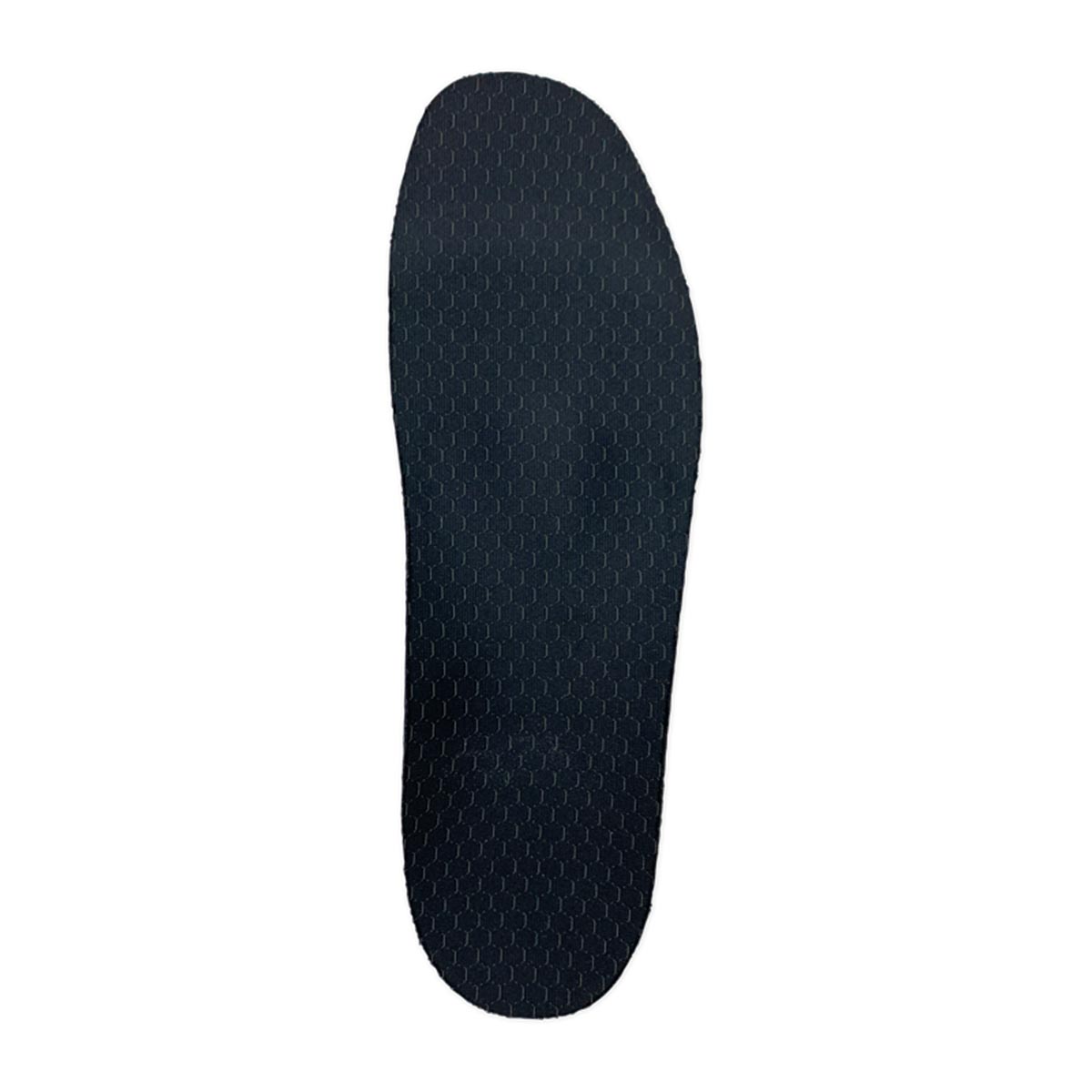
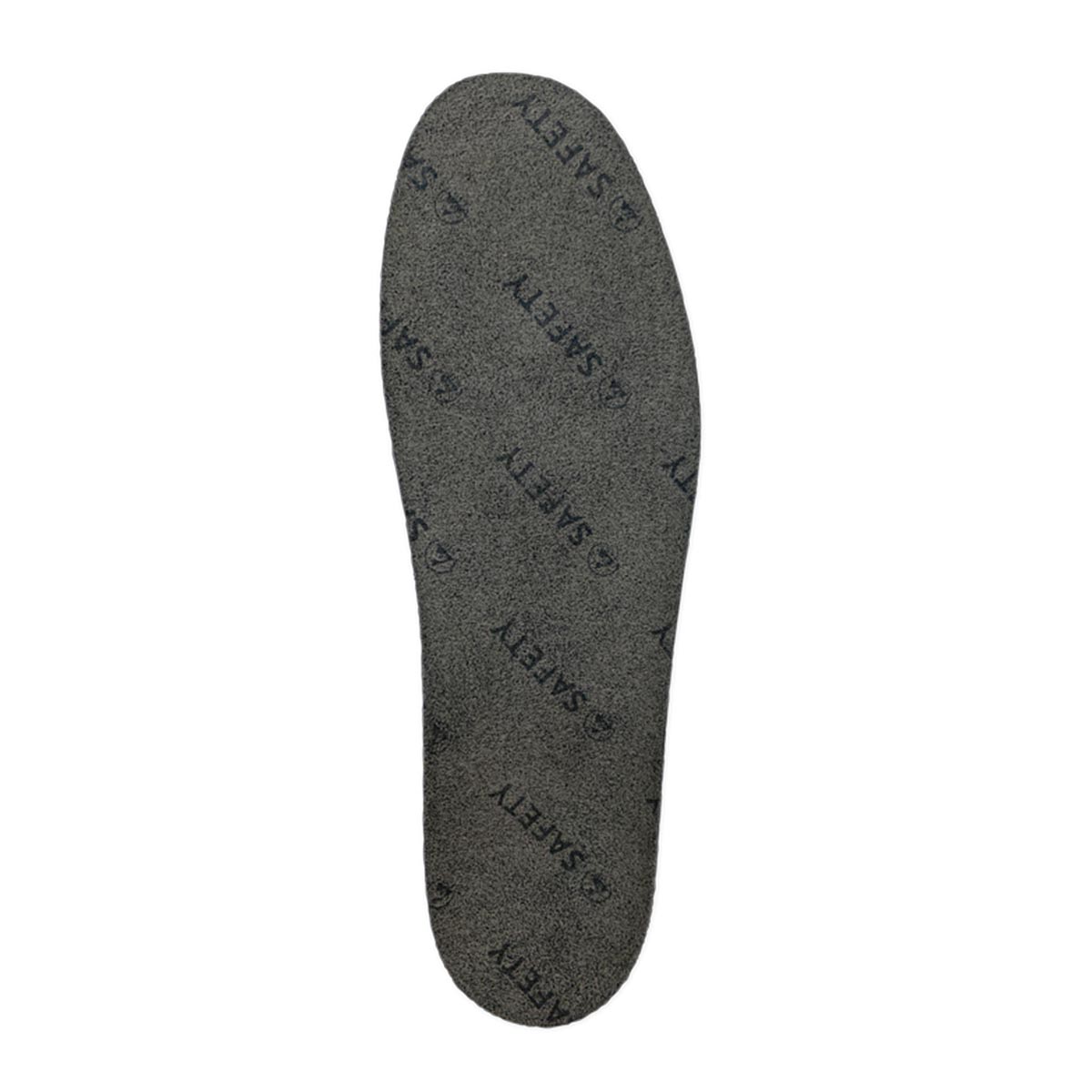
Comfort AS
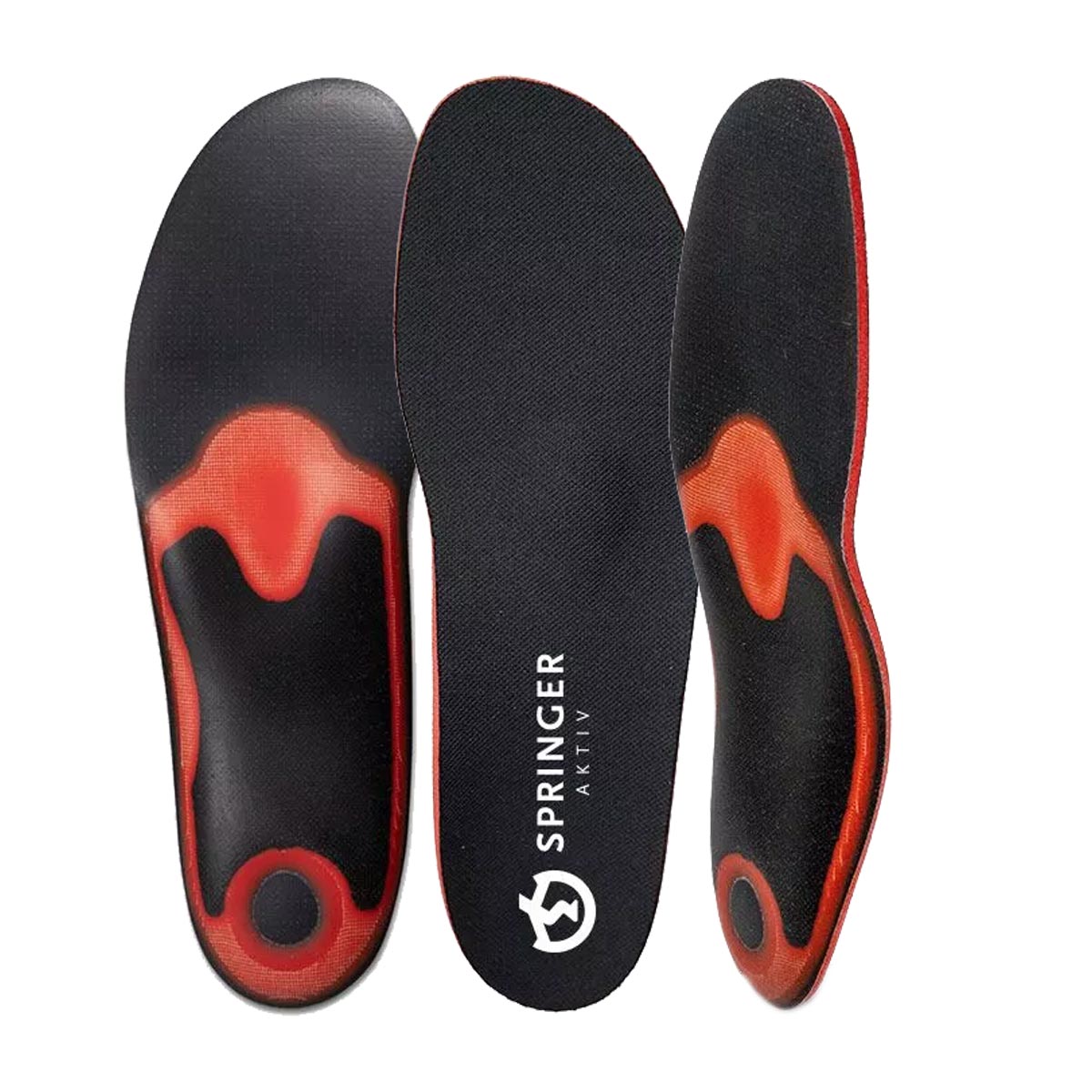
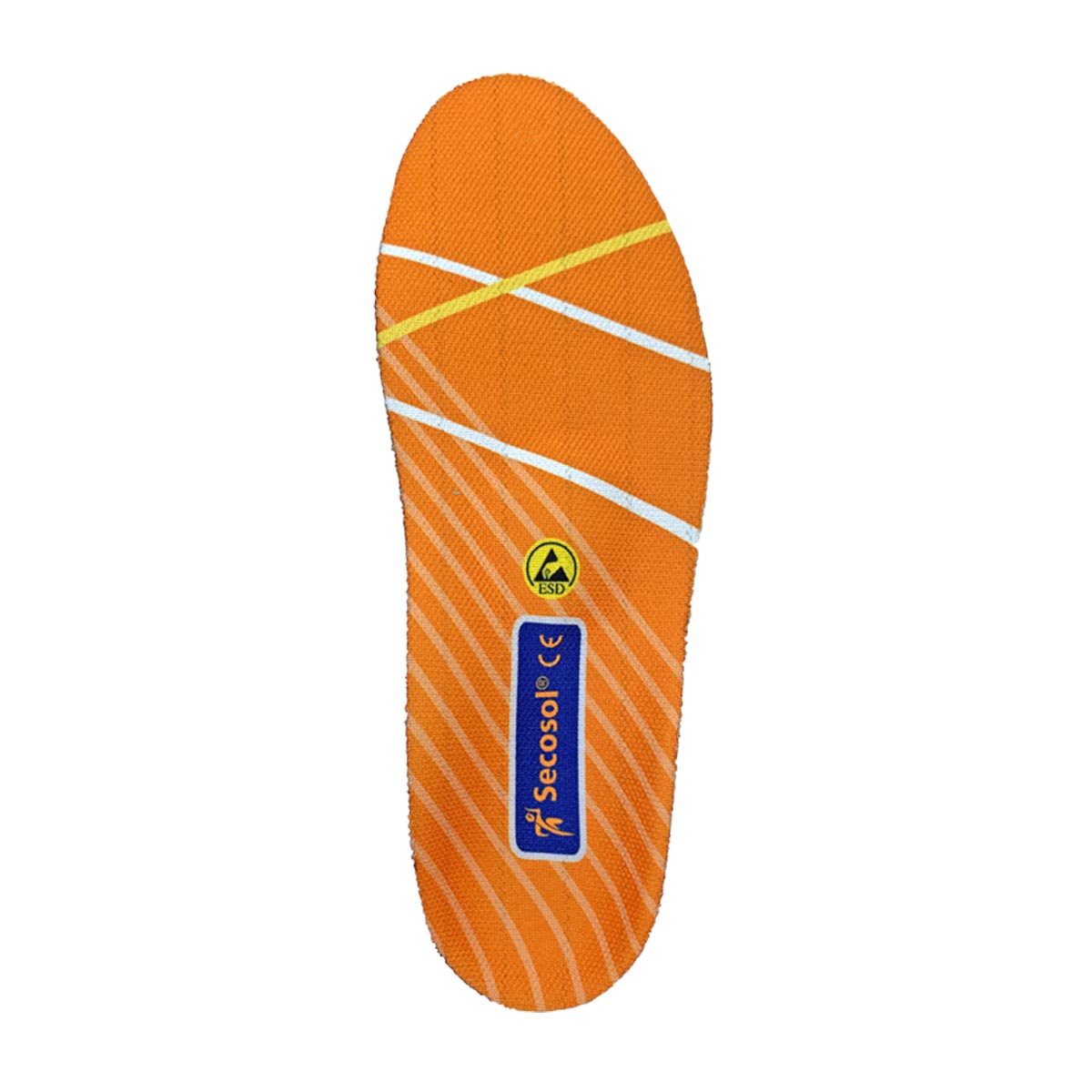
Possible cost units
Cost coverage for orthopaedic insoles and shoe fittings
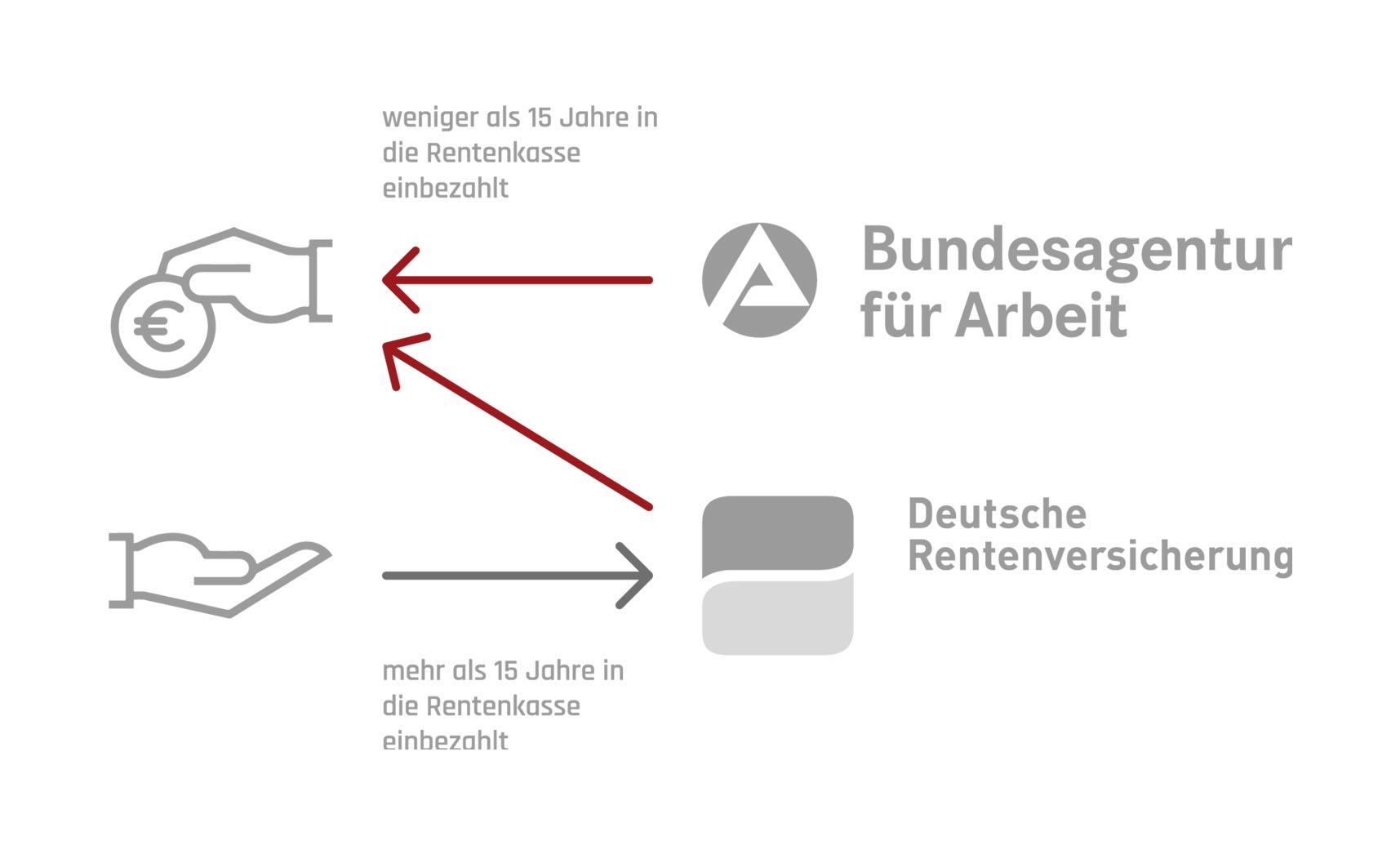
You can be reimbursed for the costs of orthopaedic shoe fittings and individual insoles. As a rule, the Federal Employment Agency will pay for these services. If you have already paid into the pension fund for more than 15 years, the pension insurance is responsible for covering the costs.
We have compiled an overview of the forms you need to submit for the application below.
Components of the application:
☑ Application for benefits for participation (form G 100)
☑ Application for employment history (form G 130)
☑ Employer's certificate of necessity for safety shoes
☑ Medical report (diagnosis/prescription)
☑ Cost estimate from the orthopaedic specialist store
If you have any further questions about applying for your orthopaedic insoles, please contact an orthopaedic specialist near you.
Orthopaedic insoles & shoe fittings
Orthopaedic modifications in accordance with DGUV rule 112-191
You can find more information on orthopaedic foot protection in the flyer.
An overview of all orthopaedic modifications for safety shoes from Baak.