

How Often Should You Replace Your Safety Shoes? The Complete Guide to Greater Safety in the Workplace
How often should safety shoes be replaced?
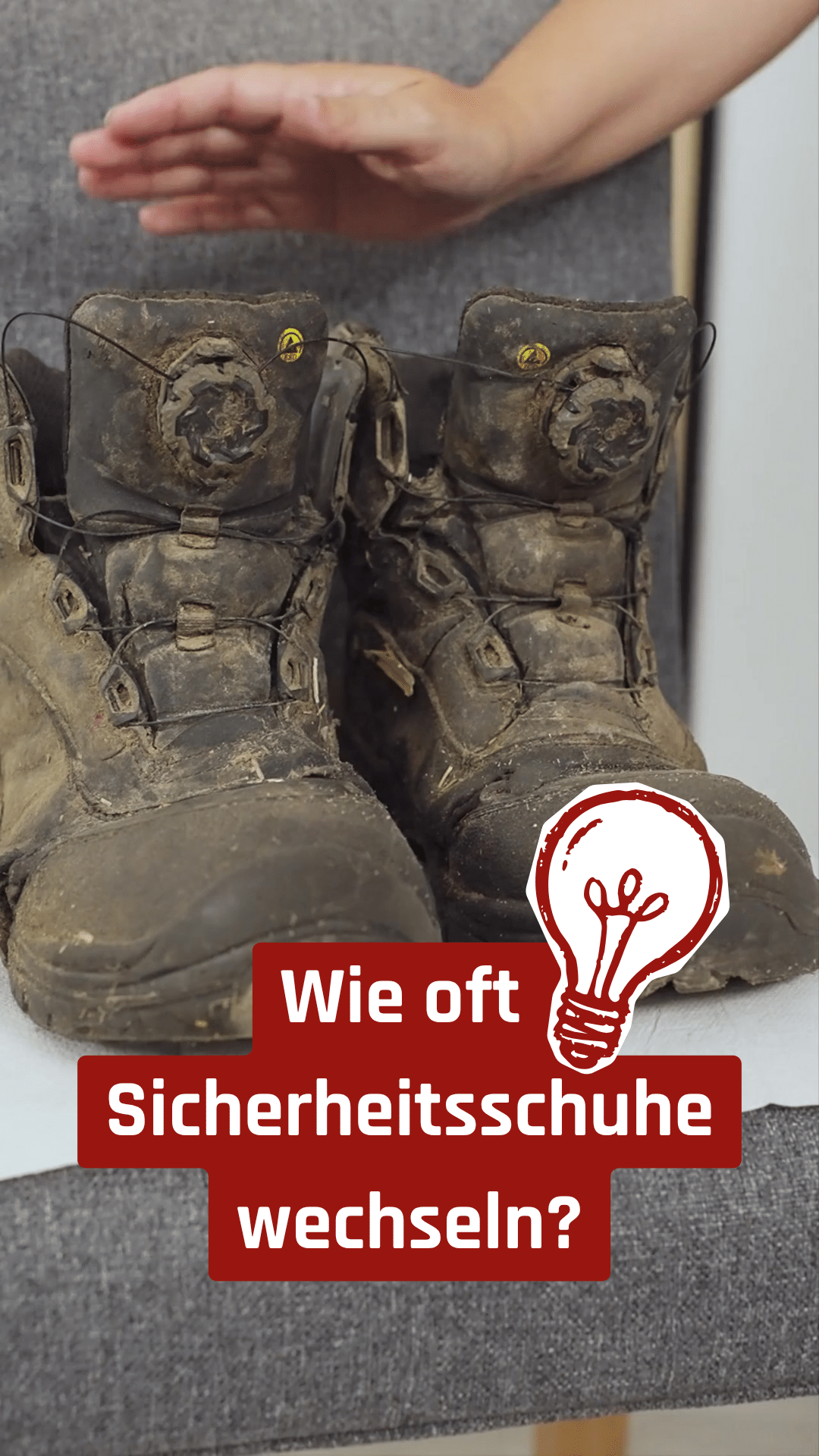
Safety shoes should not be replaced after a fixed period of time, but rather based on usage, the work environment, and wear and tear. On average, their service life ranges from 6 to 24 months. If damage is detected to the sole, toe cap, upper, or cushioning, safety shoes should be replaced with new pairs immediately. Regular visual inspections increase safety and extend the shoes’ service life.
Why is it so important to replace safety shoes regularly?
Safety shoes are part of personal protective equipment (PPE) and protect millions of workers from injuries every day. Whether in the trades, industry, construction, logistics, or warehousing—without proper safety shoes, the risk of accidents increases significantly.
Many employees are therefore asking themselves:
How often should safety shoes be replaced?
There is no one-size-fits-all answer. The actual service life depends on numerous factors:
- daily wear time
- Work Environment
- Material Quality
- Care
- Stress
- Weather conditions
While shoes used in an office warehouse with occasional walking cause hardly any wear and tear, shoes on a construction site are subjected to daily stress from moisture, dirt, heavy loads, and sharp-edged materials.
The greater the wear and tear, the sooner safety shoes need to be replaced.
Guidelines for Changing Shoes
How often should you replace your safety shoes?
On average, the following guidelines apply:
| Usage | Replacement Interval |
|---|---|
| daily construction site | 6–12 months |
| Industry | 9–15 months |
| Logistics | 12–18 months |
| occasional use | up to 24 months |
These values are for guidance only. The actual condition of the shoes is always the deciding factor.
Even a shoe that's only six months old can be unusable if:
- the outsole is heavily worn,
- the damping has decreased,
- the toe cap has come loose,
- the upper is torn,
- the shoes were constantly damp.
Conversely, high-quality safety shoes can remain usable for much longer if they are properly cared for. You’ll find a concise checklist further down on this page.
Identifying Wear and Defects
How can you tell if safety shoes are new or need to be replaced?
It is not the age of the part that determines whether it needs to be replaced, but its condition. Typical signs of wear include:
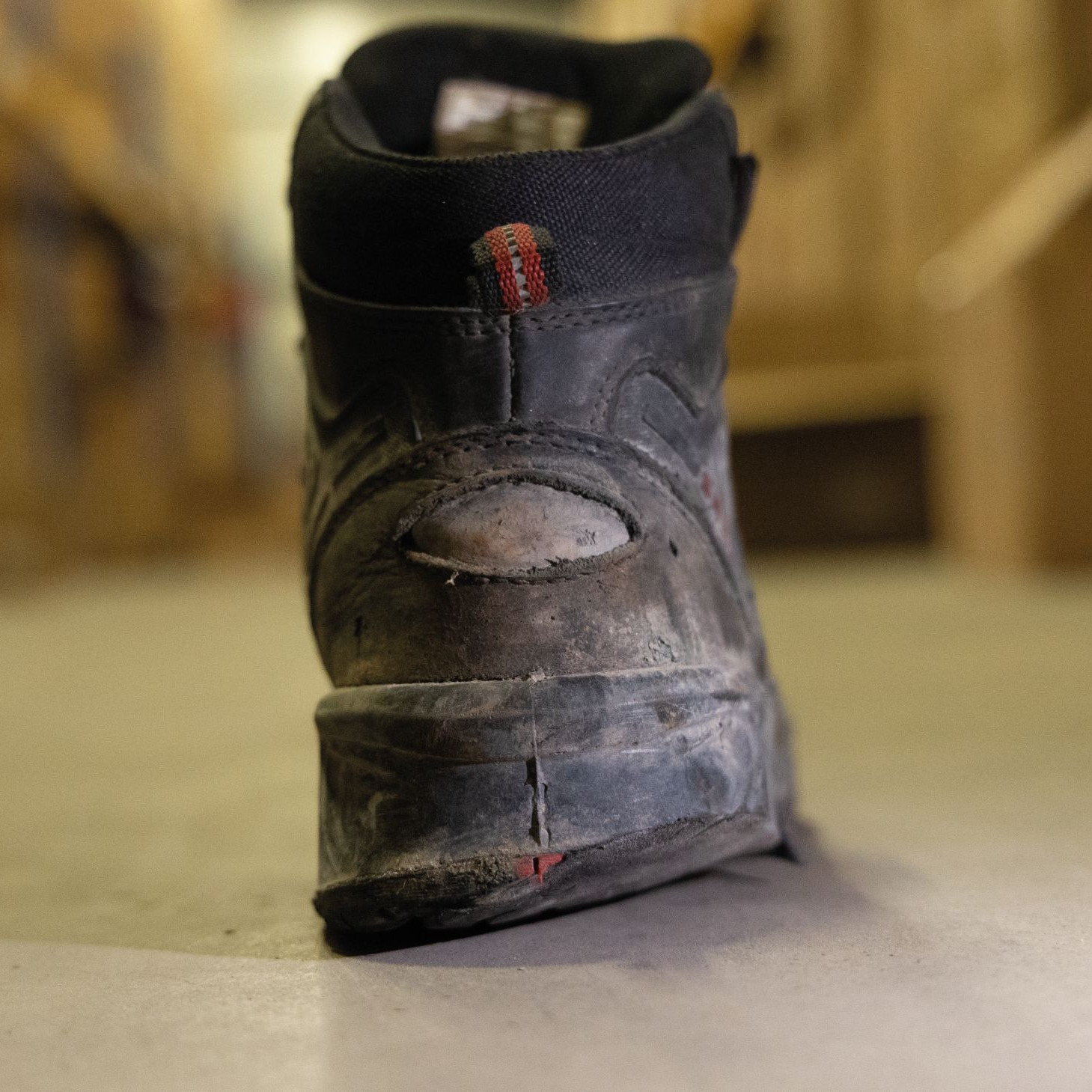
Worn-out outsole
If the tread is barely there, the slip resistance decreases significantly.
This significantly increases the risk of accidents, especially on wet roads.
Defective Seams
Open seams not only reduce comfort but can also weaken the entire structure.
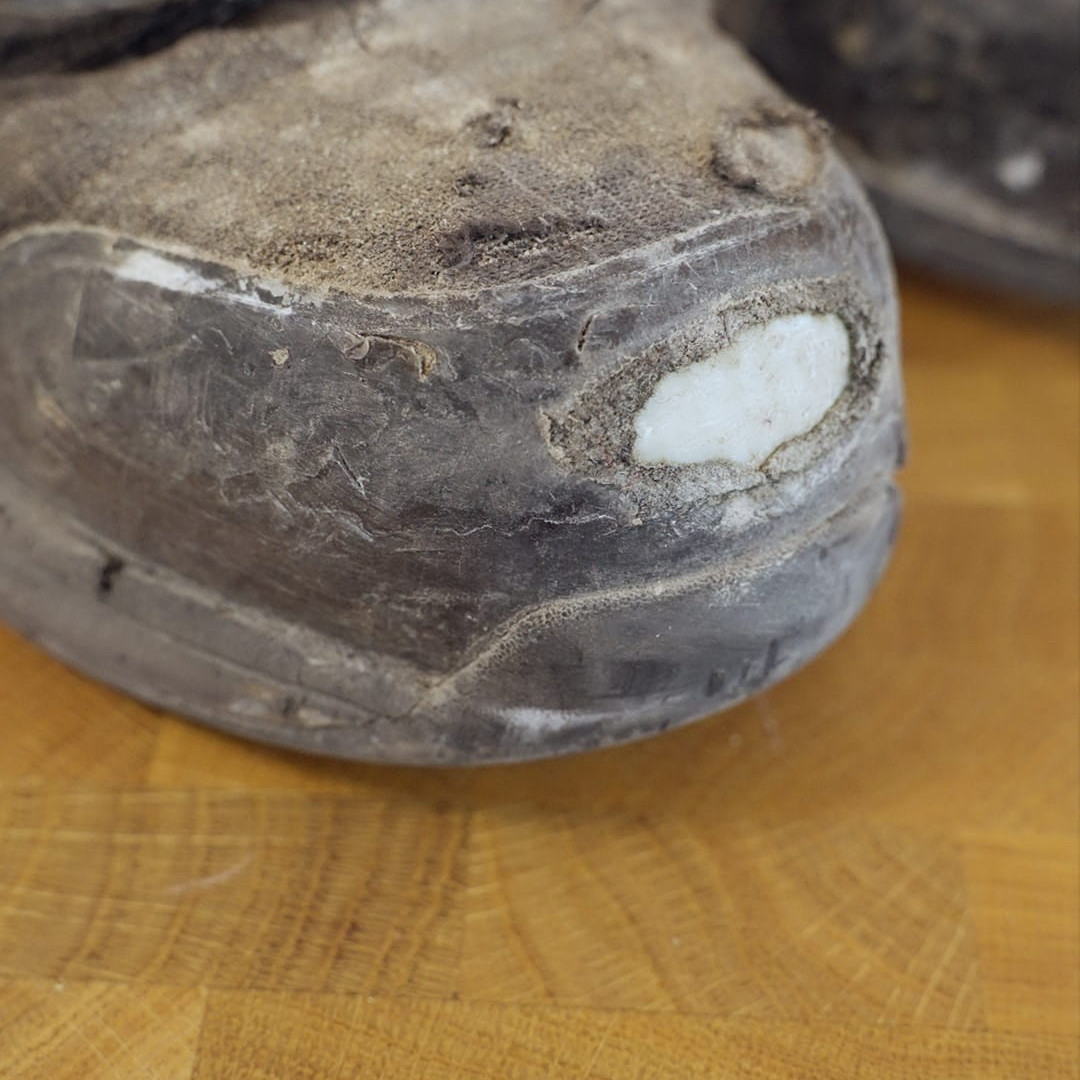
Damaged toe cap
Deformations or visible damage impair the protective effect.
Safety shoes should always be inspected after being subjected to strong impacts.
Poor damping
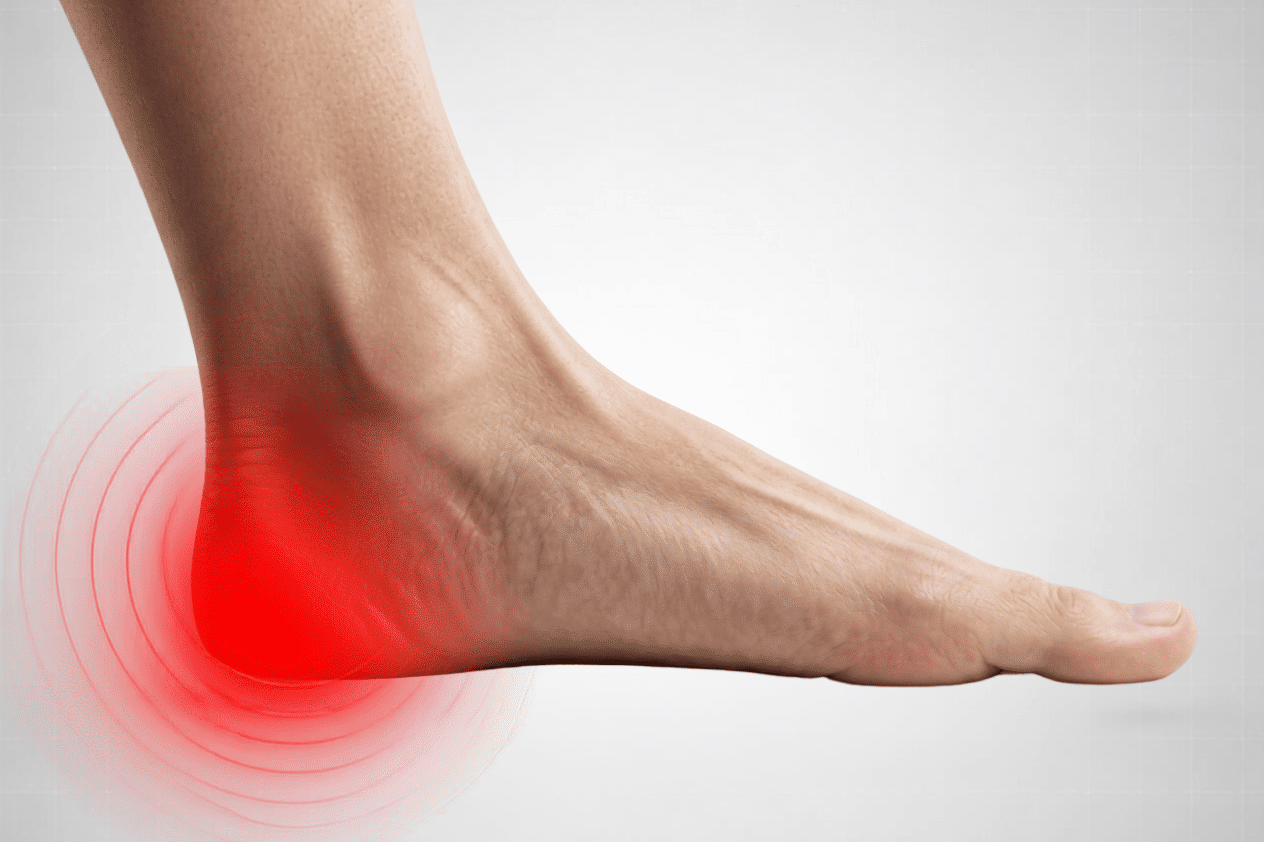
If employees feel every step much more strongly than they used to, it often means that the midsole has lost its function.
Over the long term, this increases the strain on the joints and back.
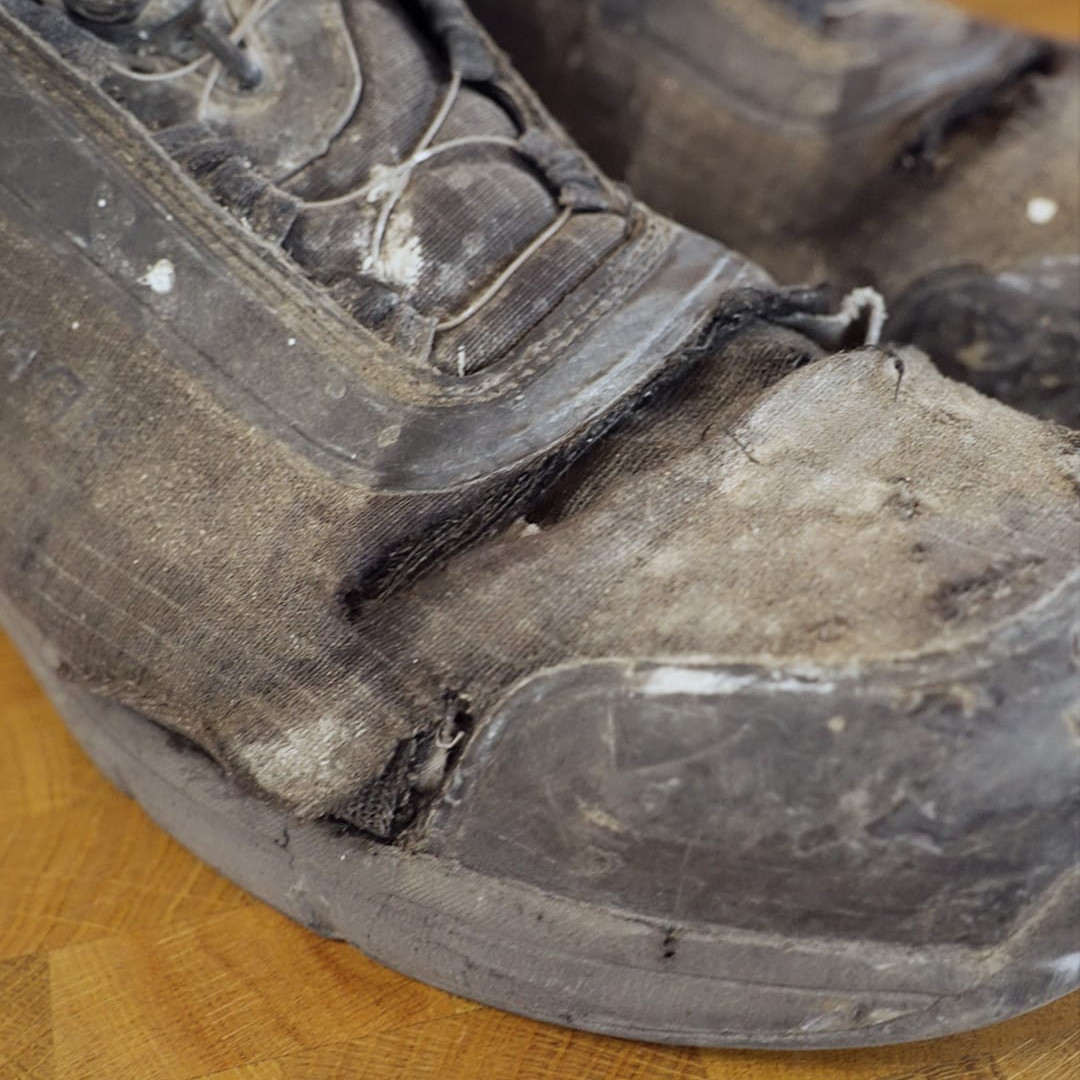
Cracks in the upper material
Even small cracks can allow moisture or foreign objects to penetrate.
As a result, many materials lose their stability and, consequently, their protective properties.
Good to Know
What factors affect the lifespan of safety shoes?
People who wear their safety shoes for eight to ten hours a day put significantly more strain on the material and cushioning than those who wear them only occasionally.
After several million steps, every midsole loses its shock-absorbing properties.
The back, knees, and joints, in particular, benefit from replacing shoes in a timely manner.
The environment plays a major role in determining how long safety shoes last.
The following are particularly stressful:
- Construction Sites
- Chemical Plants
- Metal Industry
- Road Construction
- Agriculture
- Recycling facilities
Moisture, oils, chemicals, and high temperatures cause permanent damage to materials.
Not all safety shoes are the same.
High-end models often feature:
- sturdy leather
- abrasion-resistant soles
- high-quality PU or rubber compounds
- breathable membranes
- Durable seams
Inexpensive models often wear out much faster.
A higher purchase price can therefore pay off in the long run.
If you take good care of your safety shoes on a regular basis, you'll significantly extend their lifespan.
These include:
- Removing Dirt
- Caring for Leather
- Let the shoes dry completely
- Changing Insoles
- Use shoe trees
- Do not use direct heat to dry
Even simple care measures can extend the shelf life by several months.
Body weight also affects wear and tear.
The greater the force exerted on the midsole, the faster it loses its cushioning.
This, in turn, increases the burden on:
- Feet
- Knee
- Hip
- Back
How can you extend the lifespan of safety shoes?
Even high-quality safety shoes benefit from proper care. With just a few simple steps, you can significantly extend their lifespan.
Care for Leather Regularly
Leather will only stay supple if it is cared for regularly.
If the material dries out, the following occur more quickly:
- Cracks
- Material breaks
- Leaks
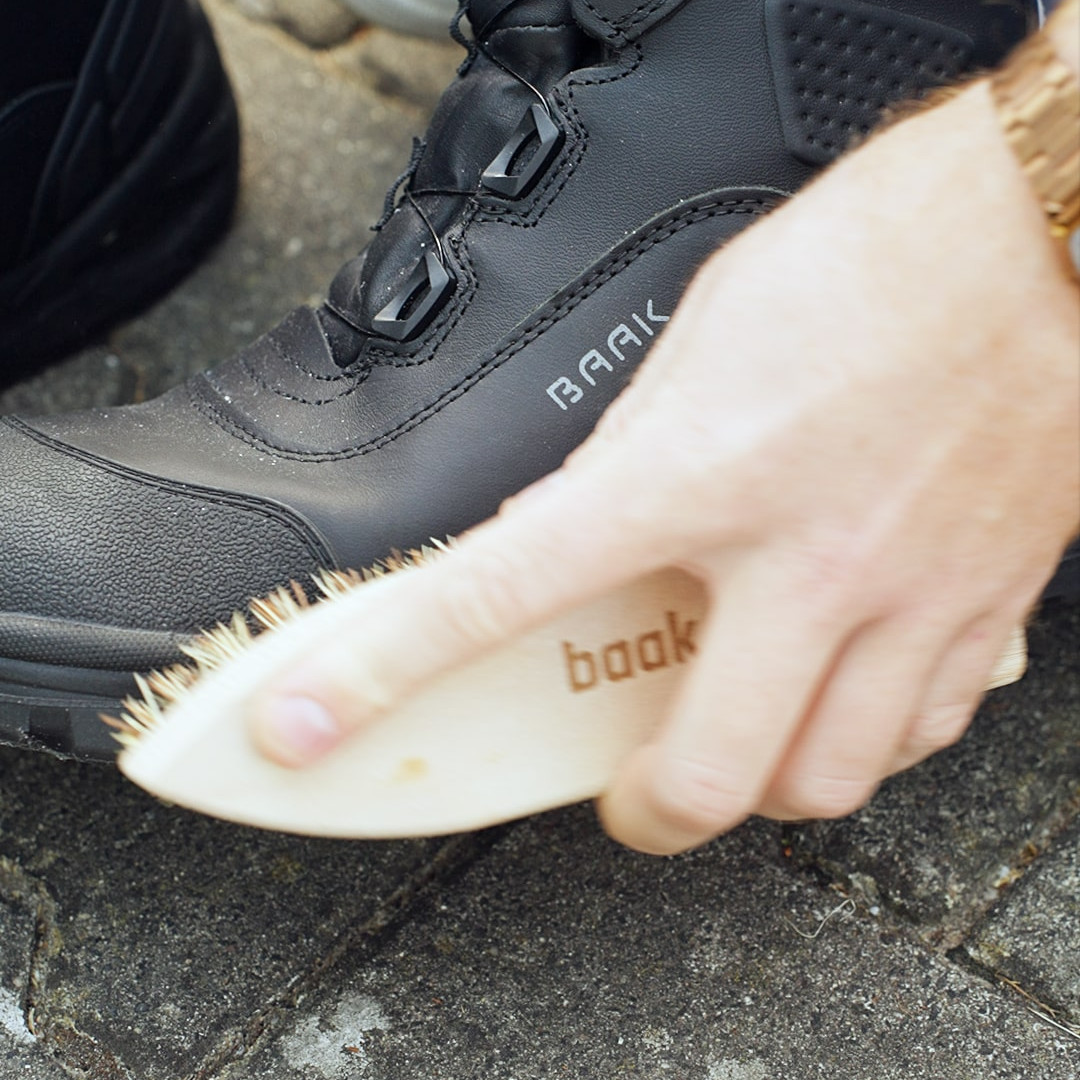
Clean your shoes every day
Dust, dirt, metal shavings, or chemicals cause permanent damage to materials.
Recommendation:
- brush off coarse dirt
- wipe with a damp cloth
- Let it dry completely
Never dry on the radiator
Wet safety shoes should not be put on immediately:
- Radiator
- Oven
- Fan Heater
High temperatures make leather brittle and can cause adhesive bonds to come apart.
Use two pairs of safety shoes
If you work every day, you'll benefit from having a second pair.
This allows the shoes to dry completely.
Advantages:
- less odor
- longer shelf life
- greater comfort
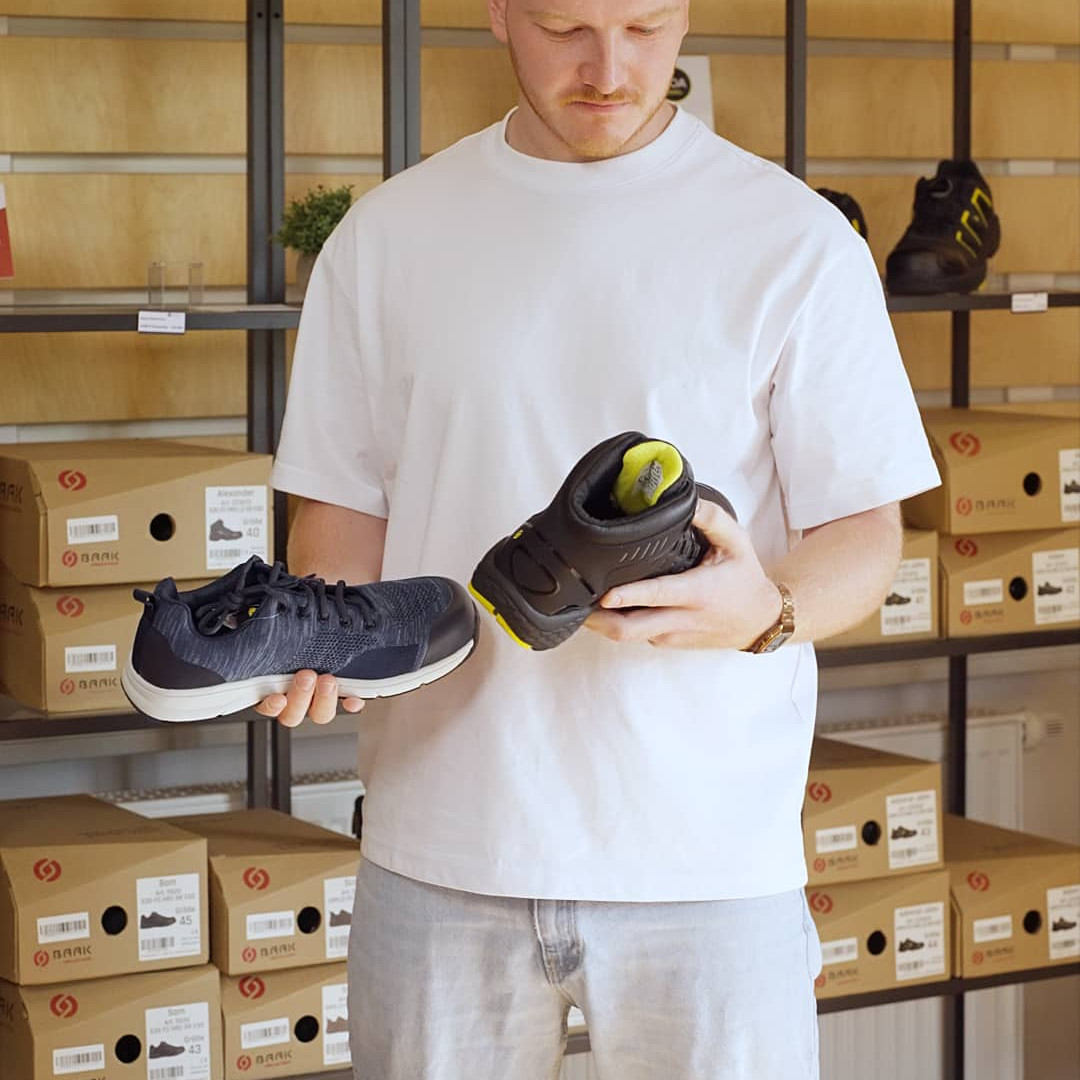
Replace insoles regularly
Insoles lose their cushioning over time.
Replacing it early improves:
- Hygiene
- Comfort
- Foot comfort
The 5 Most Common Mistakes
Common Mistakes When Wearing Safety Shoes
Not only does protection suffer, but your body does too when your gear doesn't fit properly.
Possible consequences include:
- Pressure marks
- Bubbles
- Back Pain
- Knee Problems
- faster material fatigue
You can find more information about finding the right fit here.
Harsh cleaning agents can damage materials.
Warm water and appropriate care products, such as a cleansing foam, are usually all you need.
Even a small tear can quickly become a safety hazard. Your feet may no longer be adequately protected!
A smooth outsole without sufficient tread significantly increases the risk of slipping—and thus also the risk of accidents.
Moisture causes damage:
- Leather
- Seams
- Damping
- Inner material
Besides, when your feet are wet, you won't have a secure grip in your shoes anymore.
Occupational Safety and Health Act, Section 3
Why isn't there a legally mandated requirement to switch providers?
Many people are looking for a legal requirement specifying how often safety shoes must be replaced. In fact , there is no general legal deadline.
The reason is simple: Every workplace has different requirements.
A roofer, for example, puts much more strain on his shoes than an employee in a shipping warehouse.
That is why employers focus on:
- Risk Assessments
- Visual Inspections
- Manufacturer's Specifications
- Occupational Safety Guidelines
Safety shoes must be replaced as soon as their protective function is compromised.
So it's not age that determines whether a part is replaced, but safety.
Coverage of Costs
Who is responsible for the exchange?
A frequently asked question is: Who is responsible for providing new safety shoes—the employer or the employee?
As a general rule, if safety shoes are required as personal protective equipment (PPE) as part of the risk assessment, the employer is obligated to provide appropriate safety shoes. The employer must also ensure that these shoes fulfill their protective function at all times.
In practice, this means:
- Safety shoes must meet the requirements of the specific workplace.
- Damaged or worn-out models must be replaced in a timely manner.
- Employees should regularly check their shoes for visible defects and report any damage immediately.
Although there is no fixed legal replacement interval, PPE must never be used if its protective effectiveness is compromised.

Checklist
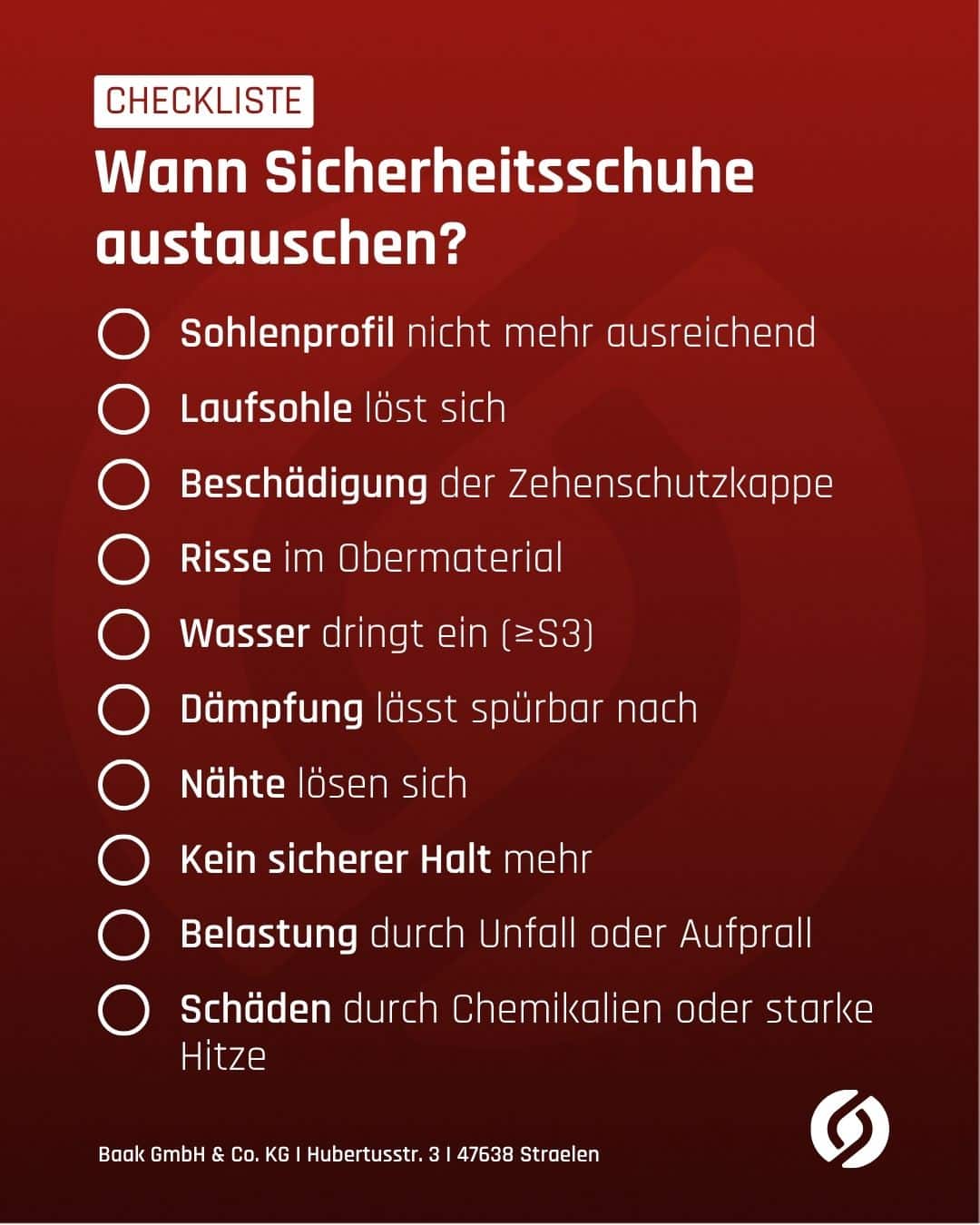
When should safety shoes be replaced?
✔ The sole is clearly worn down.
✔ The outsole is coming loose.
✔ The toe cap is damaged.
✔ The upper has cracks.
✔ Water gets into the shoe.
✔ The suspension has noticeably lost its effectiveness.
✔ Seams are coming apart.
✔ The shoe no longer fits securely.
✔ Chemicals or intense heat have damaged the material.
✔ The shoes were subjected to stress due to a serious accident or a strong impact.
Conclusion
Conclusion: How often should safety shoes be replaced?
There is no one-size-fits-all answer to the question , “How often should safety shoes be replaced?” The actual condition of the shoes is much more important than a fixed replacement interval. Worn-out soles, damaged toe caps, tears in the upper material, or reduced cushioning are clear signs that the shoes need to be replaced.
Regular visual inspections, careful maintenance, and choosing high-quality safety shoes are key to maintaining their protective properties over the long term. Replacing your shoes in a timely manner not only protects your feet but also reduces the risk of workplace accidents and long-term strain on your joints and back.
Summary at a Glance
- How often should you replace safety shoes? On average, every 6 to 24 months, depending on use and wear and tear.
- It's not the age that matters, but the condition of the shoe.
- Replace damaged safety shoes immediately to ensure they continue to provide protection.
- Regular maintenance and inspections extend the service life.
- High-quality safety shoes often offer greater comfort and a longer service life.
Other guide topics that might interest you:

Frequently Asked Questions
Frequently asked questions
There is no one-size-fits-all answer to this question. The key factors are wear and tear, usage, maintenance, and the work environment—not just the age of the shoes. On average, however, safety shoes should be replaced every 6 to 24 months.
As soon as the shoes show signs of damage or wear: when the outsole is worn down, cracks appear, the toe cap is damaged, or the cushioning has noticeably deteriorated.
Typical signs include:
- smooth soles
- damaged seams
- Cracks
- moisture penetration
- Lack of cushioning
- loose protective caps
If safety shoes are required by law as personal protective equipment (PPE), the employer is responsible for providing suitable PPE.
Yes. Regular cleaning, leather care, and proper drying can significantly extend the product's lifespan.