

Heel Pain: Causes, Symptoms, and How Safety Shoes Play a Role
Those first steps in the morning hurt. After a few hours on a concrete floor, your heels are burning. Or your safety shoes are rubbing right where it’s already sore. Does this sound familiar? If so, you’re not alone.
Heel pain is one of the most common foot problems. It can affect people of all ages and is particularly common among those who stand or walk a lot for work. This includes, for example, workers in manufacturing, logistics, production, healthcare, and the trades.
The good news is that heel pain is usually not caused by a serious condition. However, you should take these symptoms seriously, because if left untreated, they can become chronic and limit your mobility in the long term.
In this guide, you'll learn about the possible causes of heel pain, why the pain often occurs in the morning, the role of safety shoes, and what steps you can take to alleviate it.
What is heel pain?
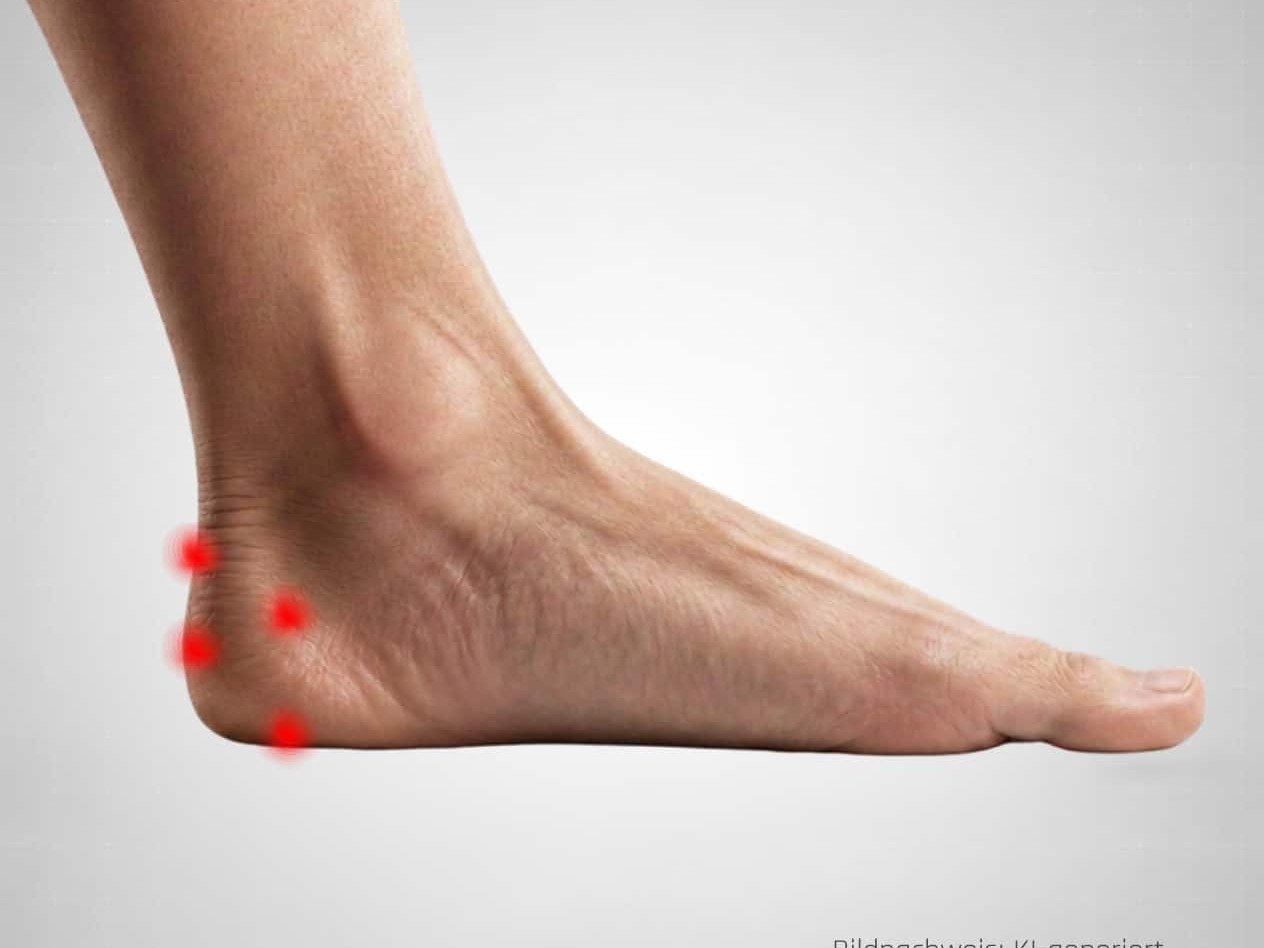
Heel pain refers to discomfort in the back of the foot. It can occur directly under the heel, on the back of the heel, or on the side of the heel.
The pain is often described as:
- sharp
- burning
- pulling
- dull
- pressure-sensitive
Many people with this condition describe the sensation as if they were stepping on a rock or even a nail. Others report a burning sensation after walking long distances or after a day’s work in safety shoes.
Depending on the cause, the symptoms may occur only during physical exertion or may persist throughout the day.
Where can heel pain occur?
The exact location of the pain often provides important clues as to its cause.
Common areas of pain include:
- Under the heel
- Back of the heel
- Inside of the heel
- Outside of the heel
- Transition between the heel and the Achilles tendon
Why is the heel particularly vulnerable?
The heel bears an enormous amount of stress with every step. It is usually the first point of contact with the ground and must simultaneously:
- Record body weight
- Absorbing Impact Forces
- Stabilize movements
- transfer the force to the forefoot
Even during normal walking, forces act on the heel that can be significantly greater than one’s actual body weight. If improper weight-bearing occurs as well, tendons, fascia, and muscles often respond with pain.
What role do muscles, tendons, and fascia play?
The heel is closely connected to several important structures:
- Plantar fascia
- Achilles tendon
- Calf muscles
- Bursae
- Arch of the Foot
If disruptions occur in this complex interplay, they can manifest directly as heel pain.
An Overview of the Causes of Heel Pain
Heel pain is not a disease in and of itself. Rather, it is a symptom that can have various underlying causes.
Plantar fasciitis—the most common cause of heel pain
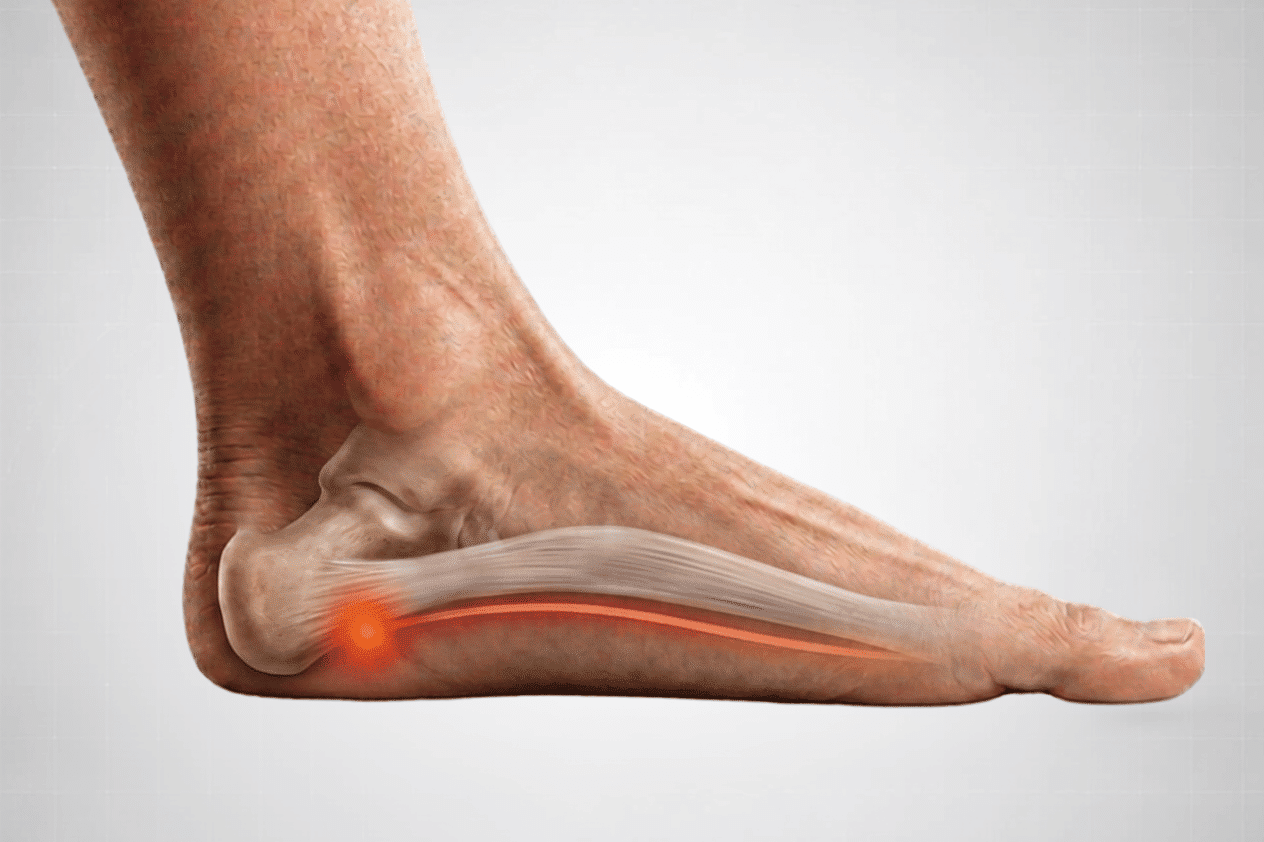
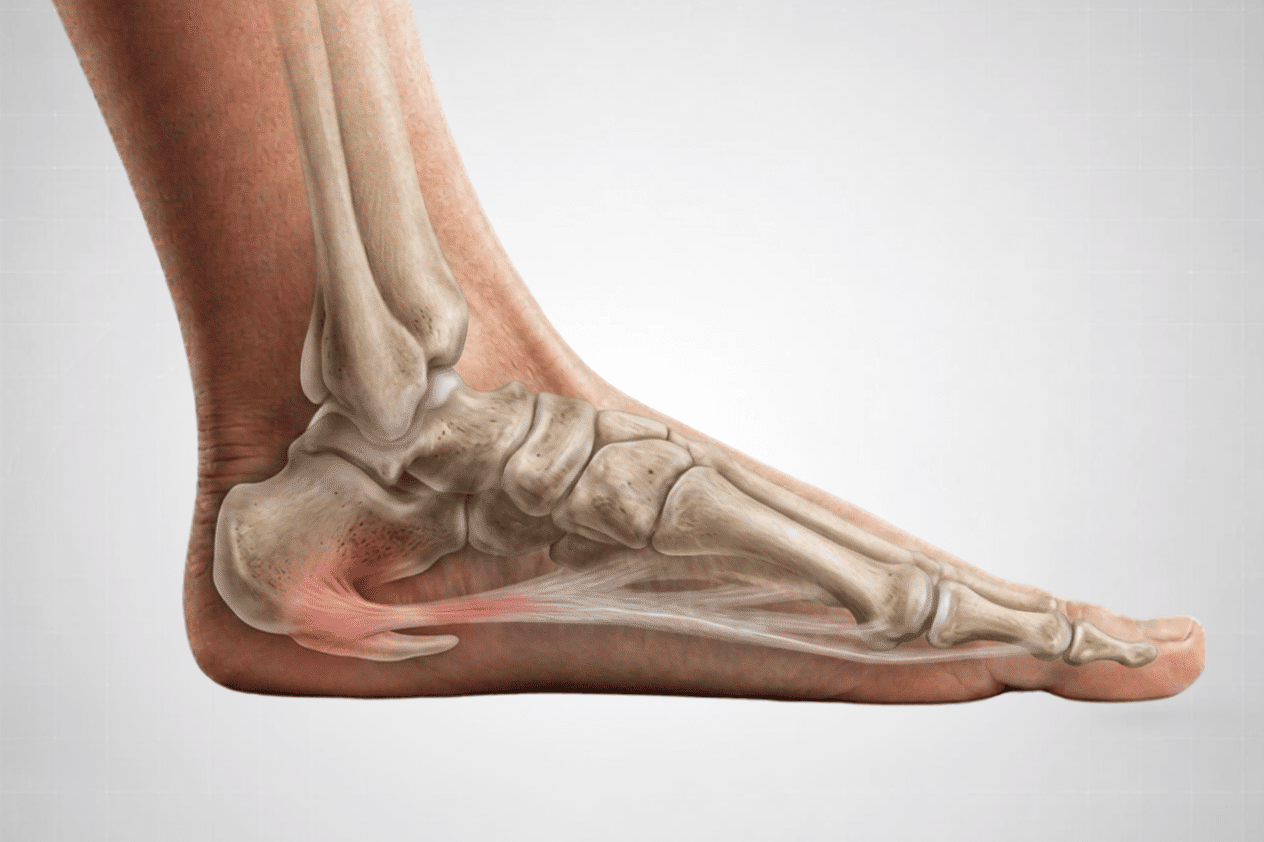
The most common cause of pain under the heel is a condition known as plantar fasciitis. The plantar fascia is a strong band of tissue on the sole of the foot. It connects the heel to the forefoot and supports the arch of the foot. When it is overloaded, small microtears develop, which can lead to pain. Typical symptoms:
- Pain under the heel
- Discomfort When Walking
- morning stiffness
- Pain when pressure is applied to the heel area
You can learn more about this in our in-depth guide on plantar fasciitis and heel spurs.
Achilles Tendon Problems
If the pain is located more toward the back of the heel, the Achilles tendon may be affected. Possible causes:
- Overload
- intense physical activity
- shortened calf muscles
- inappropriate footwear
heel spur
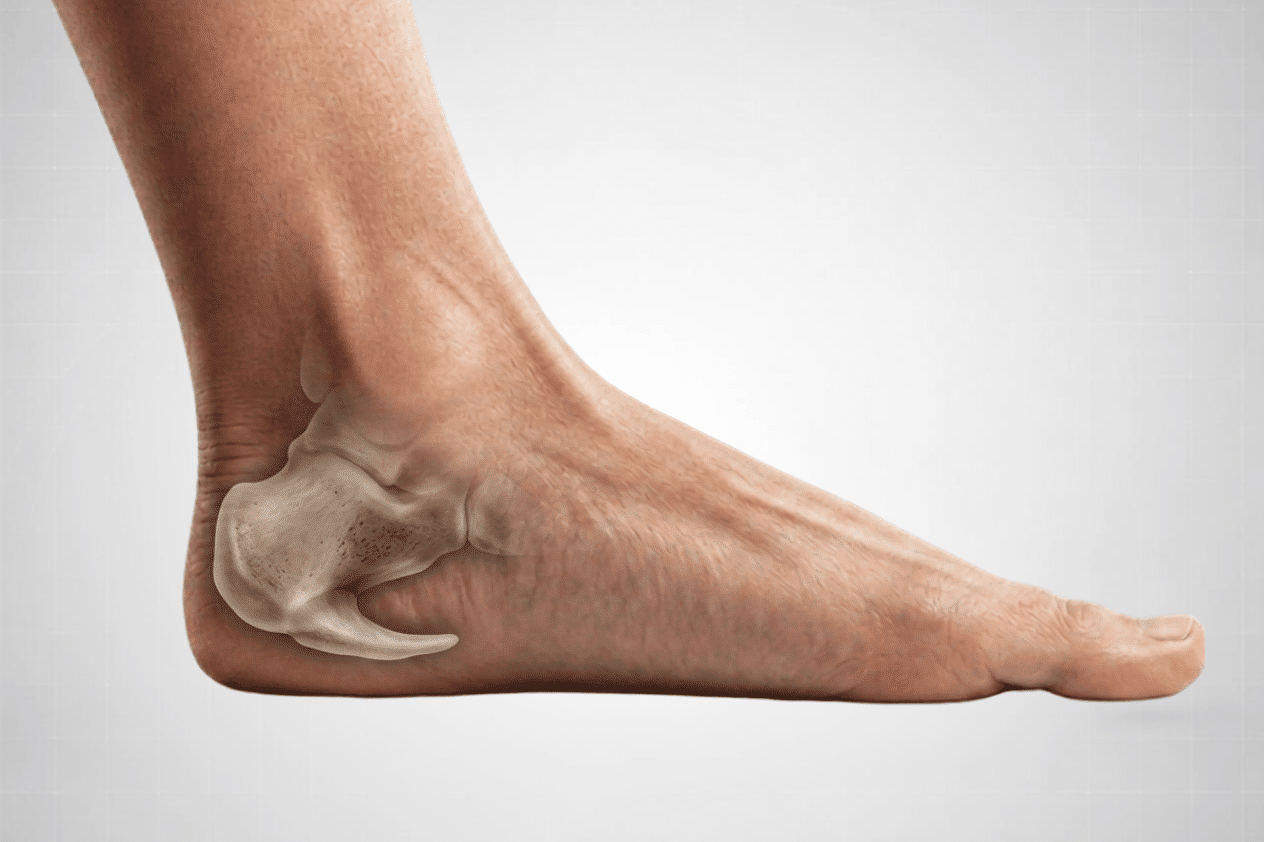
A heel spur is a bony growth on the heel bone.
Many people believe that the spur is automatically the cause of their symptoms. In fact, however, many people have a heel spur without ever experiencing pain.
Often, the pain is not caused by the bone spur itself, but by the irritated plantar fascia in the surrounding tissue.
Bursitis
There are several bursa in the heel area. They act as natural cushions between the tendons and bones. Pressure or friction can irritate them. Typical symptoms:
- Swelling
- Pain on pressure
- Overheating
- local redness
Foot deformity
Foot biomechanics can also contribute to heel pain. Possible misalignments:
Drop-foot
The longitudinal arch flattens, which increases the strain on the plantar fascia.
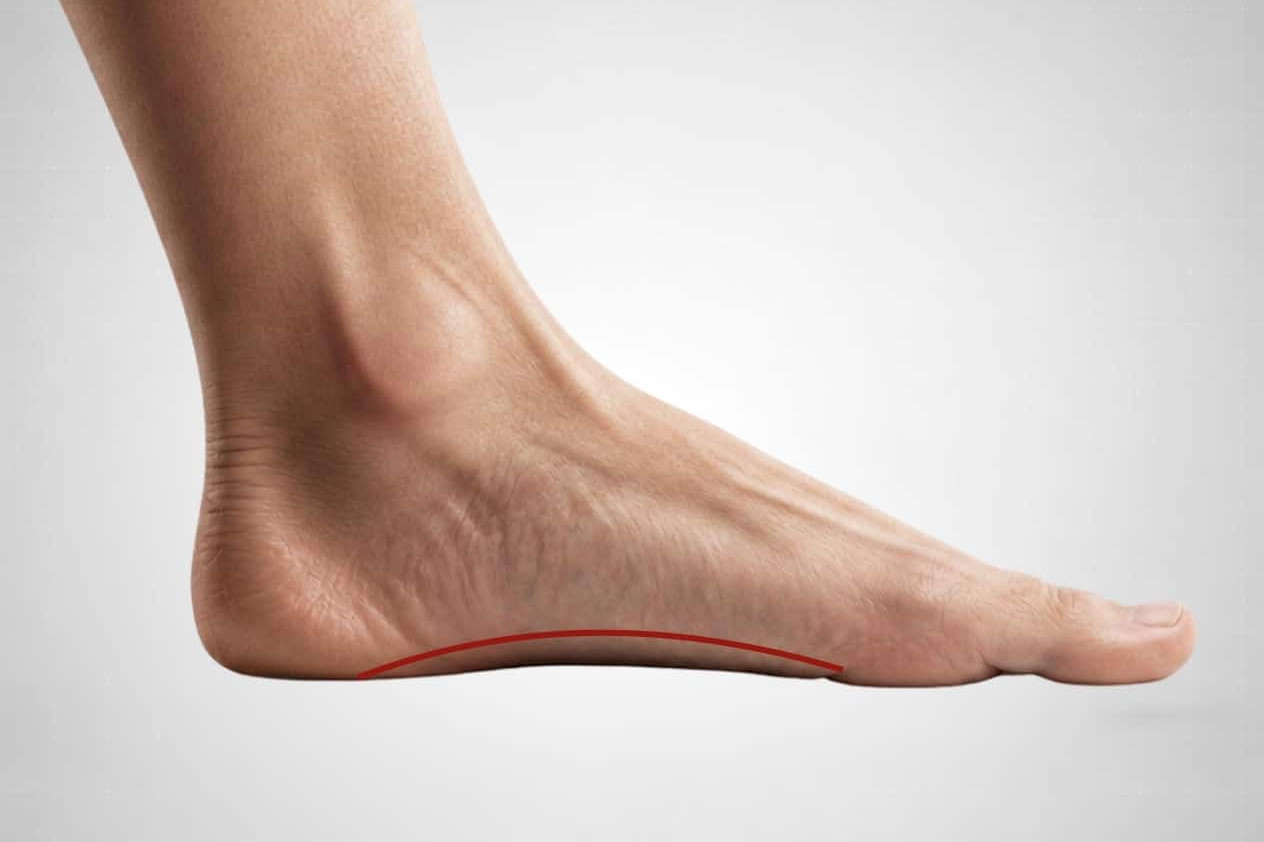
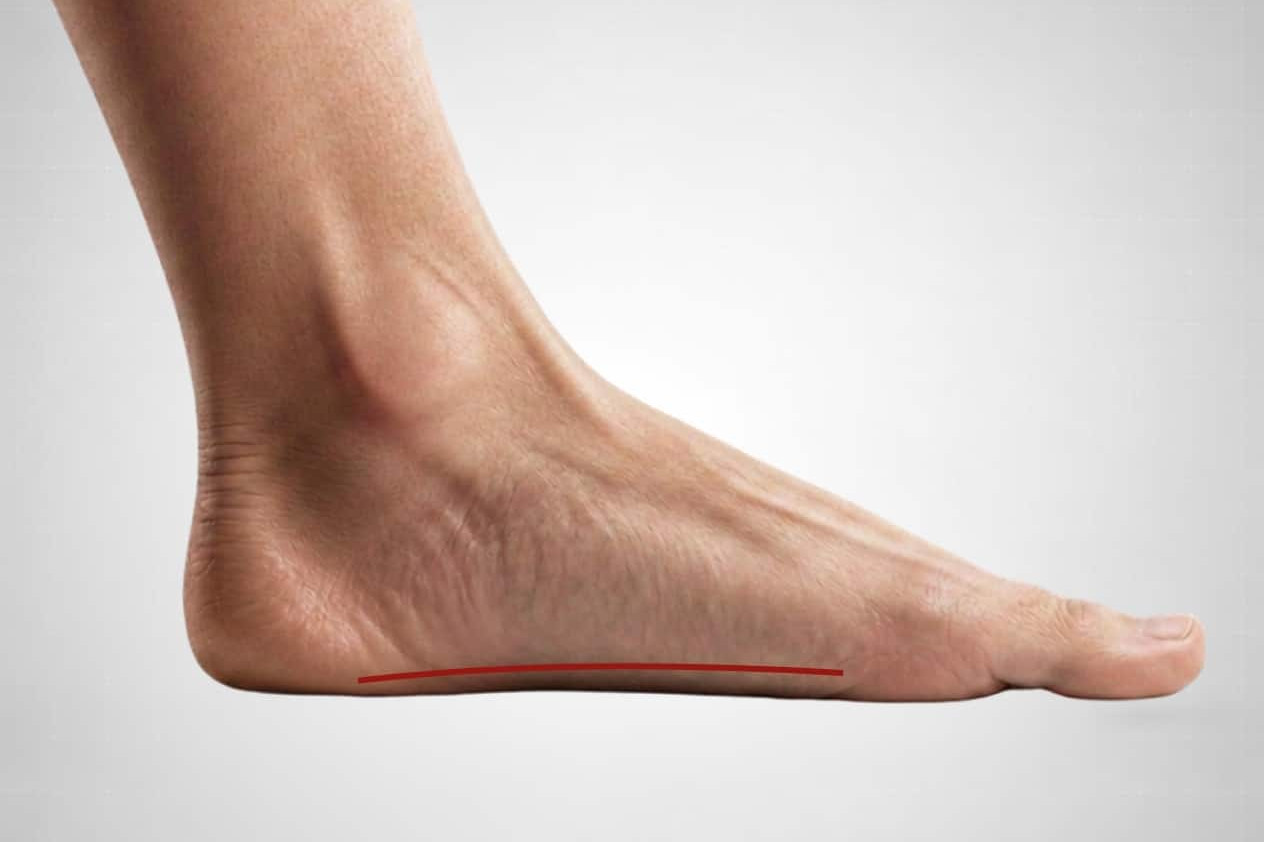
Flat tire
The arch of the foot is flattened. It rests almost entirely on the floor.
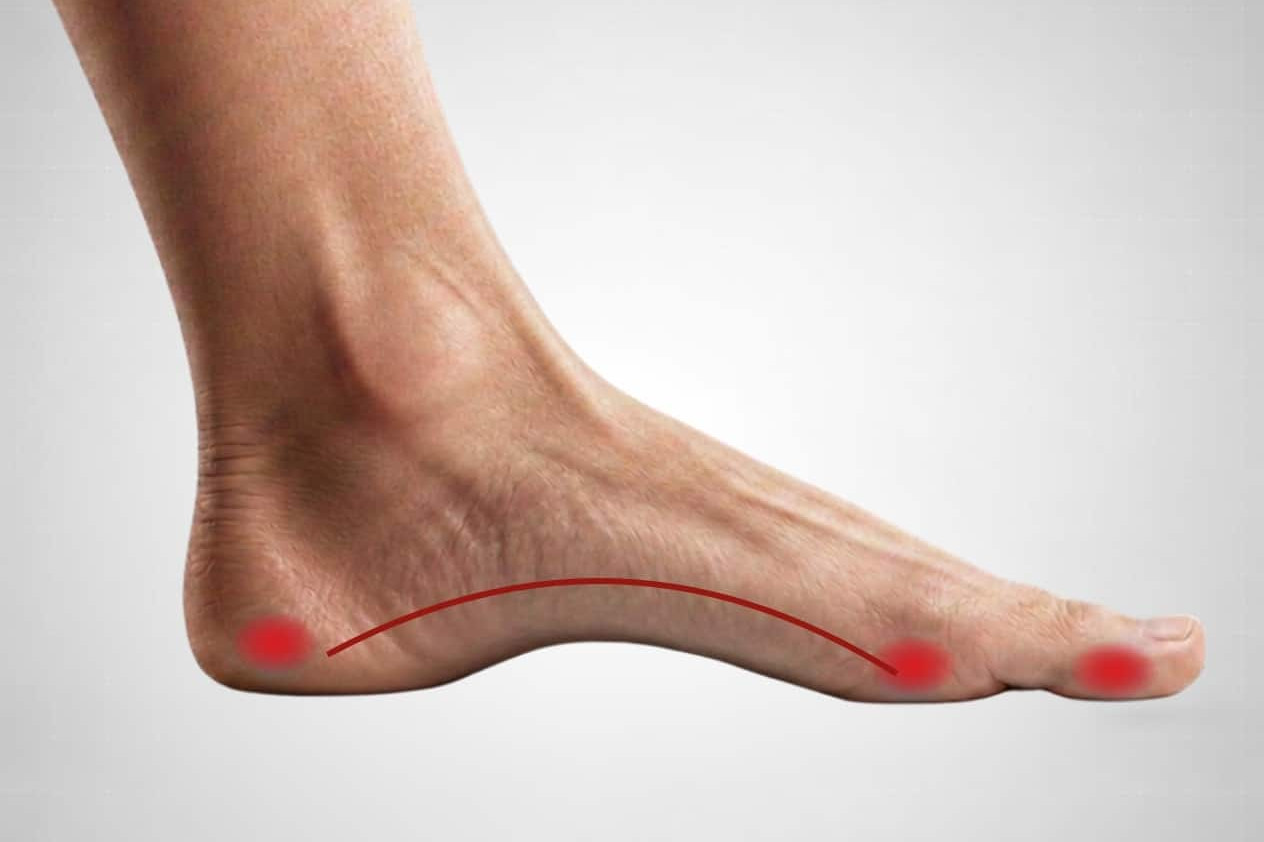
Hollow Foot
A high arch causes increased pressure peaks on the heel and forefoot.
Why does heel pain occur particularly often in the morning?
Many people who are affected are familiar with this common phenomenon:
The heel hurts especially badly right after getting out of bed. After a few steps, the pain eases.
What is start-up pain?
Start-up pain is often caused by an irritated plantar fascia.
During the night, the structure relaxes. When you first put weight on it, it is suddenly stressed and stretched again. This is exactly what causes the typical pain when taking your first steps.
Why do symptoms often subside later on?
Exercise improves blood flow to the tissues and gets them “moving.”
That is why many people with this condition initially feel better during the day, before their symptoms flare up again after prolonged exertion.
What factors increase the risk of heel pain?
Long periods of standing and walking
People who spend several hours a day walking on hard industrial floors put constant strain on their heels. The following groups are particularly affected:
- Production Worker
- Warehouse worker
- Logistics Employee
- Nurses
- Tradespeople
- Construction worker
Overweight
Every additional kilogram increases the strain on the feet. This also increases the stress on the plantar fascia and the heel bone.
Lack of exercise
Weak foot muscles are less able to compensate for stress.
Sports-Related Overuse
Runners and recreational athletes also frequently suffer from heel pain. The following factors, in particular, can contribute to this condition:
- high training volumes
- Improvements in Training
- inappropriate running shoes
- Inappropriate Footwear
Inappropriate or unsuitable
Shoes can exacerbate existing problems and contribute to improper weight distribution.
Safety Shoes That Pinch at the Heel: Common Causes
Heel caps that are too hard
The heel counter is designed to stabilize the rearfoot. If it is too hard or does not fit the individual shape of the foot, pressure points may develop.
Wrong Shoe Size
Many employees choose safety shoes that are too small or too narrow. This restricts the foot's natural movement.
Friction inside the shoe
If the heel slides up and down slightly with every step, pressure points and skin irritation can occur.
Incorrect Last Shape
Not every foot is the same. If the shoe's last doesn't match the individual's anatomy, pressure issues often arise after just a few hours. A professional foot measurement can help you find the right shoe shape and size.
Can safety shoes cause heel pain?
Yes, they can cause symptoms or make existing problems worse. This is especially true when:
- the shoes are too tight
- the fit is unsuitable
- there is limited space
- the heel constantly rubs
However, it is important to make this distinction:
In most cases, safety shoes are not the actual cause of the condition. However, wearing safety shoes can exacerbate existing strain.
What features should safety shoes have for heel pain?
People with sensitive feet, in particular, should consider more than just the safety rating when buying shoes.
Good fit
The shoe should provide stable support for the heel without causing pressure points.
Ample toe room
The toes need space to perform their natural stabilizing function.
Ergonomic running performance
An ergonomically designed safety shoe supports the foot's natural movement.
High-Quality Insoles
Comfort insoles or orthopedic insoles can help distribute pressure more evenly.
Breathable Materials
A comfortable foot environment reduces friction and increases comfort.
What helps with heel pain?
Treatment always depends on the cause.
Stretching the Calf Muscles
A tight calf often increases tension on the plantar fascia. Regular stretching exercises can help relieve this tension.
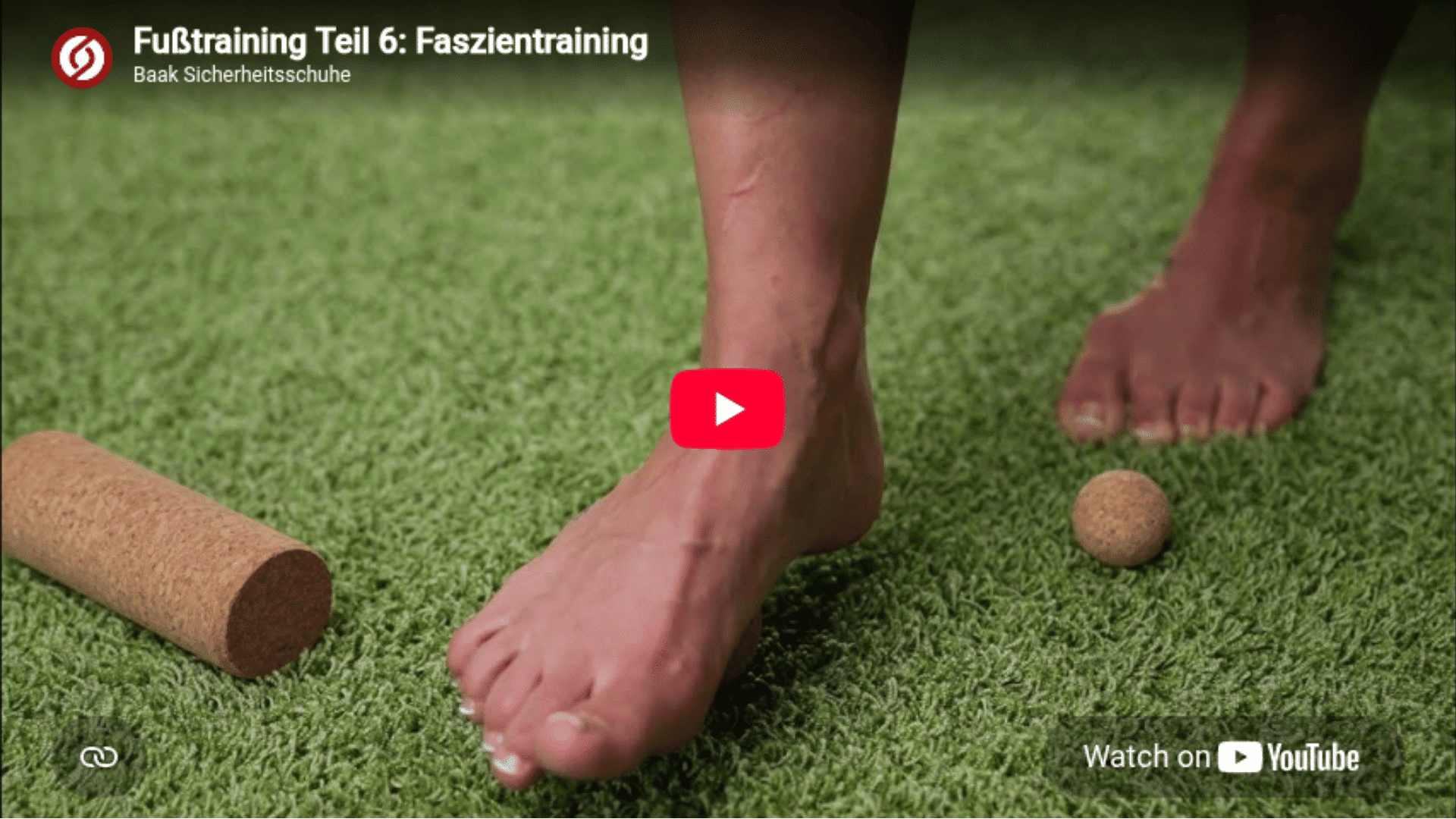
Mobilizing the Plantar Fascia
Many people find exercises using a fascia ball or tennis ball to be pleasant.
Strengthen the foot muscles
Some examples of suitable exercises are:
- Grab a towel
- Toe Spreaders
- Balance Training
- Barefoot Training
Physical Therapy
A physical therapist can analyze movement patterns and recommend personalized exercises.
Inserts
Depending on the cause, orthopedic insoles may be helpful.
When should you see a doctor for heel pain?
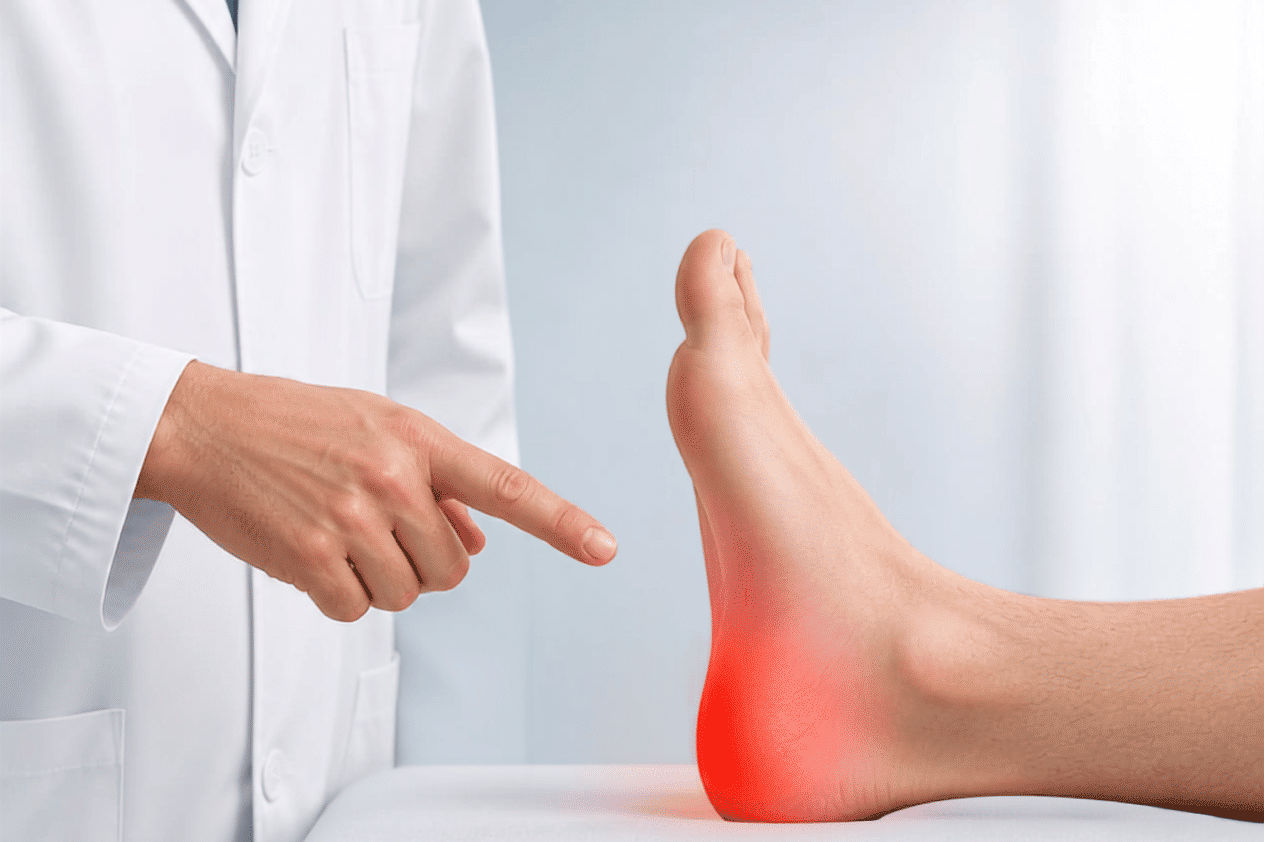
It is advisable to seek a medical evaluation at the latest when:
- the symptoms have persisted for more than a few weeks
- the pain gets worse
- Swelling may occur
- Walking is barely possible anymore
- the pain keeps coming back
The sooner the cause is identified, the easier it is to prevent the condition from becoming chronic.
Conclusion
Heel pain often doesn't start in the heel.
Heel pain is usually the result of long-term overuse or improper weight distribution. An irritated plantar fascia is often the underlying cause. However, heel spurs, Achilles tendon issues, foot misalignments, or ill-fitting safety shoes can also cause discomfort. Especially for people who spend many hours a day in safety shoes, it’s worth taking a close look at fit, ergonomics, and shoe selection.
Other guide topics that might interest you:

Frequently Asked Questions
Frequently Asked Questions
The most common Causes are plantar fasciitis, heel spurs, Achilles tendon issues, bursitis and foot deformities.
Morning Stiffness upon waking are common a Note to a irritated plantar fascia. In the case of first episode it she after the night's rest again burdened.
Yes. Above above all then, when the fit isn't right or pressure marks and friction occur.
Typical Causes include to hard heel caps, unsuitable last shapes, incorrect sizes or Movements of the heel in shoe.
The more Depending on cause may stretching exercises, physical therapy, Strengthening exercises, Insoles or a suitable shoe concept help.
Important are one good fit, sufficient Toe room, ergonomic range of motion and the ability to use orthopedic insoles. There are also safety shoes that are specially padded in the heel area.
Safety shoes withPORON® foam also offer excellent sealing and cushioning properties.
No. The heel spur is a bony exostosis on the calcaneus. The plantar fasciitis refers to a irritation or inflammation of the plantar fascia. You can find more information on this topic in the corresponding article in our Baak Guide.
Image credit: Images were generated using AI | Baak GmbH & Co. KG