

Heel Spur or Plantar Fasciitis? Here Are the Differences.
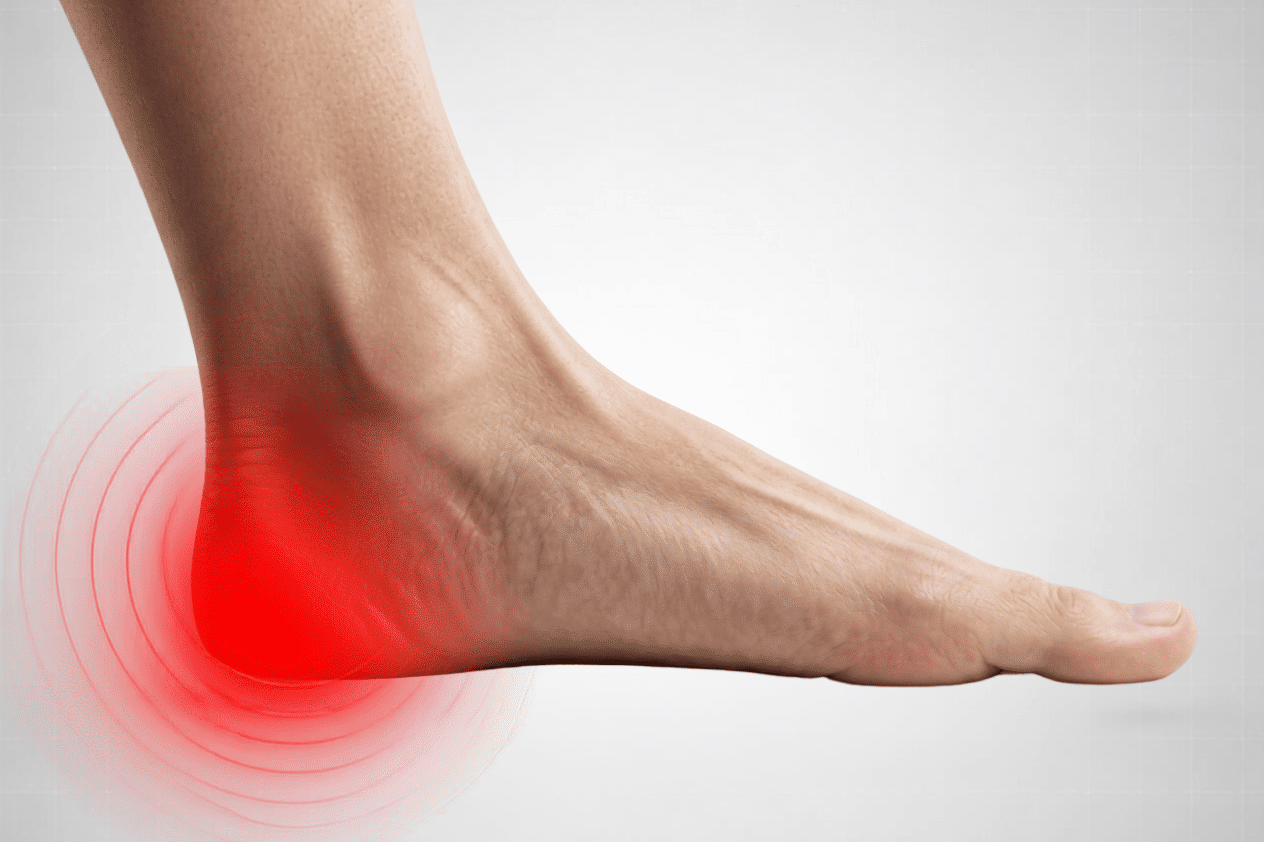
A sharp pain under the heel when standing up, after long periods of rest, or after a long day at work: Many people are quick to assume it’s a heel spur. In reality, however, there’s often another cause behind the pain. In this article, we explain the differences between heel spurs and plantar fasciitis, how the pain develops, and what role footwear can play.
What is a heel spur?
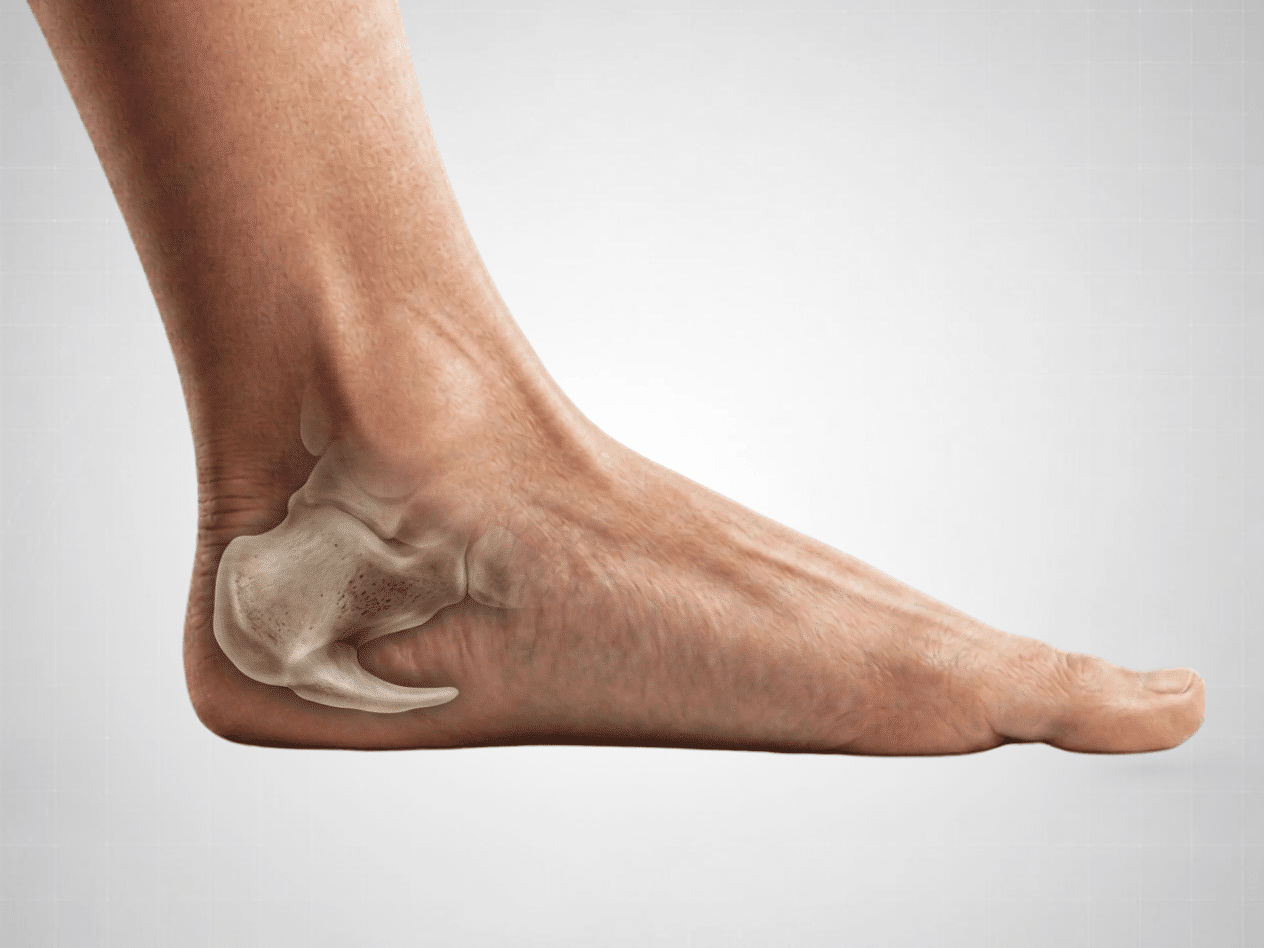
A heel spur is a bony growth on the heel bone. It usually develops at the point where the plantar fascia—a strong band of tissue that extends from the heel to the toes—attaches to the bone.
The spur itself is often only a few millimeters in size and is frequently discovered by chance on an X-ray. Many people have a heel spur without ever experiencing any symptoms.
The most important finding: It is not necessarily the heel spur that causes pain. Often, irritation or inflammation of the surrounding tissue is the actual cause.
What is plantar fasciitis?
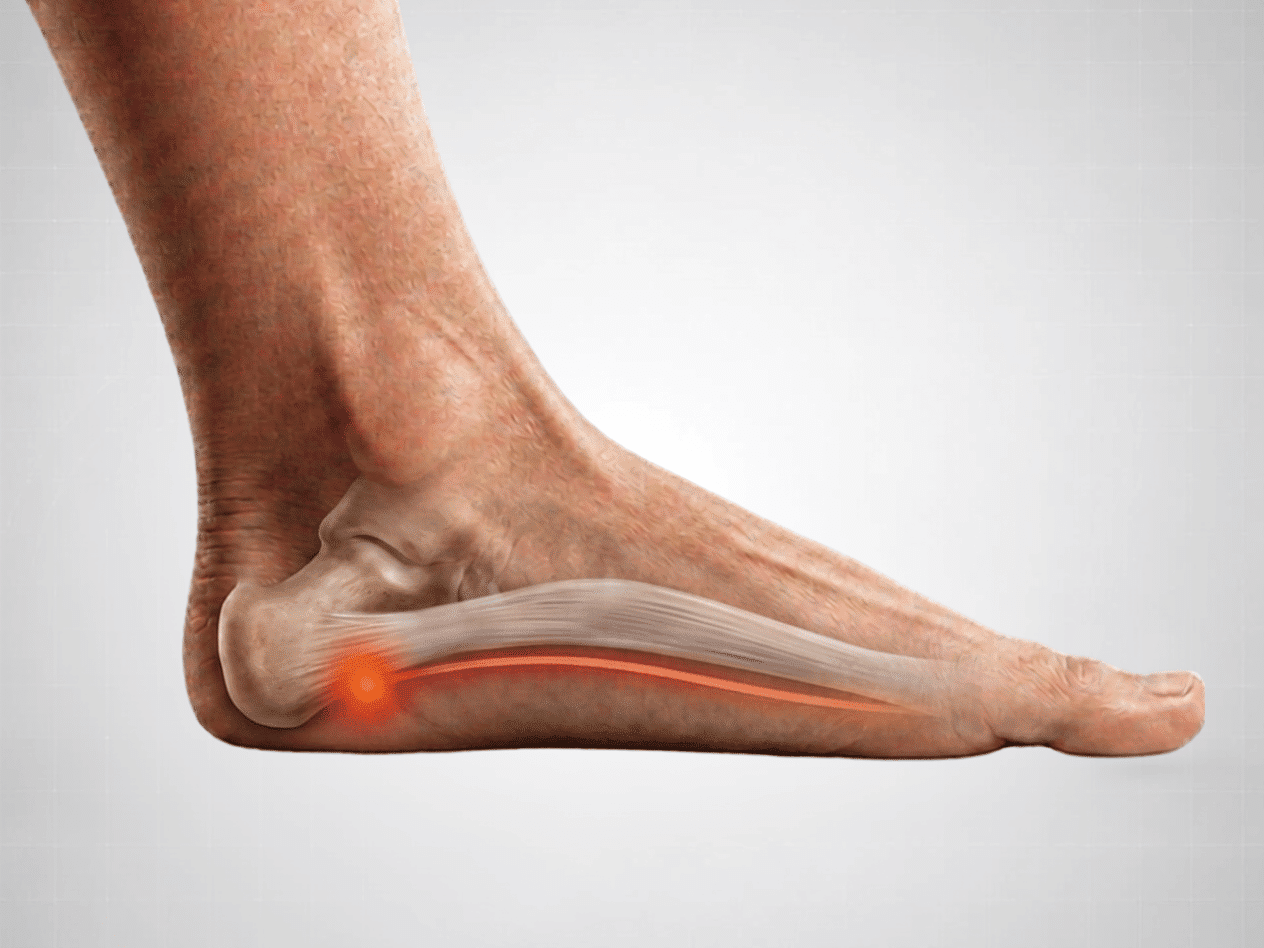
The plantar fascia supports the arch of the foot and plays an important role in walking, running, and standing.
If it is overused over an extended period of time, tiny microtears can develop. These lead to painful irritation or inflammation of the fascia, which is known as plantar fasciitis .
Typical symptoms include:
- Sharp pain under the heel
- Discomfort when taking the first steps in the morning
- Pain after sitting or standing for a long time
- Pressure sensitivity in the heel area
- Discomfort during prolonged walking or running
In many cases, a heel spur develops later on as well. For this reason, the two conditions often occur together, but they are not the same.
What causes a heel spur or plantar fasciitis?
Symptoms usually do not develop overnight, but rather over months or years. Often, there is chronic strain on the plantar fascia. Possible causes include:
Excessive strain
- Long periods of walking and standing
- Working on Hard Surfaces
- Intense physical activity
Impaired foot function
- Weak foot muscles
- Tight calf muscles
- Limited mobility
Foot Malpositions
- Drop-foot
- Flat tire
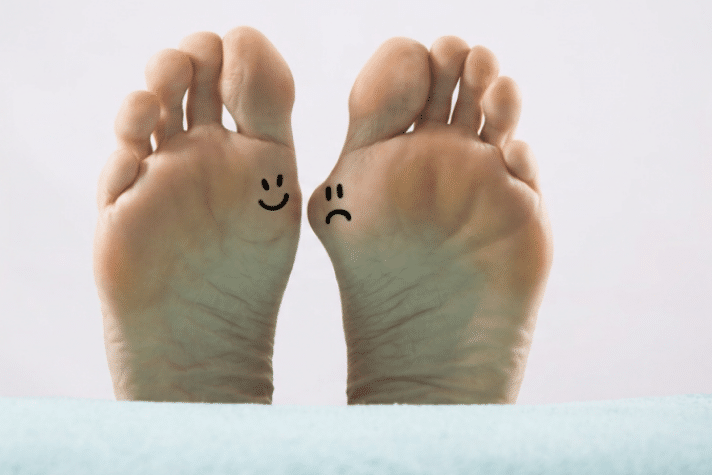
- Hollow Foot
Inappropriate Footwear
Shoes that are too tight or shoe designs that severely restrict the foot's natural function can increase the strain on the foot.
Overweight
With every step, significant forces act on the plantar fascia. Excess body weight can further increase this strain.
Who is particularly affected?
In principle, anyone can be affected. However, symptoms occur particularly frequently in the following groups of people:
- People between the ages of 40 and 60
- People with sedentary or active jobs
- Tradespeople
- Employees in Logistics and Industry
- Nurses
- Runners and physically active people
- People who are overweight
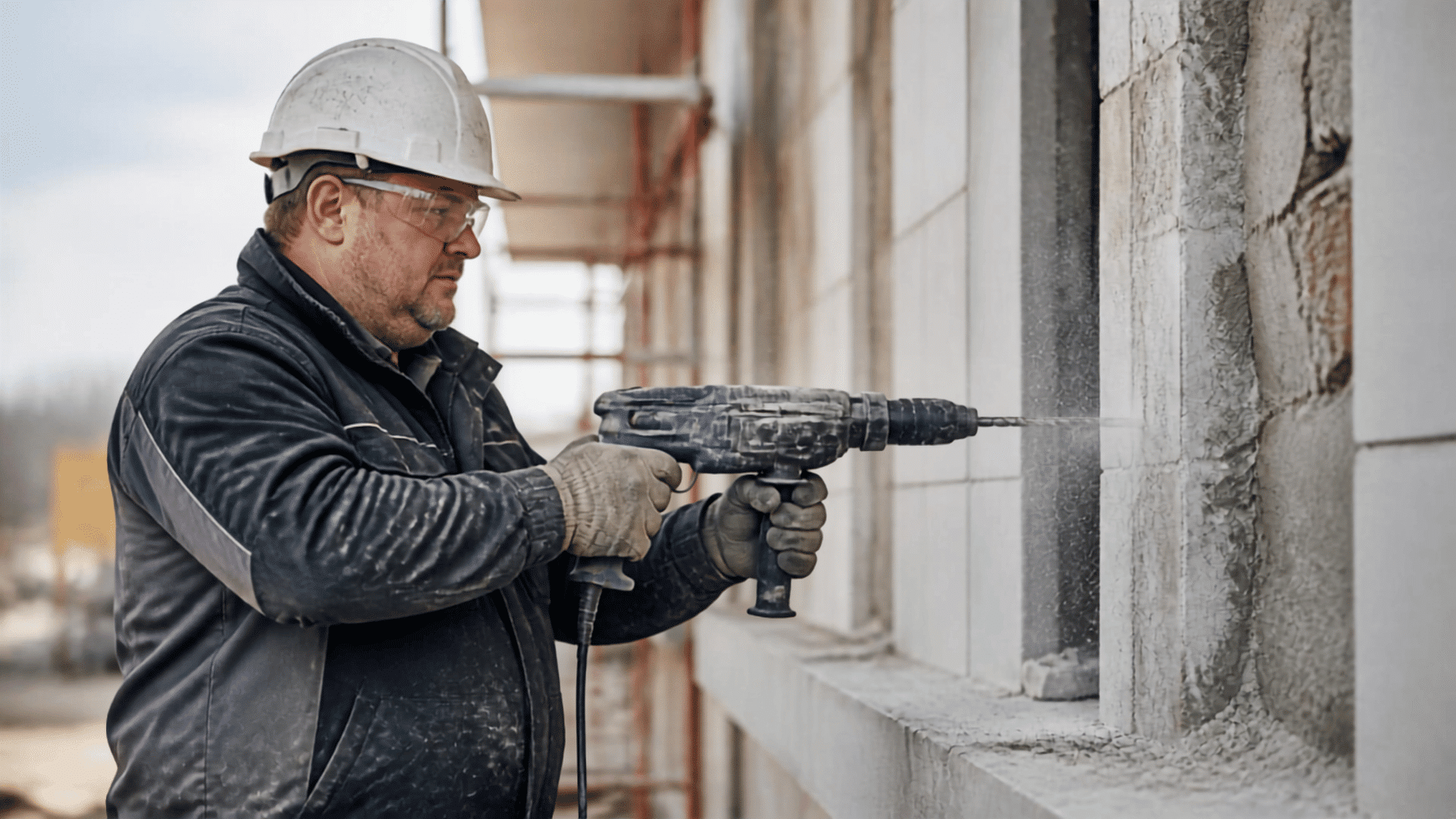
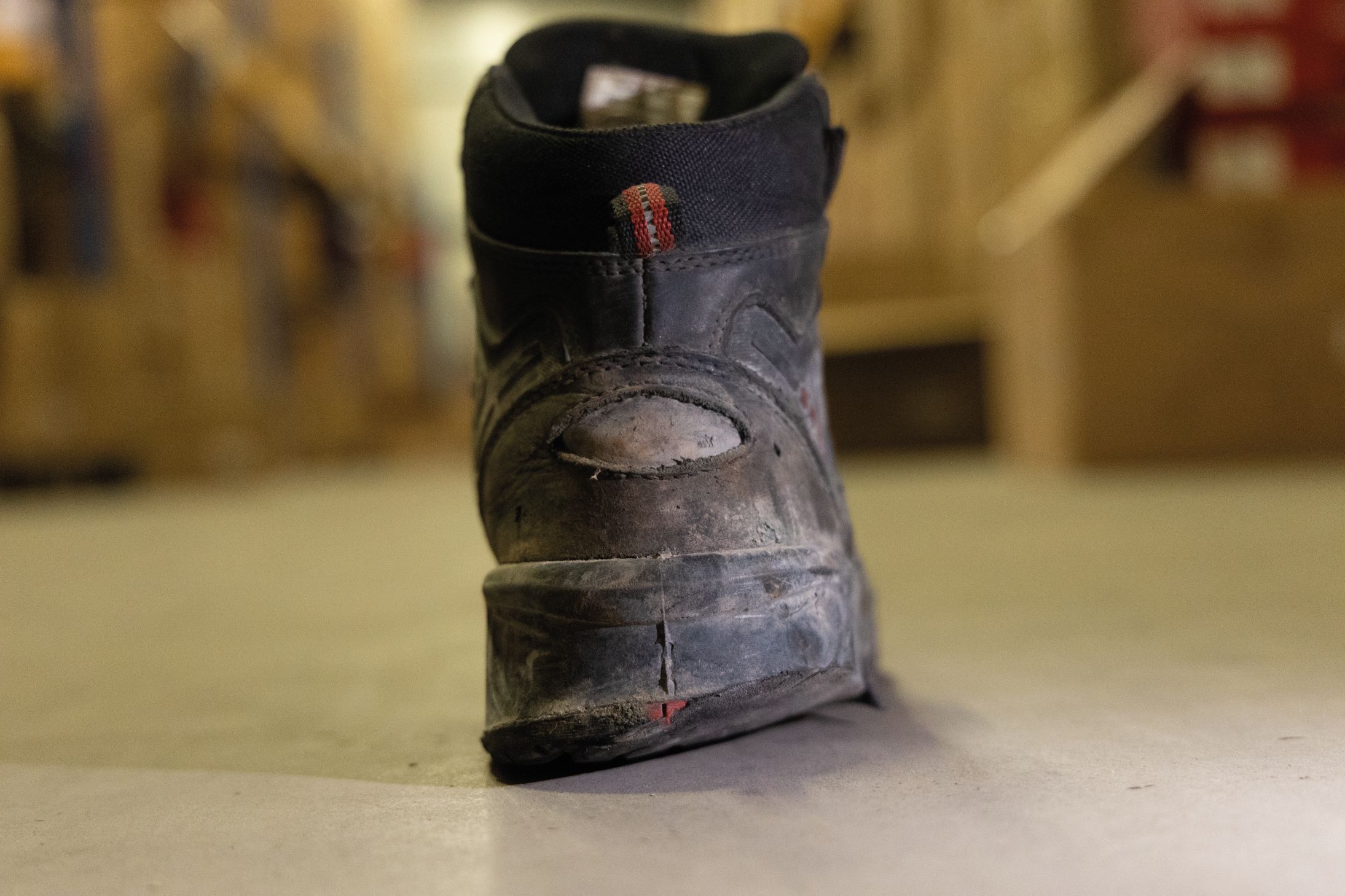
Employees who spend many hours wearing safety shoes or work boots, in particular, often report heel pain.
Can a heel spur be treated?
Yes. The good news is that in most cases, the symptoms can be treated conservatively. Surgery is rarely necessary.
It is important not only to treat the symptoms, but also to identify and reduce potential causes.
Since pain is often caused by irritation of the plantar fascia rather than by the bone spur itself, the primary focus is on relieving pressure on the tissue and promoting its healing.
What treatment options are available?
1. Stretching Exercises
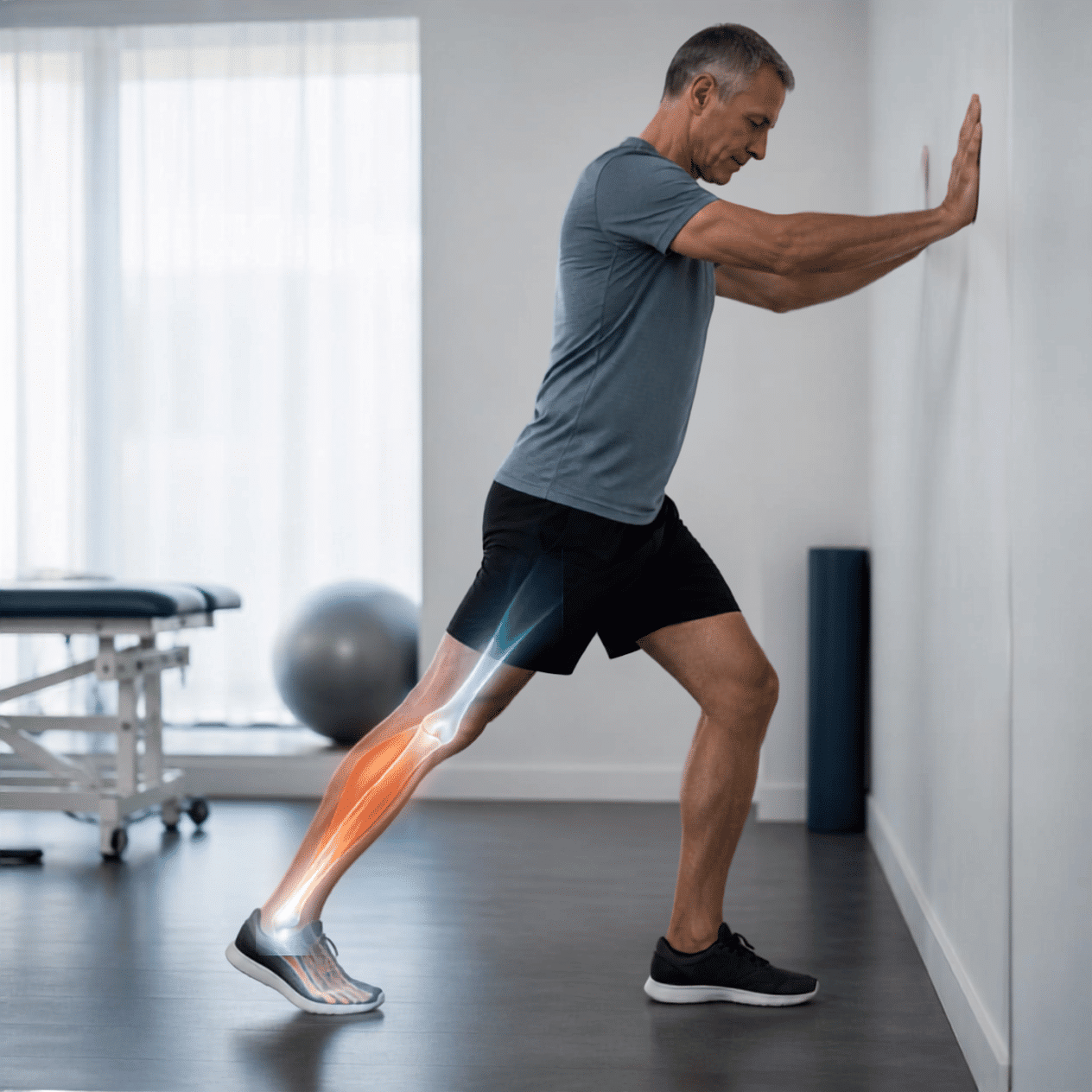
The plantar fascia and the calf muscles are closely related in terms of function.
Regular stretching exercises can help:
- to reduce tension on the plantar fascia
- to improve mobility
- To relieve symptoms
2. Strengthening Exercises
Strong foot muscles support the arch of the foot and can reduce the strain on the plantar fascia.
Some examples of suitable exercises are:
- Toe Grips
- Arch Support Exercises
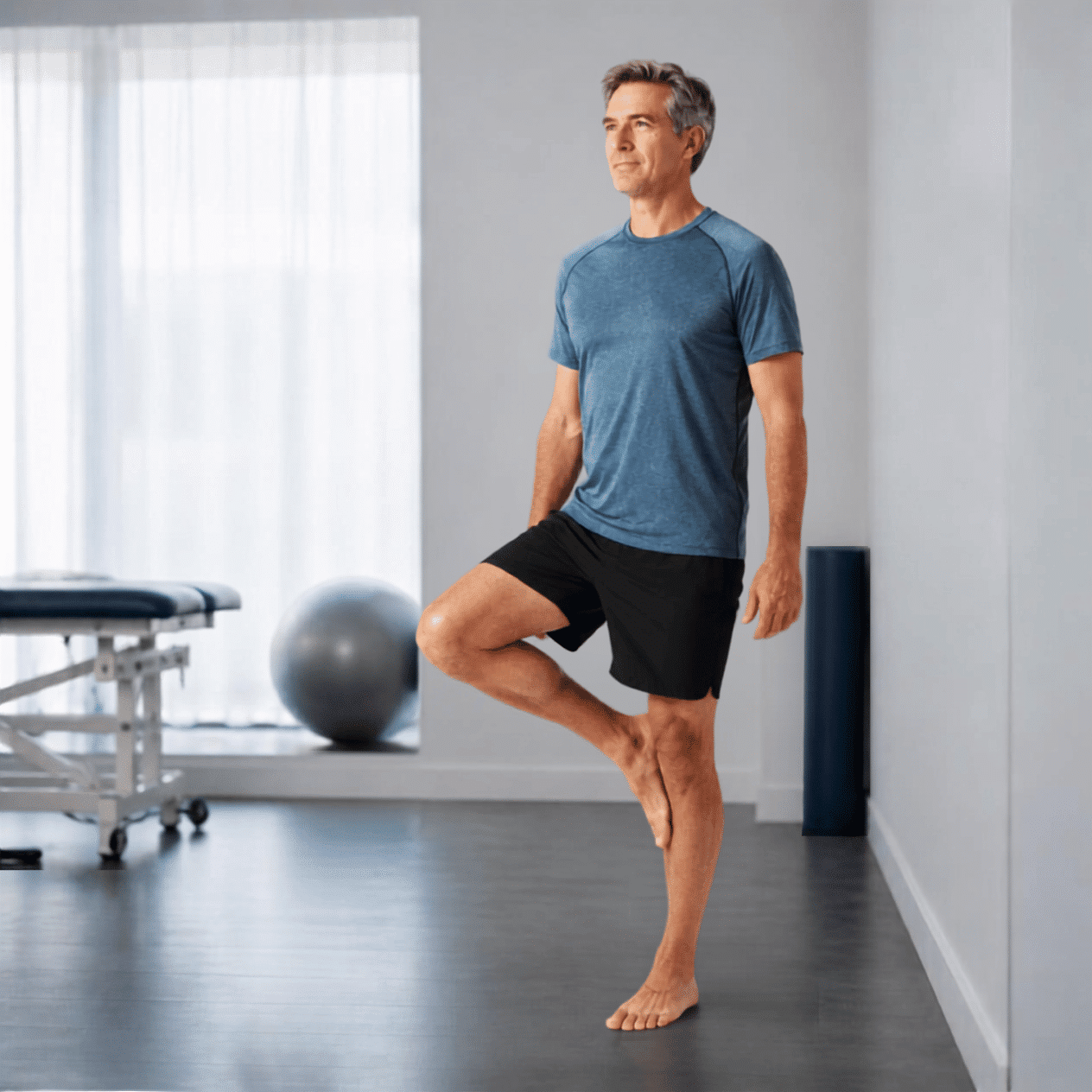
- Balance Exercises
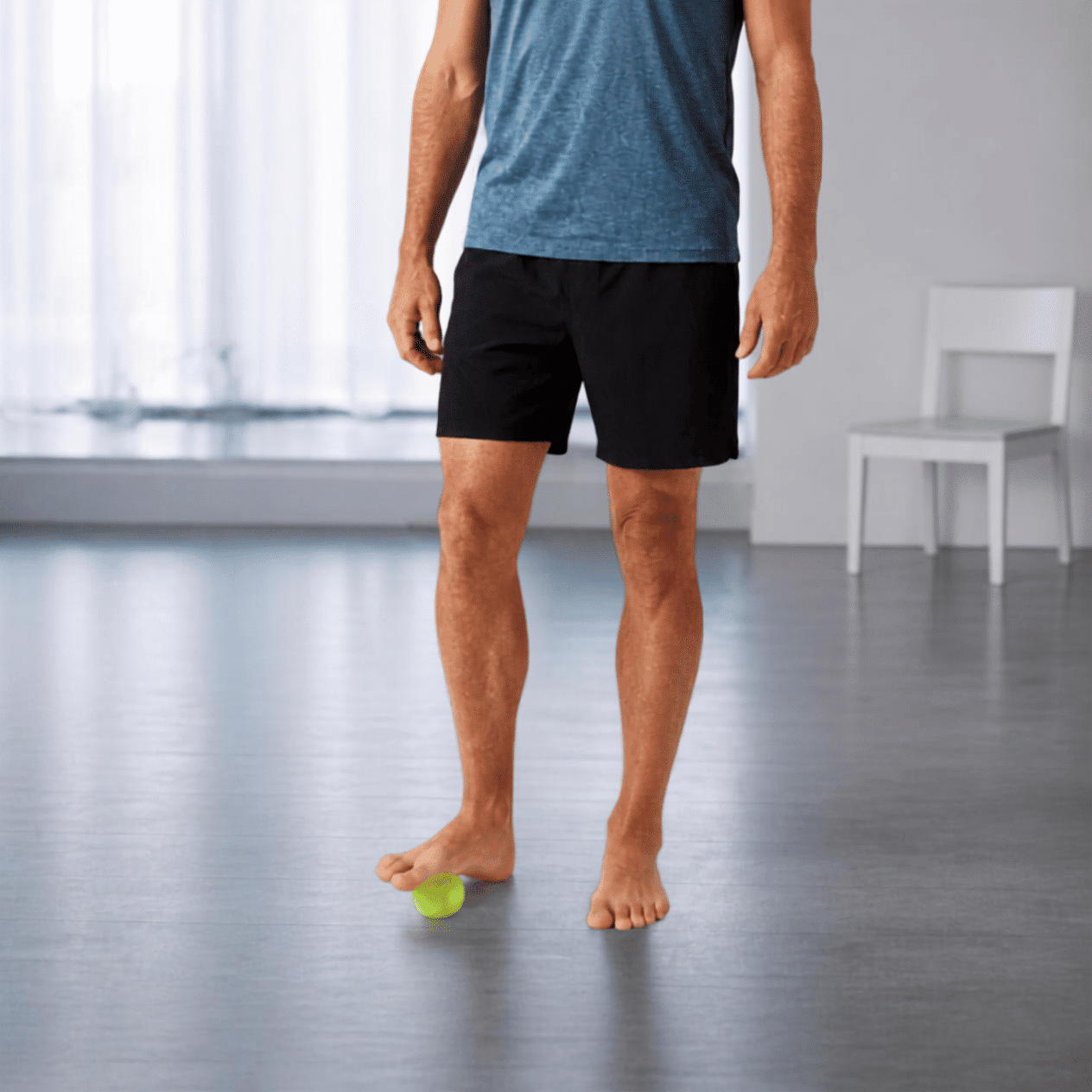
3. Fascia Mobilization
Many people find it pleasant to roll the sole of their foot over a fascia ball or tennis ball. This can help improve the tissue's flexibility.
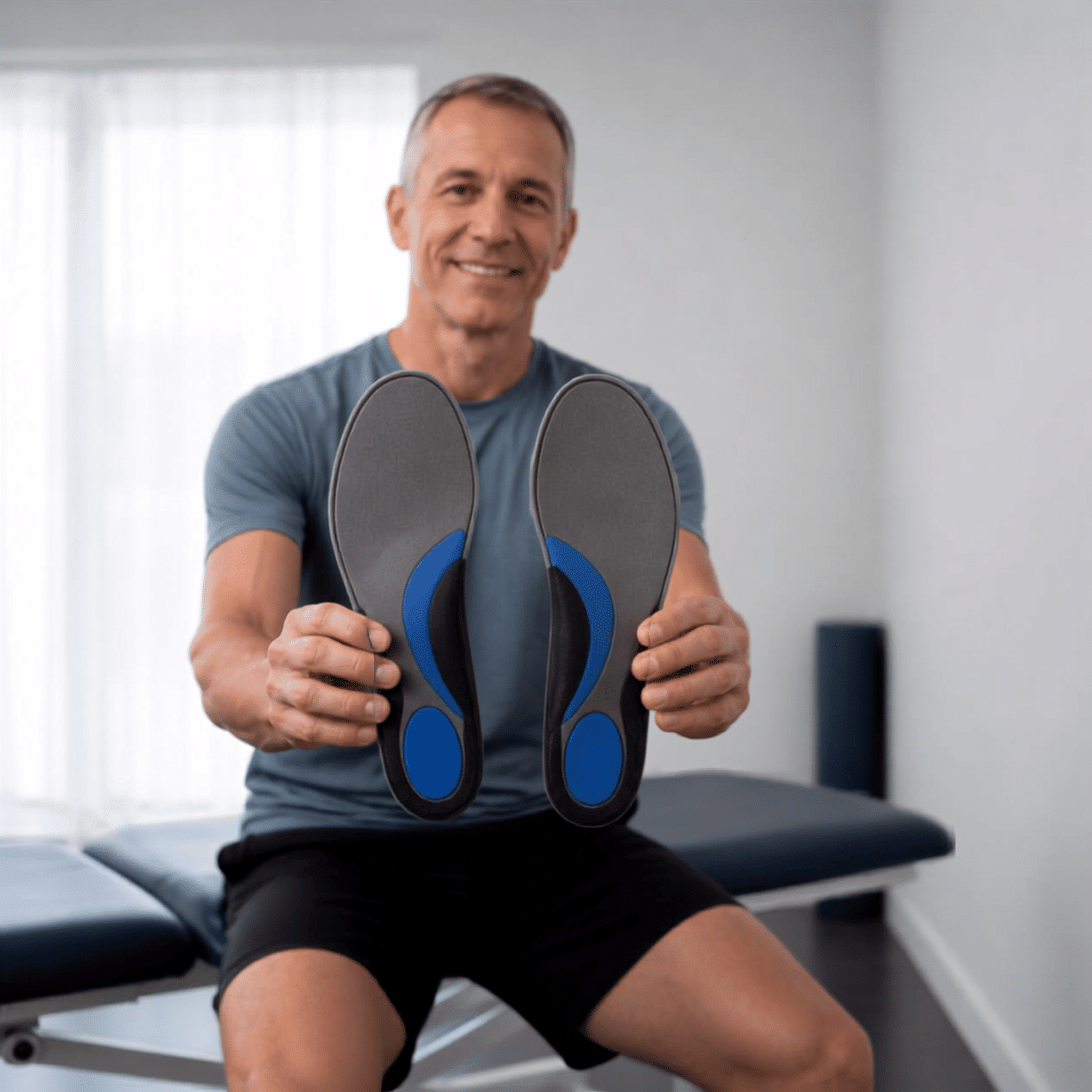
4. Deposits
Depending on the cause, orthopedic insoles may be helpful in distributing the load in a targeted manner.
5. Physical Therapy
Physical therapy can identify individual cases of improper body weight distribution and treat them in a targeted manner.

6. Weight Loss
Even moderate weight loss can significantly reduce the strain on the plantar fascia.
7. Operational Measures
Surgery may be appropriate only if conservative treatments have not been successful over an extended period of time.
What role do shoes play?
Footwear alone is rarely the cause of all foot problems, but it can have a significant impact on the stress placed on the foot.
A suitable shoe design should:
- provide enough room for the toes
- support the foot's natural function
- Enable freedom of movement
- Reduce Pressure Peaks
- adapt to each person's individual foot situation
It is especially important not to constrict the foot unnecessarily.
What kinds of safety shoes are available?
For many employees, the question arises: How can foot health and workplace safety be reconciled?
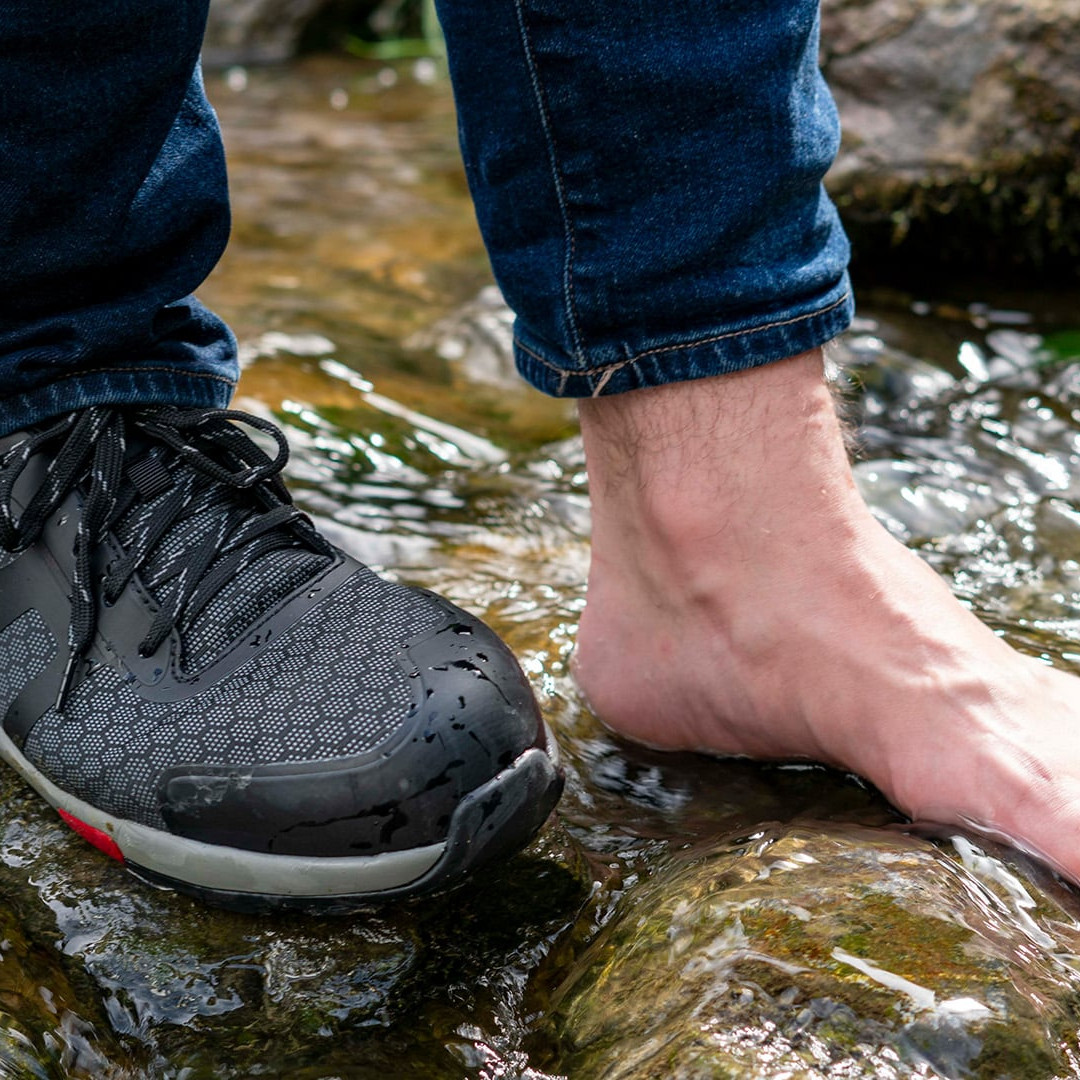
After all, safety shoes must provide protection while also being worn for many hours at a time. Ergonomic safety shoes therefore take a different approach than traditional work shoes.
multi-width system
In addition to the arch support, the toe cap and sole are also wider. This gives the foot the space it needs to better perform its natural stabilizing function.
Padded heel area
High-quality cushioning materials such as PORON® distribute pressure more evenly and help ensure a comfortable walking experience, even during long periods of standing or walking.
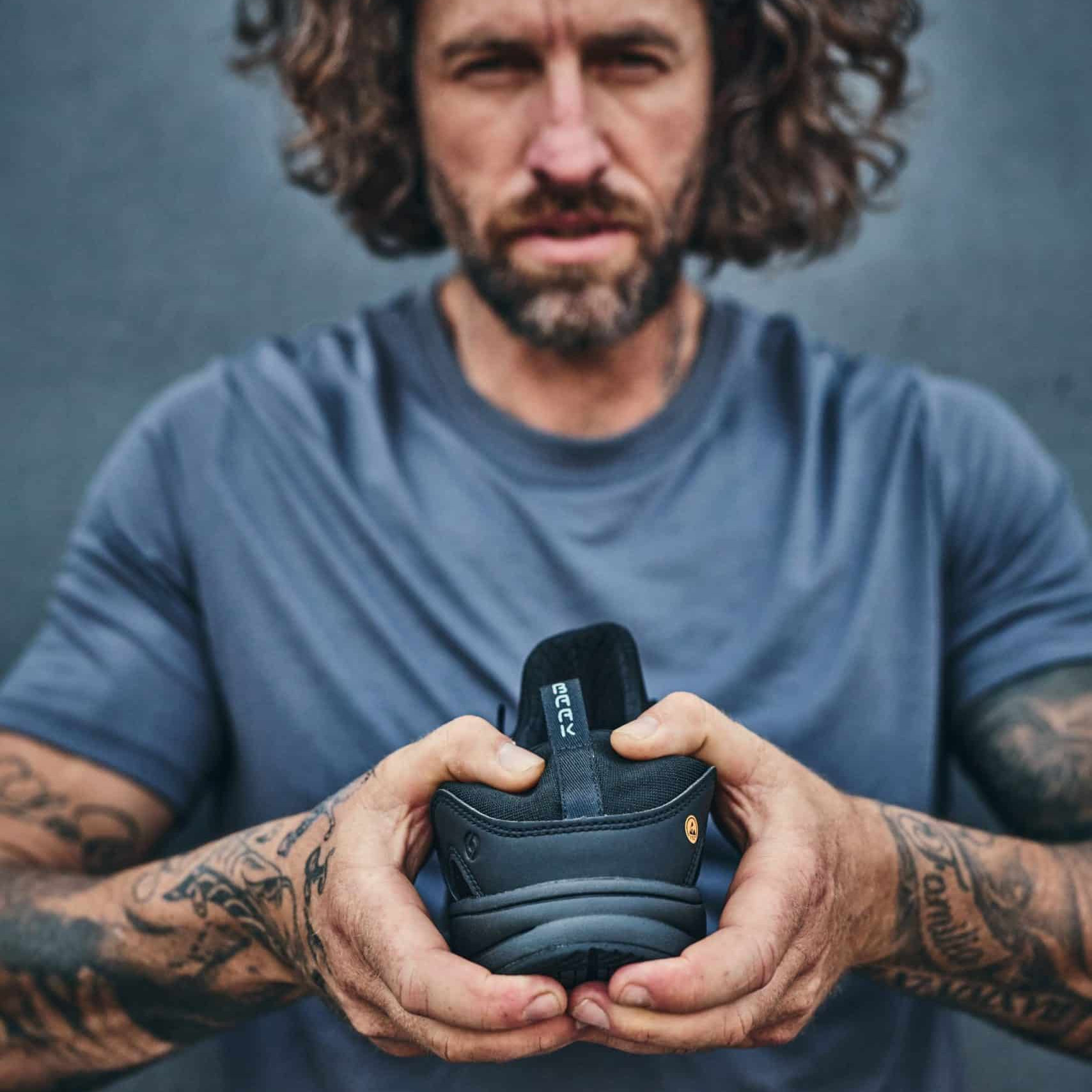
Low blast width
The difference in height between the heel and the forefoot is reduced, which helps promote a more natural posture. This so-called “zero-drop” sole is available exclusively in Baak barefoot safety shoes.
Conclusion
Heel spurs and plantar fasciitis are not the same thing
Heel spurs and plantar fasciitis are often mentioned in the same breath, but they are not the same thing. While a heel spur is a bony growth, the symptoms are often caused by irritation of the plantar fascia.
A combination of movement, stretching and strengthening exercises, individualized treatment, and an appropriate footwear solution can help reduce strain and support the foot’s natural function. For people who wear safety shoes every day, in particular, it’s therefore worth looking into ergonomic and foot-friendly safety solutions.

Frequently Asked Questions
Frequently Asked Questions
A heel spur is a bony growth on the heel bone. Plantar fasciitis, on the other hand, refers to irritation or inflammation of the plantar fascia—the strong band of tissue on the sole of the foot. Both conditions often occur together, but they are not the same thing.
No. Many people have heel spurs without ever experiencing any symptoms. The pain is often not caused by the bone spur itself, but by an irritated plantar fascia or inflamed tissue in the heel area. You can find more information about heel pain in this article.
The more Depending on cause may stretching exercises, physical therapy, Strengthening exercises, Insoles or a suitable shoe concept help.
Typical symptoms include a sharp pain under the heel, especially when taking the first steps in the morning or after prolonged periods of rest. The pain often subsides after a few minutes of movement.
A heel spur usually develops over a long period of time due to repeated tensile stress at the point where the plantar fascia attaches. The body responds by forming bone growth on the heel bone.
Yes. Many people suffer from plantar fasciitis even though no heel spur is visible on an X-ray. Conversely, a heel spur may be present without causing any symptoms.
People who spend long periods standing or walking, are overweight, have foot deformities, or engage in high-intensity athletic activities are particularly at risk. Workers in the manufacturing, logistics, skilled trades, and healthcare sectors are also among the high-risk groups.
That depends on the cause and the current symptoms. While some people benefit from increased activation of the foot muscles, acute symptoms should be assessed on a case-by-case basis and evaluated by a doctor. Professional consultation is also recommended in cases of severe pain.
Safety shoes that reduce pressure points, provide sufficient room for the toes, and fit well are suitable. Soft heel padding and the option to use orthopedic insoles can also be helpful.
Safety shoes that don't fit properly can lead to pressure points and improper weight distribution. Models with a good fit, sufficient toe room, ergonomic walking comfort, and appropriate heel padding can significantly improve comfort.
Yes. In most cases, heel spurs and plantar fasciitis can be successfully treated with conservative measures, such as stretching exercises, physical therapy, orthotics, shock wave therapy, or proper footwear.
Image credit: Images were generated by AI | Baak GmbH & Co. KG