

Lightweight Safety Shoes for Women: Comfort and Protection for Everyday Work
Anyone who spends many hours on their feet every day knows how important the right footwear is. Lightweight safety shoes for women combine reliable foot protection with comfort. Whether in a warehouse, on the production floor, in a trade, or in logistics, the right pair relieves pressure on your feet and helps you work comfortably—even on long workdays.
But what should you look for when choosing safety shoes, and what features should women's safety shoes have?
Why are lightweight safety shoes for women so important?
Heavy, ill-fitting safety shoes can significantly reduce comfort during the workday. The risk of accidents also increases when, for example, early fatigue causes one’s gait to become less stable.
Lightweight safety shoes, on the other hand, reduce the weight on the foot and can therefore make walking and standing more comfortable and improve gait stability.
However, weight alone is not the only deciding factor. A flexible outsole, breathable materials, good cushioning, and a proper fit also contribute to comfort. At the same time, the shoes must meet the necessary safety requirements for the respective workplace.
Our tip: When buying, don’t just look for the lightest possible weight—also make sure the safety class is appropriate and the fit is just right. Generally, the higher the safety class, the heavier the safety shoes are.
Which women's safety shoes are particularly comfortable?
The most comfortable safety shoes are the ones that fit your feet and suit your work environment. The following features are especially important:
- Lightweight shoes: Makes the shoes more comfortable to wear during long walks and frequent walking.
- Good fit: Prevents the foot from sliding around in the shoe or causing uncomfortable pressure points.
- Breathable upper material: Helps keep your feet comfortable.
- Cushioned outsole: Can reduce the impact of walking on hard surfaces.
- Appropriate protection: Depending on the application, features such as toe caps, puncture resistance, or slip-resistant properties may be required.
The specific equipment that is appropriate depends on the hazards in the workplace. The protection class must therefore always be selected with the operational requirements in mind.

Why Women's Feet Have Special Needs
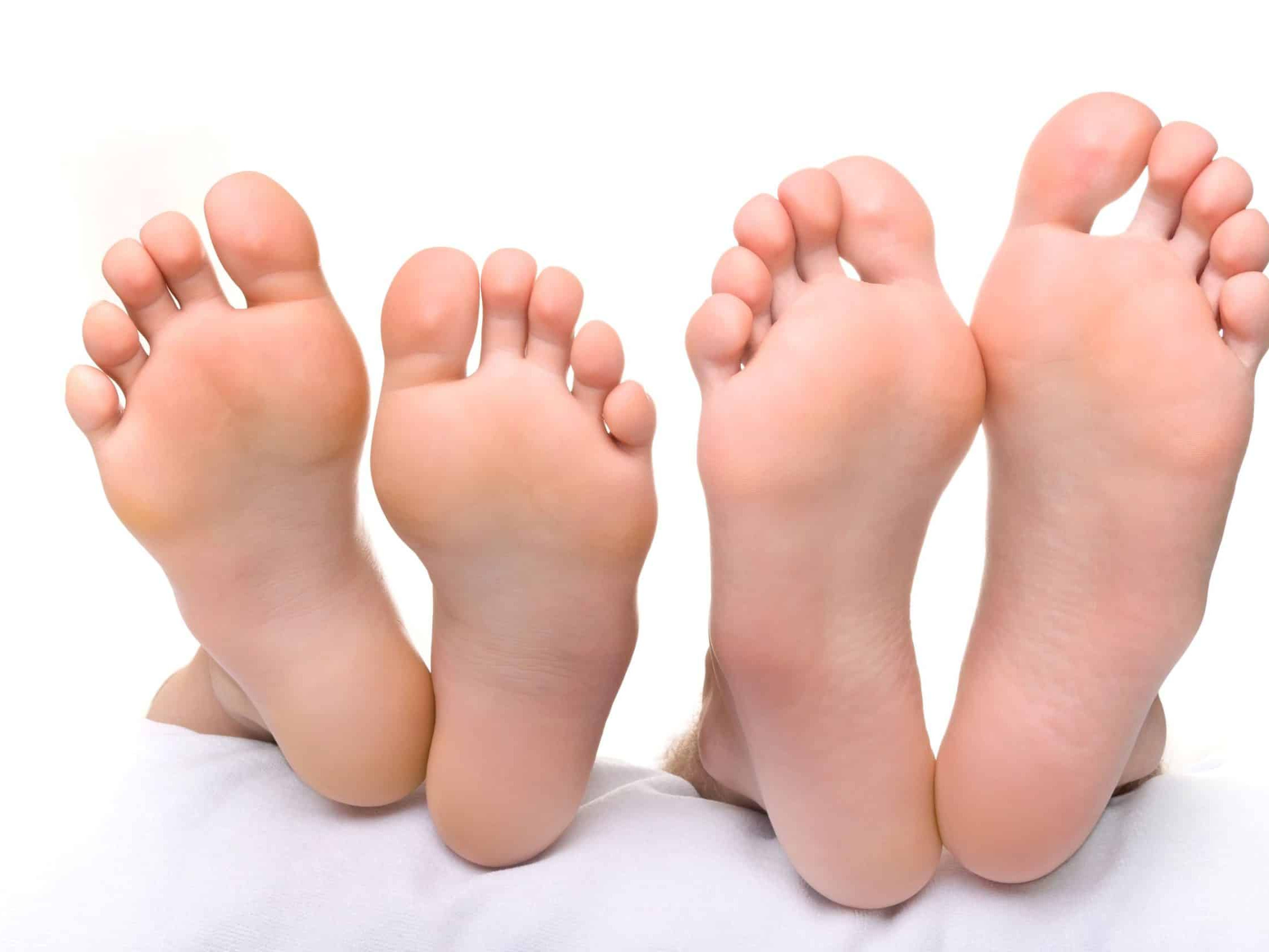
On average, women’s feet differ in proportion from men’s feet. For example, the heel and forefoot are often narrower in relation to the length of the foot. Safety shoes designed specifically for women can better accommodate these differences.
However, that doesn't mean that every woman's foot is narrow. What matters most are always the individual foot measurements and the actual fit.
Learn more: In our guide to the anatomical differences between women’s and men’s feet, you’ll find out what to look for when choosing the right work shoes.
How to Find the Right Fit
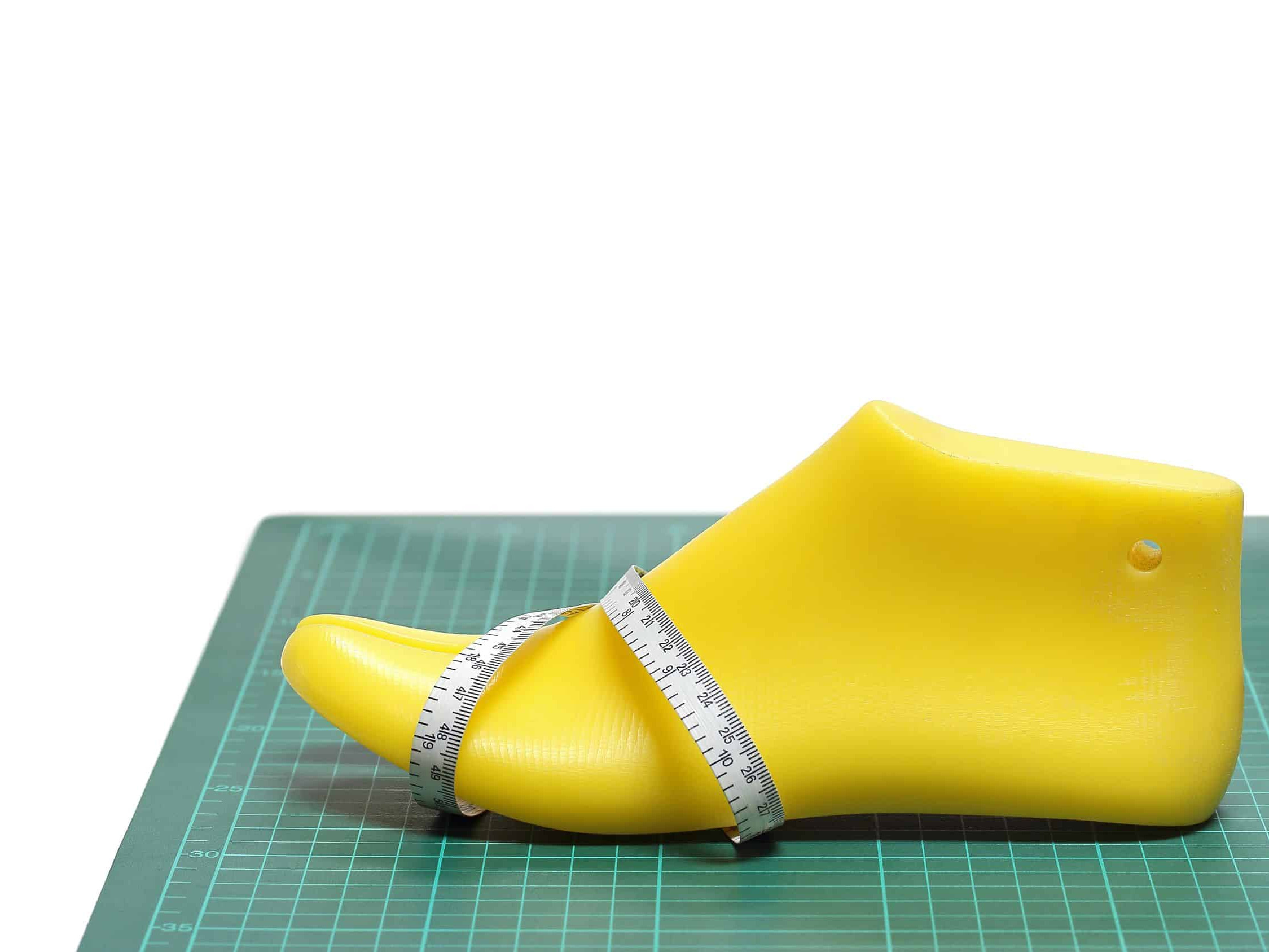
Even an exceptionally lightweight safety shoe isn't a good choice if it pinches or doesn't provide enough support. Make sure your toes have enough room to move and that your heel fits securely in the shoe. If possible, try on the shoes with the socks you'll actually wear at work.
Our fit guide for safety shoes will help you consider the most important factors when making your selection.
Conclusion
How to Choose Lightweight Safety Shoes for Women
Lightweight safety shoes for women are a great choice for anyone who needs protection and comfort at work. In addition to weight, be sure to look for a good fit, comfortable cushioning, breathable materials, and the necessary safety features.
Here's how to find a pair that suits your feet, your daily work routine, and the demands of your workplace.
Other guide topics that might interest you:



Frequently Asked Questions
Frequently Asked Questions
Safety shoes that combine light weight with good cushioning, breathable materials, and a comfortable fit are particularly comfortable. It is crucial that the shoe neither pinches nor slips at the heel and provides sufficient toe room.
Pay attention to the weight of the shoes, the fit, comfort, and the required safety rating. Depending on the workplace, features such as toe protection, puncture resistance, and slip-resistant properties may be necessary. The footwear should always be appropriate for the hazards present in the workplace.
On average, women’s feet differ in proportion from men’s feet. Shoes with a specially tailored fit can, for example, provide better support in the heel and forefoot areas. However, it is important to take individual foot measurements into account, as every foot is different.
Yes, lightweight safety shoes can be especially comfortable during long workdays. In addition to weight, good cushioning, a comfortable foot environment, and a secure fit play an important role. Anyone who stands or walks a lot should choose shoes based primarily on their individual needs and the safety requirements of their workplace.